



Reviewed by Dr Ameen, ENT Specialist, Kuala Lumpur
PART 1: What Is Ear Infection and Hearing Loss? (Definition)
Ear infections and hearing loss are two of the most common reasons patients walk into my ENT clinic in Kuala Lumpur. Yet, they are also among the most misunderstood. Many people assume ear pain is “just an infection,” while others ignore gradual hearing loss, thinking it is part of ageing. Both assumptions can be costly.
So, what exactly are ear infections and hearing loss? And why do they matter more than you think?

Understanding Ear Infections
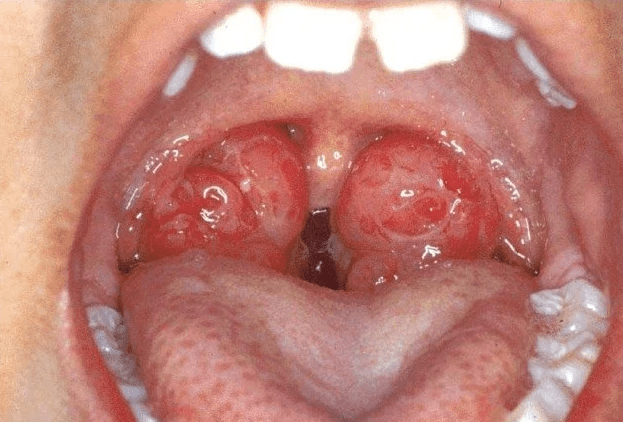
An ear infection occurs when bacteria, viruses, or fungi infect parts of the ear. Most infections involve the middle ear, the air-filled space behind the eardrum. This is called otitis media. It is especially common in children, but adults are not spared.
In Kuala Lumpur’s humid climate, outer ear infections are also frequent. This condition, known as otitis externa, often follows swimming, excessive ear cleaning, or moisture trapped in the ear canal. Think of it as a “skin infection” of the ear canal.
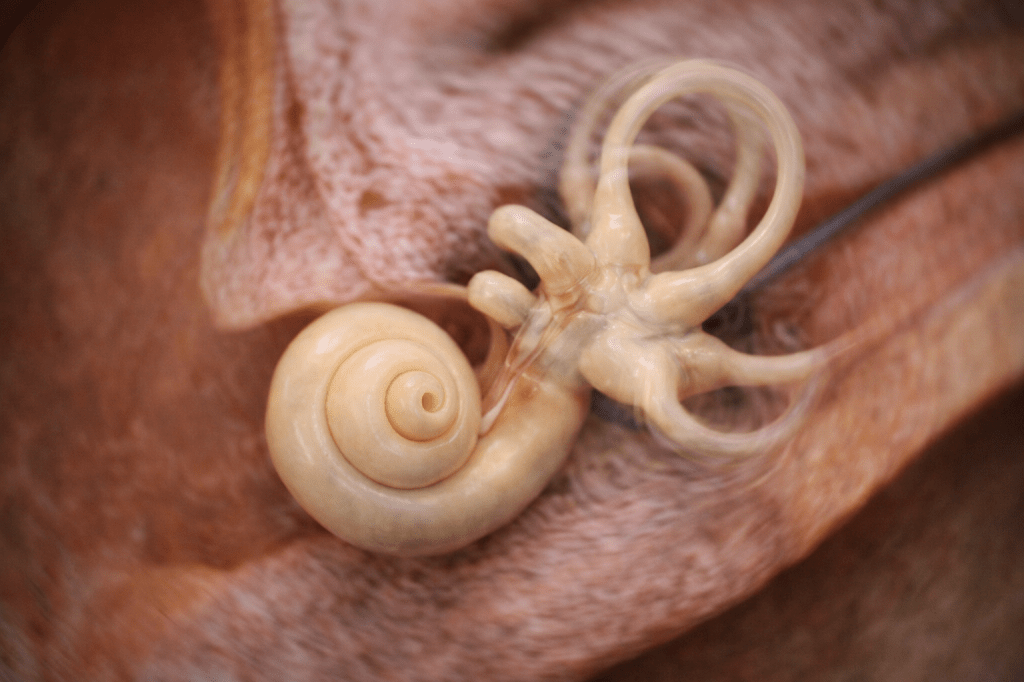
Inner ear infections are less common but more serious. They affect balance and hearing and may cause vertigo, nausea, or sudden hearing loss. These infections demand urgent ENT attention.
What Is Hearing Loss?
Hearing loss means reduced ability to hear sounds clearly. It may affect one ear or both. It can be mild, moderate, or severe. Importantly, hearing loss is not a disease. It is a symptom with many causes.
There are three main types:
- Conductive hearing loss happens when sound cannot pass through the ear canal or middle ear. Ear infections, fluid behind the eardrum, and earwax are common causes.
- Sensorineural hearing loss occurs when the inner ear or hearing nerve is damaged. Ageing, noise exposure, and viral infections are frequent culprits.
- Mixed hearing loss combines both mechanisms.
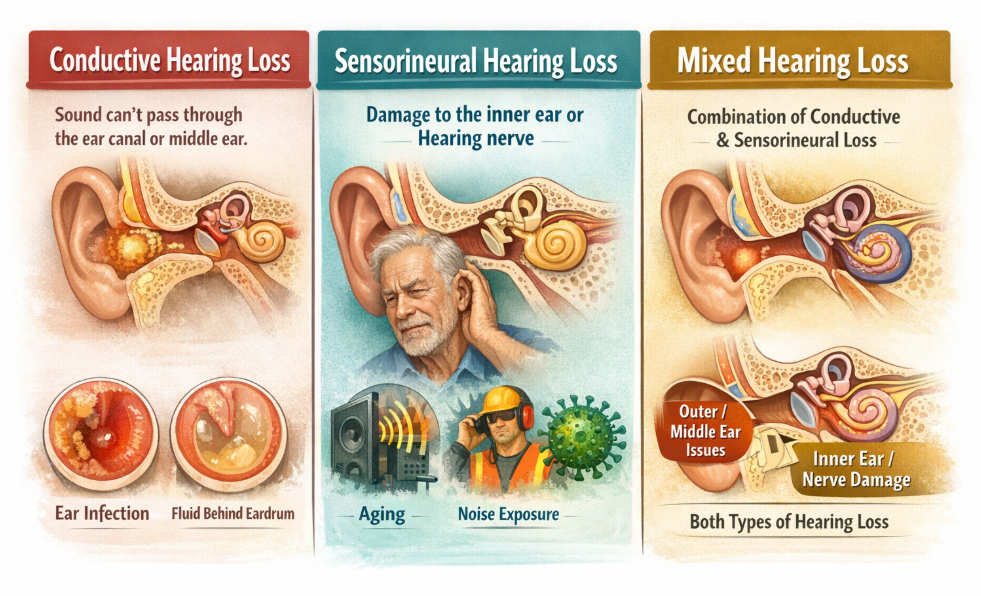
Infections often trigger conductive hearing loss. However, untreated or severe infections may also damage the inner ear, leading to permanent hearing loss.
Why These Conditions Are Linked
Ear infections and hearing loss often travel together. When infection causes swelling or fluid buildup, sound transmission drops. Imagine trying to hear through a wall of water. That is what fluid behind the eardrum does.
In children, repeated ear infections can delay speech development. In adults, chronic infections may slowly erode hearing. Unfortunately, many patients seek help only when communication becomes difficult.
In Kuala Lumpur, delayed treatment is common due to busy schedules, self-medication, or reliance on repeated antibiotics without proper examination. This increases the risk of complications.

Why This Matters in Daily Life
Hearing is not just about sound. It affects work, relationships, and safety. Patients often tell me they feel isolated. They miss parts of conversations. They feel tired from constant listening effort.
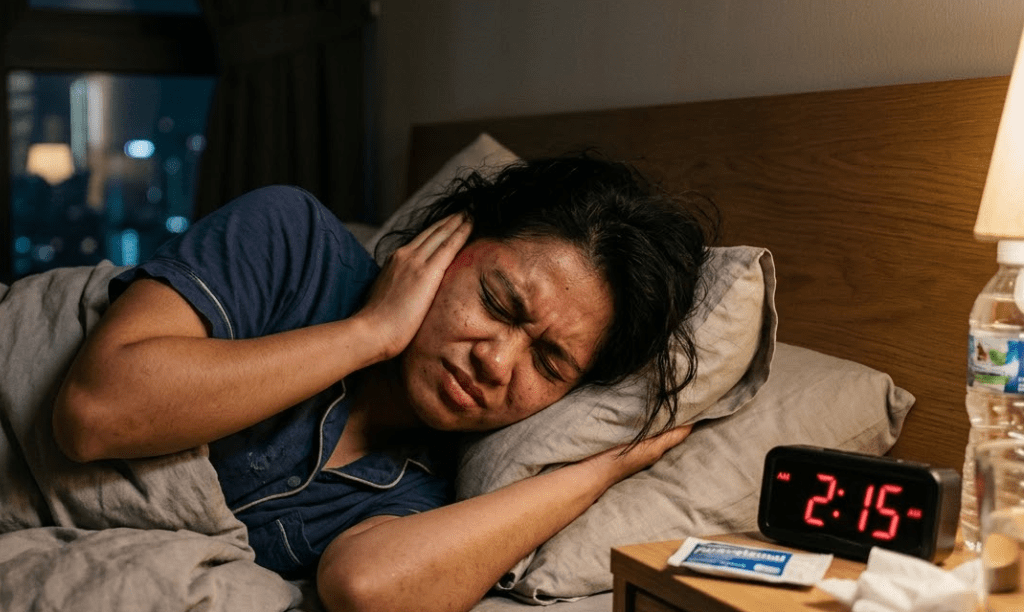
Ear infections, on the other hand, disrupt sleep, concentration, and quality of life. Pain, discharge, and dizziness can be exhausting.
Here is the key message: ear symptoms are signals, not annoyances. Ignoring them is like ignoring a warning light on your car dashboard.

ENT Perspective: Early Attention Changes Outcomes
Modern ENT practice focuses on early diagnosis and targeted treatment. We now understand when antibiotics help and when they harm. We also know that hearing loss is often preventable or reversible if treated early.
If you live or work in Kuala Lumpur, where noise exposure, humidity, and urban lifestyle increase ENT risks, timely assessment is essential.

References
This article is written based on current evidence and clinical practice standards from leading ENT journals, including The Laryngoscope, JAMA Otolaryngology–Head & Neck Surgery, Otolaryngology–Head and Neck Surgery, Otology & Neurotology, Head & Neck, Clinical Otolaryngology, and European Archives of Oto-Rhino-Laryngology.
If you are experiencing ear pain, discharge, or hearing difficulty in Kuala Lumpur, a proper ENT assessment can protect your hearing and prevent long-term damage.



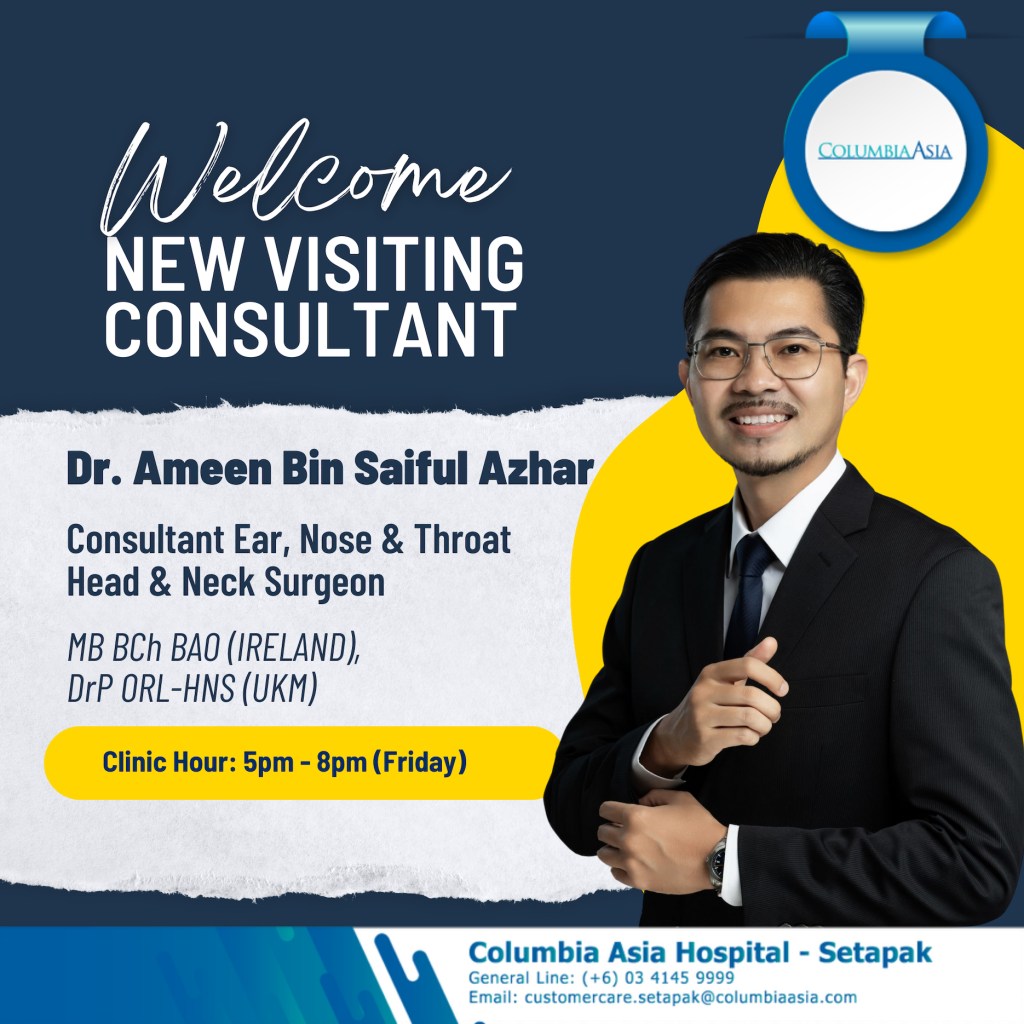




 Dr. Ameen, ENT Specialist in Kuala Lumpur
Leave a comment