


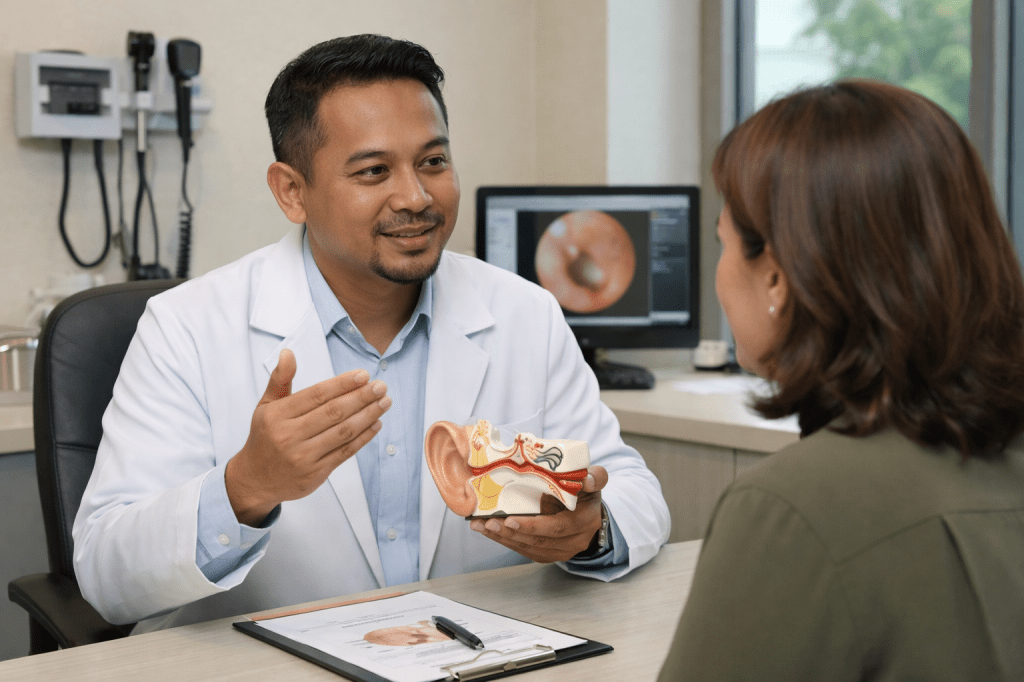
Prevention and Long-Term Outlook
Here’s the good news.
Most ear infections are preventable.
Most hearing loss is manageable.
Many complications are avoidable.
But prevention requires awareness. And awareness requires action.
In Kuala Lumpur, I often see patients only after repeated infections or gradual hearing decline. At that stage, treatment becomes more complex. However, early prevention keeps things simple.
Let’s talk about what you can actually do.

Preventing Ear Infections
1. Stop Using Cotton Buds
This is the most common mistake.
Cotton buds push wax deeper. They injure the ear canal skin. Tiny scratches allow bacteria and fungi to enter.
Your ear is self-cleaning. Wax naturally migrates outward. If blockage occurs, safe removal by an ENT specialist is better than self-cleaning.

2. Keep Ears Dry in Kuala Lumpur’s Humidity
Our tropical climate increases moisture retention.
After swimming or gym sessions, dry your ears gently with a towel. Avoid inserting objects inside the canal.
If you are prone to outer ear infections, consider protective strategies advised by your ENT specialist.
Moisture plus micro-injury equals infection risk.

3. Control Allergies and Nasal Problems
Nasal allergy is common in Malaysia.
Chronic nasal congestion blocks the Eustachian tube. Fluid builds behind the eardrum. Recurrent middle ear infections follow.
Treating allergic rhinitis reduces ear complications.
Prevention often starts with the nose.

4. Protect Your Hearing from Noise
Noise-induced hearing loss is preventable.
Limit headphone volume.
Use ear protection in noisy workplaces.
Avoid prolonged exposure to loud concerts.
Remember this: damage to inner ear hair cells is permanent.
Urban noise in Kuala Lumpur is unavoidable. However, protection is possible.

5. Vaccination and General Health
Vaccination reduces certain infections that can lead to ear complications.
Managing chronic conditions like diabetes also lowers infection risk.
Good overall health supports ear health.

Long-Term Outlook: What Patients Should Expect
The prognosis depends on the cause and timing of treatment.
Acute Ear Infections
Most resolve completely with proper care. Hearing returns to normal once fluid clears.
However, repeated untreated infections may lead to chronic disease.
Chronic Ear Disease
If structural damage occurs, surgical intervention may be required. Outcomes are generally good when managed early.
Delayed treatment increases risk of permanent hearing loss.
Age-Related Hearing Loss
This condition progresses slowly.
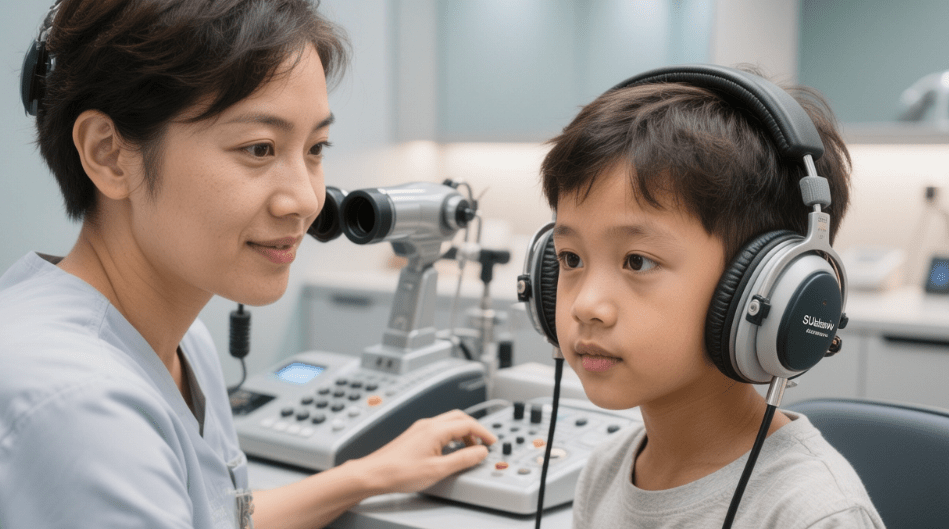
While it cannot be reversed, early hearing rehabilitation maintains communication ability and quality of life.
Modern hearing devices are discreet and highly advanced. They restore clarity and confidence.

Sudden Hearing Loss
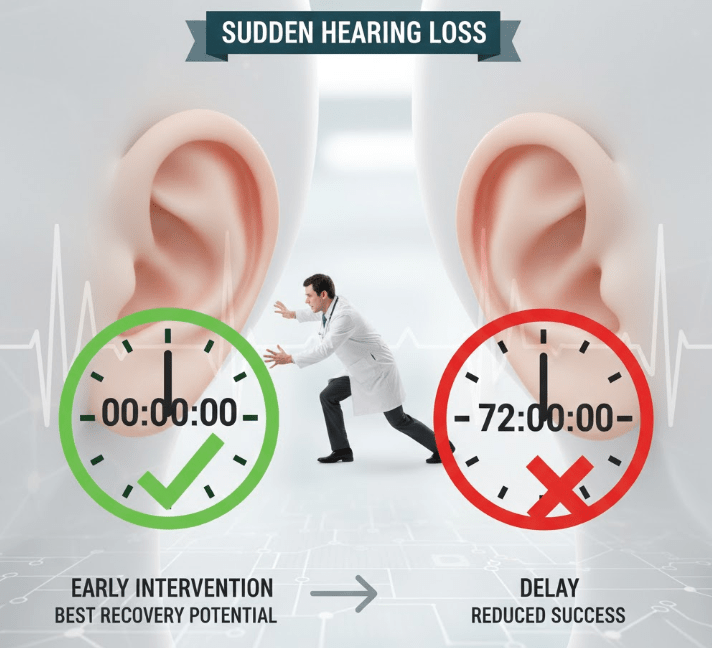
Outcome depends heavily on early intervention.
Treatment within the first few days offers the best recovery potential. Delay reduces success rates significantly.
Psychological and Social Impact
Hearing connects us to people.
Untreated hearing loss leads to frustration, fatigue, and social withdrawal. Studies in leading ENT journals highlight links between untreated hearing loss and reduced cognitive engagement.
Addressing hearing early improves overall wellbeing.
Prevention protects not only ears, but relationships and independence.
What I Tell My Patients in Kuala Lumpur
Your ears rarely fail without warning.
Blocked sensation, mild ringing, occasional discomfort — these are early signals.
Think of ear health like dental care. Routine checks prevent major procedures.
Simple lifestyle adjustments today prevent complicated surgery tomorrow.
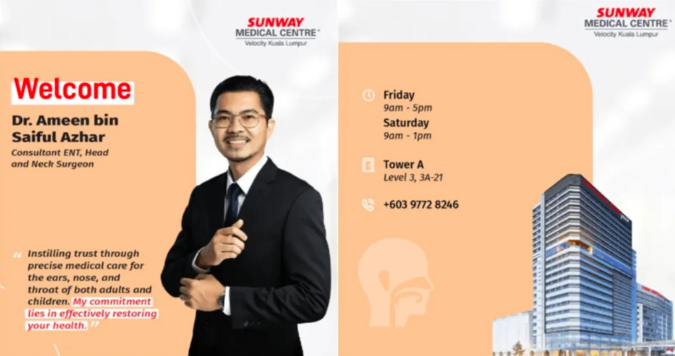
If you want to prevent ear infections or protect your hearing in Kuala Lumpur, schedule a comprehensive ENT assessment. Early evaluation preserves hearing and ensures long-term ear health.
References
This article is written based on current evidence and clinical practice standards from leading ENT journals, including The Laryngoscope, JAMA Otolaryngology–Head & Neck Surgery, Otolaryngology–Head and Neck Surgery, Otology & Neurotology, Head & Neck, Clinical Otolaryngology, and European Archives of Oto-Rhino-Laryngology.
Reviewed by Dr Ameen, ENT Specialist, Kuala Lumpur

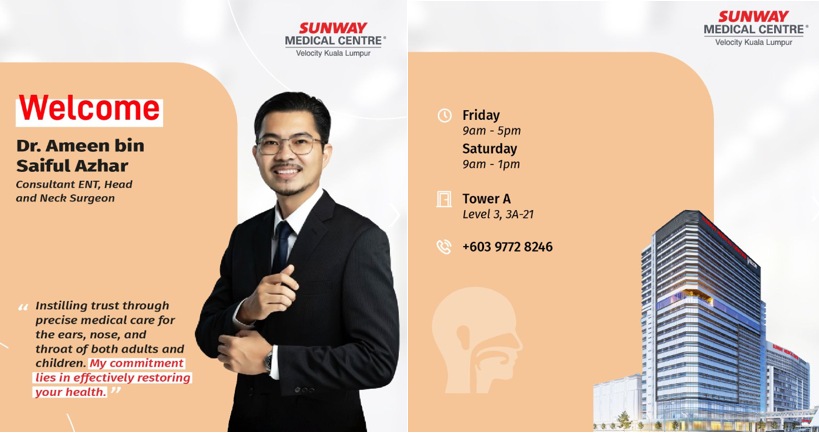
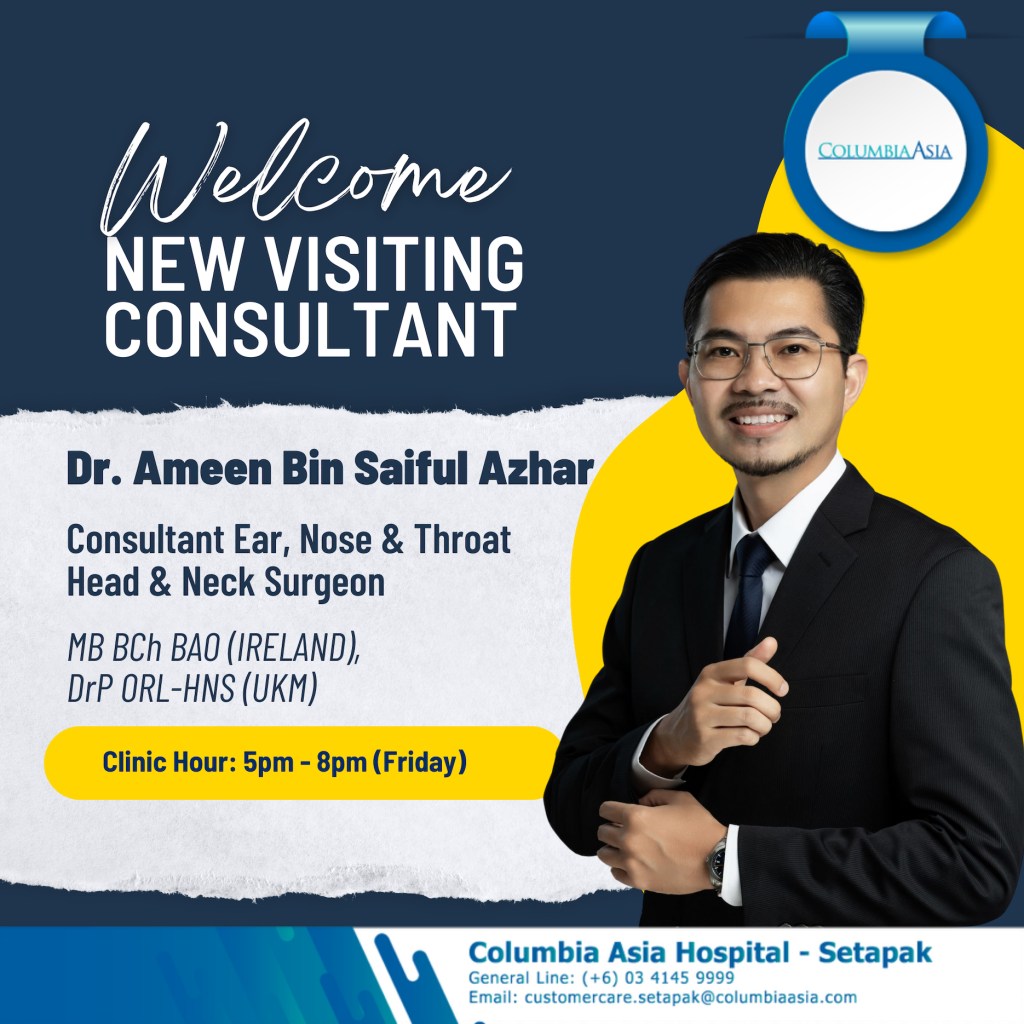



 Dr. Ameen, ENT Specialist in Kuala Lumpur
Leave a comment