



Sudden hearing loss is not the same as gradual hearing loss

Many people wake up one morning and realise:
- One ear feels blocked
- Sounds are muffled
- Hearing seems suddenly reduced
Some assume it is just earwax or a minor infection.
Do you know why sudden hearing loss should never be ignored?
What is sudden hearing loss?
Sudden hearing loss refers to a rapid drop in hearing, usually in one ear, over hours or days.
It often occurs without pain and may be accompanied by:
- Ear fullness
- Tinnitus (ringing)
- Dizziness
This condition is different from age-related or long-term hearing loss.
Why timing matters
The inner ear is very sensitive.
When hearing suddenly drops, early treatment can make a significant difference.
Delay reduces recovery chance
Treatment is most effective within the first few days.
Waiting weeks may reduce the chance of hearing recovery.

Common misconceptions
“It will recover by itself”
Some cases do improve, but many do not — and waiting can cost valuable time.
“It’s just earwax”
Earwax does not cause sudden nerve hearing loss.
What causes sudden hearing loss?
In many cases, the exact cause is unknown.
Possible factors include:
- Viral inner ear inflammation
- Circulation issues
- Immune-related inner ear injury

When to seek urgent ENT care
Seek immediate assessment if:
- Hearing drops suddenly in one ear
- Tinnitus appears suddenly with hearing loss
- Dizziness accompanies hearing loss
This is one situation where early action truly matters.

Treatment: Why Early Action Matters
Sudden hearing loss (often sudden sensorineural hearing loss) is treated as an emergency because early therapy significantly improves recovery rates—especially within the first 72 hours.
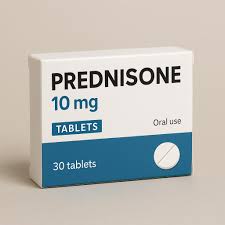
1️⃣ Oral Steroids
High-dose oral corticosteroids are the first-line treatment in most patients.
They reduce inflammation and swelling in the inner ear and may help restore hearing if started early.
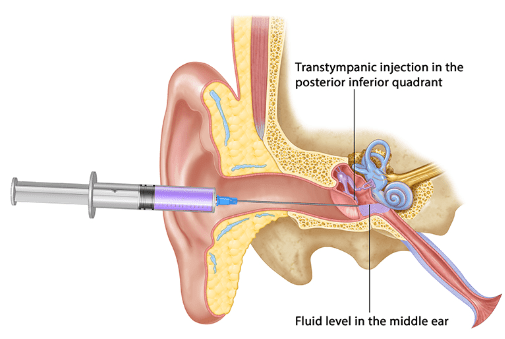
2️⃣ Intratympanic Steroid Injection (Steroid Injection into the Ear)
In some cases, steroids are delivered directly into the middle ear through a small injection in the eardrum. This is called an intratympanic steroid injection.
How it works:
- The medication diffuses from the middle ear into the inner ear.
- It delivers a high concentration of steroid locally with fewer systemic side effects.
When is it used?
- As an alternative for patients who cannot take oral steroids (e.g., uncontrolled diabetes).
- As a salvage treatment if oral steroids do not lead to sufficient recovery.
- Sometimes combined with oral steroids for selected patients.
Is it painful?
The procedure is done in the clinic under local anaesthesia. Most patients tolerate it well, and the injection takes only a few minutes.
Key takeaway
Sudden hearing loss is an ENT emergency.
Early treatment gives the best chance for recovery.

Frequently Asked Questions
1) Is sudden hearing loss permanent?
Not always. Early treatment improves recovery chances.
2) Does it hurt?
Often no, which is why many patients delay seeking help.
3) Is it caused by ear infection?
Usually not. The problem often lies in the inner ear.
4) Can steroids help?
Steroids are commonly used early to reduce inner ear inflammation.
5) Should I wait and see?
No. Sudden hearing loss should be assessed urgently.










 Dr. Ameen, ENT Specialist in Kuala Lumpur
Leave a comment