



Instant relief that can turn into a hidden problem

Nasal decongestant sprays are popular because they work quickly. Within minutes, the nose feels clear and breathing becomes easier.
Do you know why this quick relief can sometimes lead to a bigger problem?
These sprays are designed for short-term use, but many people continue using them for days or even weeks without realising the consequences.
How nasal decongestant sprays actually work


These sprays work by shrinking the blood vessels inside the nasal lining. This reduces swelling and opens up the airway.
However, this effect is temporary. Once the medication wears off, the blood vessels can expand again.

What happens when you use them too often
Rebound congestion develops
When used repeatedly, the nose becomes dependent on the spray. Once it wears off, the swelling returns, often worse than before.
This leads to a cycle:
- Spray → Relief
- Effect wears off → Worse blockage
- Repeat use
Over time, the nose loses its ability to regulate itself.

What is rhinitis medicamentosa?
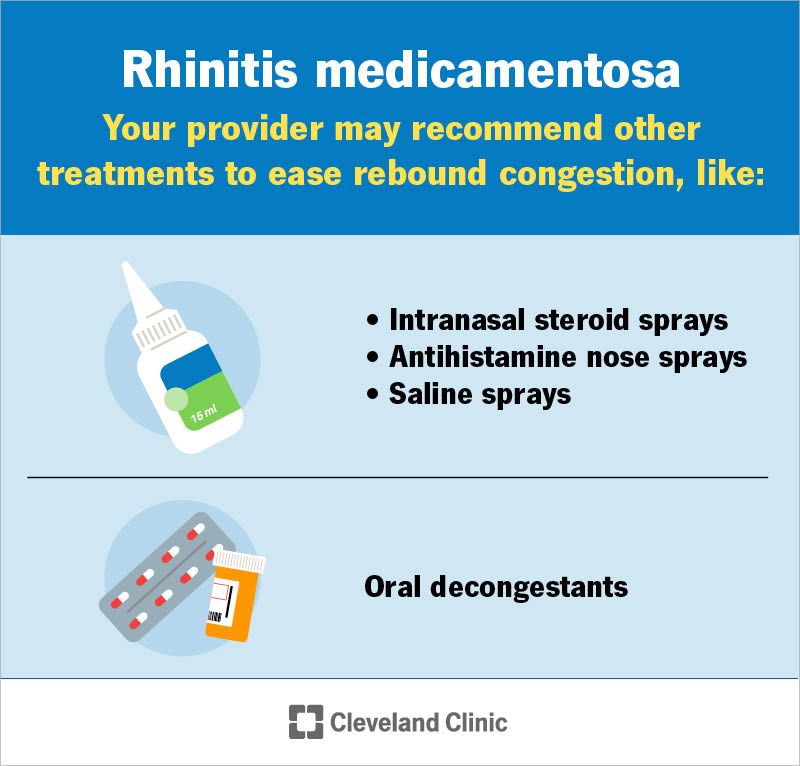
Rhinitis medicamentosa is the medical term for chronic nasal congestion caused by overuse of decongestant nasal sprays.
When these sprays are used beyond a few days, the nasal lining becomes dependent on the medication to stay open. Without it, the blood vessels dilate excessively, leading to persistent blockage.
This condition can feel like a “never-ending blocked nose,” even though the original cause may have already resolved.
Signs you may be dependent on nasal sprays

You may be experiencing dependency if:
- You need the spray several times a day
- Your nose blocks quickly after stopping
- You feel anxious without the spray
Many patients do not realise this until symptoms worsen.
Why stopping suddenly feels difficult
When you stop the spray, the nose may feel extremely blocked for a few days.
This is temporary, but many people restart the spray because of discomfort.
This makes the cycle harder to break.

Safer ways to treat nasal blockage

Breaking the cycle is possible with proper treatment:
- Gradually reduce spray usage
- Use saline nasal rinses
- Switch to anti-inflammatory nasal sprays when needed
- Treat underlying causes like allergy or sinus issues
ENT guidance is often helpful during this process.

Key takeaway
Nasal sprays are effective for short-term relief, but prolonged use can worsen congestion.
Using them correctly, and knowing when to stop, is essential.
Reviewed by Dr Ameen, ENT Specialist Kuala Lumpur











 Dr. Ameen, ENT Specialist in Kuala Lumpur
Leave a comment