Dr. Ameen, ENT Specialist in Kuala Lumpur

ENT Specialist Treating Ear, Nose, Sinus, Snoring, Vertigo & Throat Problems

Ear, Nose & Throat Specialist (Adult & Paediatric)
Pakar Hidung, Telinga & Tekak (Dewasa & Kanak2)


🎓Qualifications
🩺MB BCh BAO Hons (Ireland🍀)
🔪Master (DrP) in Otorhinolaryngology (ENT👂👃👄), Head & Neck Surgery (UKM, Malaysia🌺)


Email: drameenpakarent@protonmail.com

Do you know why nosebleeds happen more often in hot or dry weather?

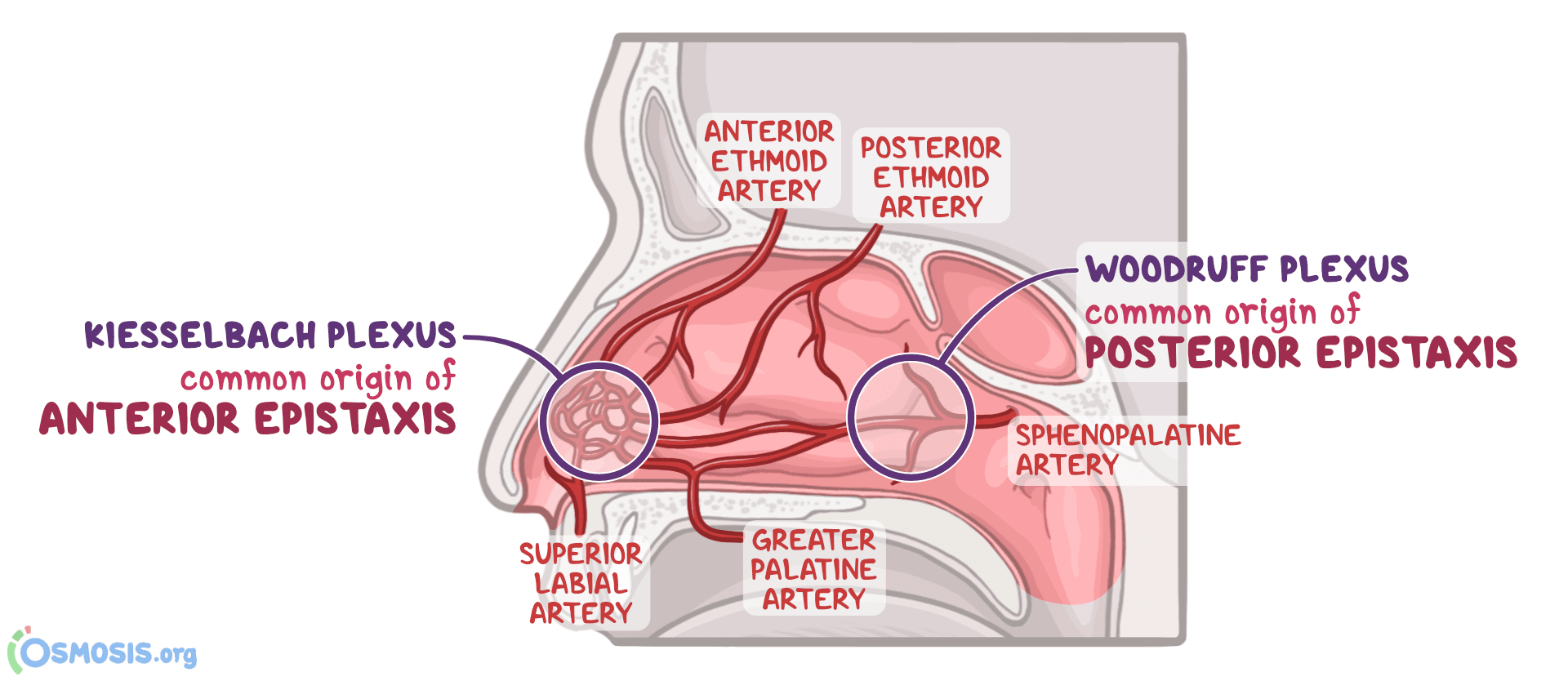
The nose contains delicate blood vessels that bleed easily
https://www.osmosis.org/_next/image?q=75&url=https%3A%2F%2Fd16qt3wv6xm098.cloudfront.net%2FjCXZKFSyQAqSIm9khWwWlJIFT-_igdKV%2F_.png&w=1920

The front part of the nasal septum contains a network of very fine blood vessels. These vessels are close to the surface and can rupture easily with minimal irritation.

Even simple actions such as rubbing the nose, sneezing, or minor dryness can trigger bleeding. This explains why nosebleeds can occur suddenly without any obvious injury.

A man with dark hair is pressing tissues to his nose, which is bleeding, while his eyes are closed in concentration.
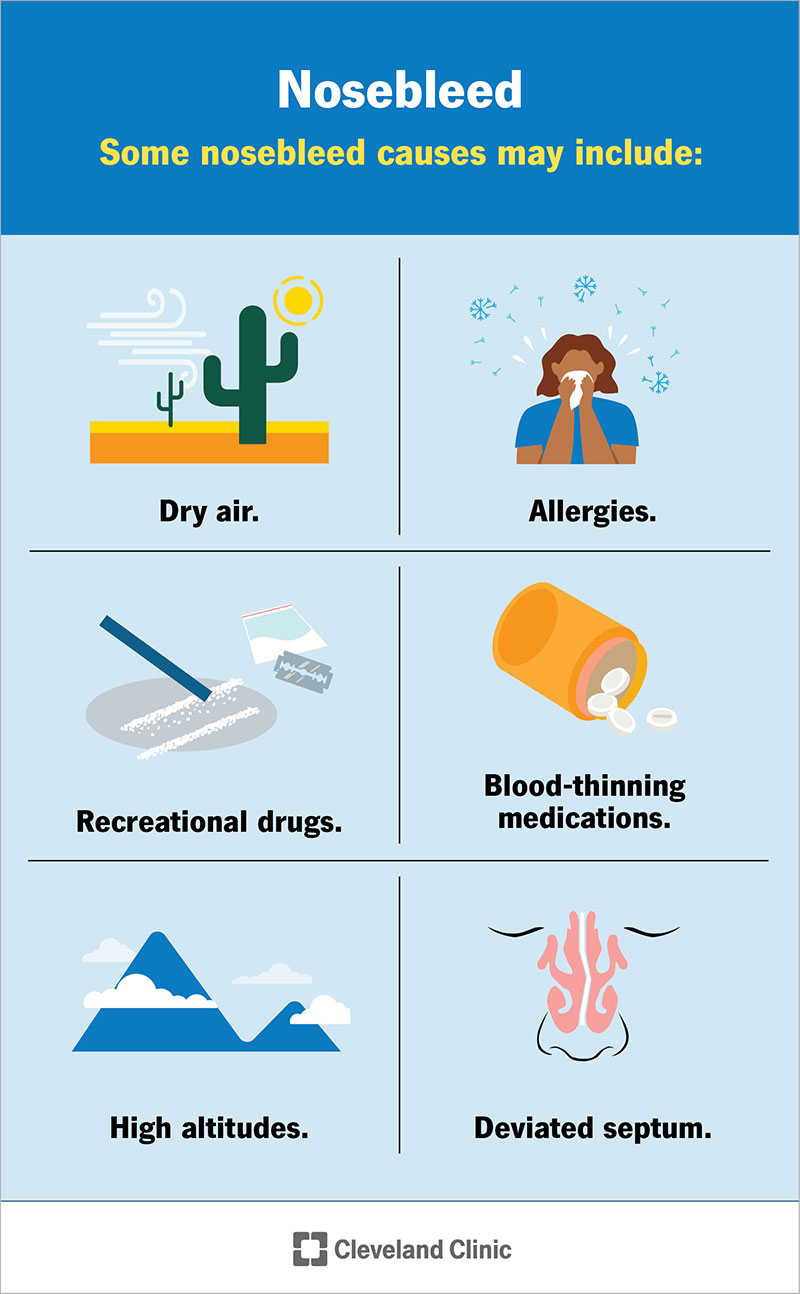
Individual dealing with a nosebleed while applying pressure with tissue to the nostrils, highlighting the impact of nasal dryness.

Dry air is the most common trigger

https://my.clevelandclinic.org/-/scassets/images/org/health/articles/13464-nosebleed

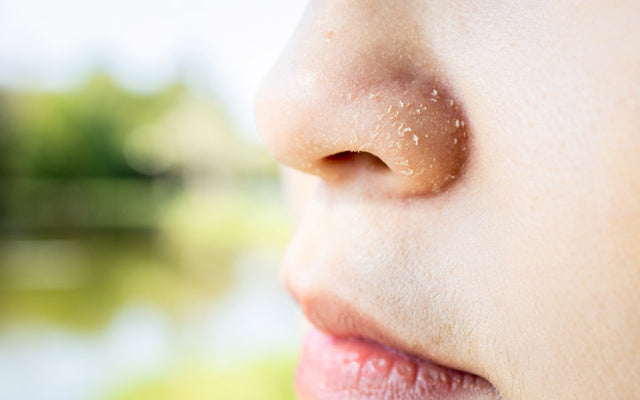
Hot weather and air-conditioned environments reduce moisture in the air. This causes the nasal lining to become dry and cracked.
https://skinkraft.com/cdn/shop/articles/Nose_1024x400.jpg?v=1586864759

When the protective layer is damaged, the underlying blood vessels are exposed and more likely to bleed. This is why nosebleeds are common in offices, bedrooms with air conditioning, and during dry seasons.

A young man with a concerned expression sitting on a bed in a minimalistic room, touching his face.
Individual showing discomfort while rubbing their nose, highlighting the common triggers of nosebleeds such as dryness and irritation.

Other common contributing factors

https://todaysparent.mblycdn.com/tp/resized/2015/03/1600x900/TP-step-toddler-nose-picking-march-2015-thumb.jpg
https://www.manipalhospitals.com/uploads/image_gallery/preventing-sinusitis-causes-symptoms-home-remedies_png_.png

In addition to dryness, several everyday habits increase the risk of nosebleeds:

  • Frequent nose rubbing or picking
  • Strong nose blowing
  • Allergies causing itching and irritation

These actions repeatedly damage the fragile lining of the nose, making bleeding more likely over time.

A concerned young man sitting on a sofa, pinching his nose with a worried expression, indoors.
A worried young man experiencing a nosebleed, highlighting concerns about nasal health and preventive measures.

When should you be concerned

https://osmose-it.s3.amazonaws.com/QfHMgRCwSCWrWjMcE0Mdfc77RRyVPbo4/_.png

Most nosebleeds are harmless and stop on their own. However, medical attention is needed if:

  • Bleeding is heavy or prolonged
  • Episodes occur frequently
  • There is associated dizziness or weakness

These may indicate underlying issues that require further evaluation.

A worried patient sits across from a doctor in a medical office, looking pensive while touching his chin.
Patient discussing recurrent nosebleeds with doctor in a modern ENT clinic.

Simple ways to prevent nosebleeds

A man applying nasal spray to his nose with one hand while holding the bottle in the other hand.
A person applying saline nasal spray to prevent dryness and reduce the risk of nosebleeds.
A Vicks humidifier on a wooden coffee table, emitting steam, surrounded by a small yellow flower pot, a glass bottle, and three glass tumblers, with a soft couch and decorative cushions in the background.
A stylish Vicks humidifier in a modern living space, designed to maintain moisture and prevent dryness that can lead to nosebleeds.

Preventing dryness is the key to reducing nosebleeds:

  • Keep the nasal lining moist with saline sprays
  • Stay well hydrated
  • Avoid excessive nose blowing
  • Use a humidifier if needed

Small daily habits can significantly reduce recurrence.

A woman in a bathroom holding a skincare product, gently applying it to her face in soft, natural light.
A woman applying a hydrating spray in the bathroom, showcasing a simple way to prevent nosebleeds by maintaining nasal moisture.

Key takeaway

Nosebleeds are common in hot or dry conditions and are usually caused by irritation of delicate nasal blood vessels. Most cases are not serious and can be managed with simple measures. However, persistent or heavy bleeding should not be ignored and may require assessment by an ENT specialist.

Reviewed by Dr Ameen, ENT Specialist Kuala Lumpur


Leave a comment

I’m Dr Ameen, an ENT specialist based in Kuala Lumpur, Malaysia

I am passionate about helping people breathe, hear, and live better. After years of experience at Hospital Kuala Lumpur and Tunku Azizah Women and Children Hospital, I now provide specialised care at Sunway Medical Centre Velocity, Columbia Hospital Setapak, and Klinik ANDA Wangsa Melawati. Through this page, I share simple, reliable tips and insights to help you understand and manage common ear, nose, and throat conditions with confidence.

MY CLINIC HOURS:

  • TUESDAY – 8pm to 10pm (Klinik ANDA Wangsa Melawati)
  • FRIDAY – 9am to 5pm (Sunway Medical Centre Velocity)
  • FRIDAY – 5pm to 8pm (Columbia Asia Hospital Setapak)
  • SATURDAY – 9am to 1pm (Sunway Medical Centre Velocity)
Book your appointment to see me at Sunway Medical Centre Velocity by clicking HERE
Book your appointment to see me at Columbia Hospital Setapak by clicking HERE