


Allergic Rhinitis (Resdung): Symptoms, Triggers & ENT Treatment in Kuala Lumpur
Allergic rhinitis, commonly known in Malaysia as “resdung”, is one of the most frequent reasons patients seek ENT consultation. While often perceived as a minor condition, uncontrolled allergic rhinitis can significantly affect sleep, work productivity, concentration, and quality of life, and may lead to sinus complications if left untreated.
As an ENT specialist, I commonly see patients who have lived with nasal symptoms for years, assuming that resdung is something they must simply tolerate.
What Is Allergic Rhinitis?
Allergic rhinitis occurs when the nasal lining overreacts to allergens in the environment, causing inflammation and excessive mucus production.
The immune system mistakenly identifies harmless substances as threats, triggering symptoms that can be seasonal or year-round.
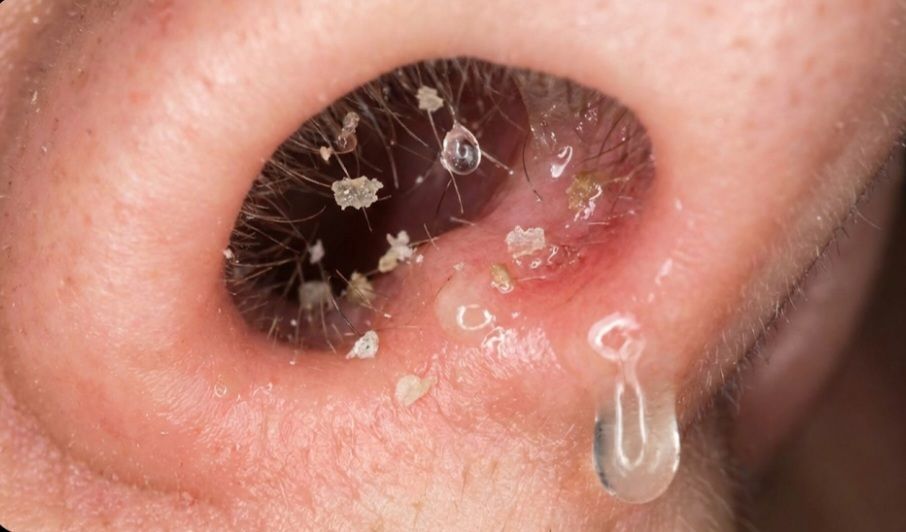
Common Symptoms of Allergic Rhinitis
Patients with allergic rhinitis often experience:
- Persistent blocked nose
- Clear watery runny nose
- Frequent sneezing
- Itchy nose, eyes, or throat
- Post-nasal drip
- Poor sleep quality and snoring
Symptoms are often worse in the morning or after exposure to dust.
Common Triggers in Malaysia
In Kuala Lumpur and surrounding areas, common triggers include:
- House dust mites
- Air pollution and haze
- Pet dander
- Mould
- Weather changes
Dust mites are the most common trigger, especially in indoor environments.
Types of Allergic Rhinitis
1. Seasonal Allergic Rhinitis
Symptoms occur during specific periods, often related to pollen exposure.
2. Perennial Allergic Rhinitis
Symptoms occur throughout the year, commonly due to dust mites.
🚨 Why Allergic Rhinitis Should Not Be Ignored
Untreated allergic rhinitis can lead to:
- Chronic nasal blockage
- Recurrent sinus infections
- Poor sleep and daytime fatigue
- Reduced sense of smell
- Worsening asthma symptoms
It is not “just allergy” when symptoms affect daily life.
How an ENT Specialist Diagnoses Allergic Rhinitis
Diagnosis is based on:
- Detailed symptom history
- Nasal examination
- Nasal endoscopy to assess turbinate swelling and rule out polyps
- Allergy testing when indicated
ENT assessment ensures that symptoms are not due to sinusitis, polyps, or structural problems.
Treatment Options for Allergic Rhinitis
✅ Medical Treatment
- Intranasal steroid sprays (mainstay of treatment)
- Antihistamines
- Saline nasal irrigation
✅ Environmental Control
- Dust mite control measures
- Bedroom hygiene
- Avoidance of known triggers
✅ Advanced Treatment (Selected Cases)
- Immunotherapy
- Surgical reduction of enlarged turbinates
Treatment is individualised based on severity and response.
Frequently Asked Questions (FAQ)
Q: Can allergic rhinitis be cured?
It can be well controlled, although some patients require long-term management.
Q: Is daily nasal spray safe?
Yes, when used correctly under medical guidance.
Q: Can resdung cause sinusitis?
Yes. Poorly controlled allergy can block sinus drainage.
When Should You See an ENT Specialist in Kuala Lumpur?
You should consider ENT consultation if:
- Symptoms persist despite medication
- Nasal blockage affects sleep or work
- You rely on daily antihistamines
- You experience recurrent sinus infections
ENT care allows accurate diagnosis and long-term control.
Reviewed by Dr Ameen, ENT Specialist, Kuala Lumpur

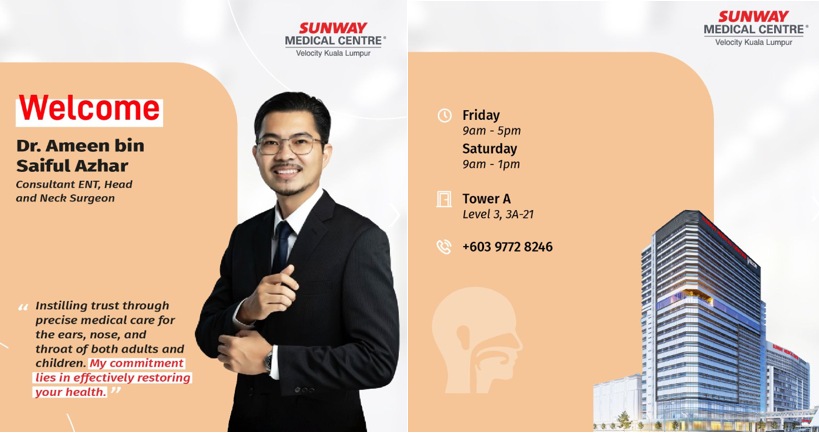
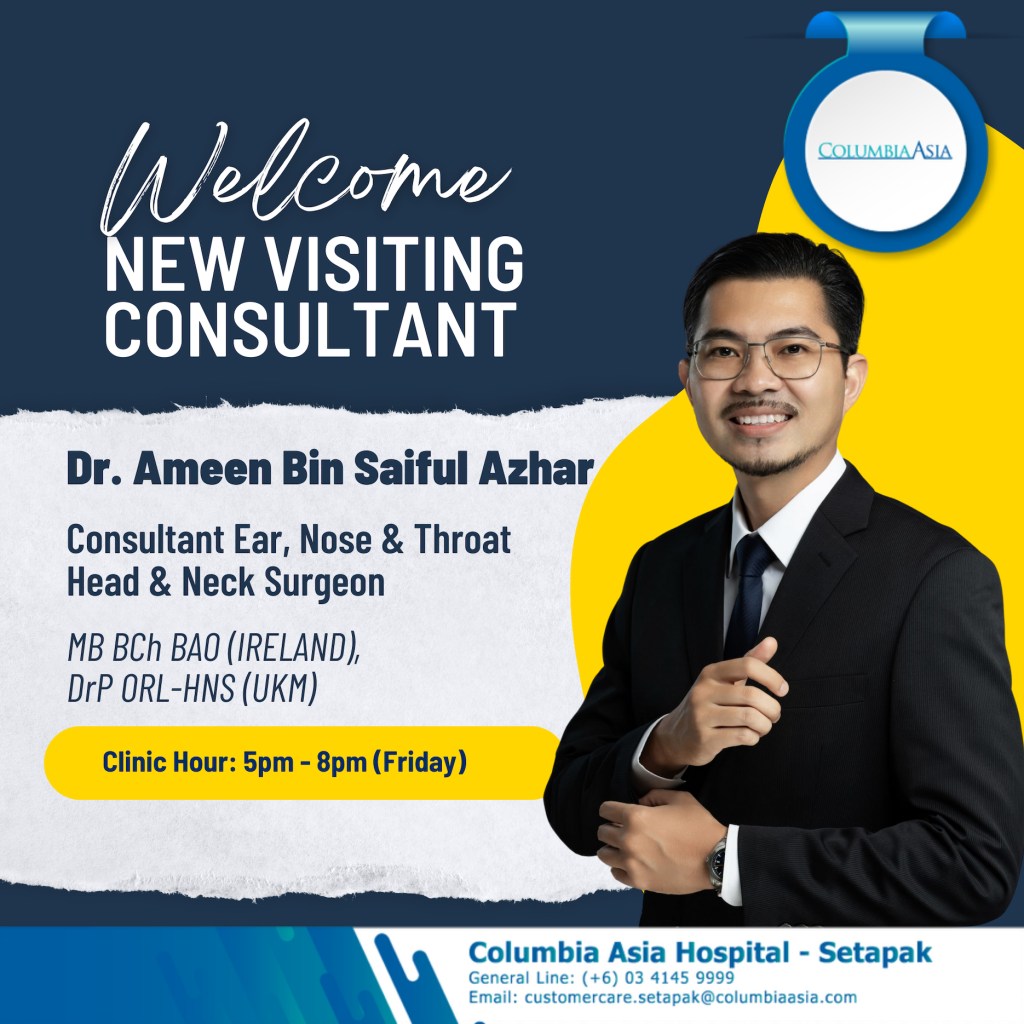







 Dr. Ameen, ENT Specialist in Kuala Lumpur