


Causes, When to Worry & ENT Treatment in Kuala Lumpur
A blocked nose, also known as a stuffy or congested nose, is one of the most common symptoms seen by ENT specialists. While many people assume it is “just flu” or “resdung”, a persistently blocked nose may indicate an underlying nasal or sinus condition that requires proper medical assessment.
As an ENT consultant, I frequently see patients who have suffered for months or even years with nasal blockage — affecting their sleep, work performance, and overall quality of life.
What Does a Blocked Nose Feel Like?
Patients commonly describe:
- Difficulty breathing through one or both nostrils
- Feeling of pressure or fullness in the nose
- Needing to breathe through the mouth, especially at night
- Poor sleep quality or snoring
- Reduced sense of smell
A blocked nose can be intermittent or constant, and may affect one side or both sides.
Common Causes of a Blocked Nose
1. Allergic Rhinitis (Resdung)
The most common cause in Malaysia. Triggered by dust mites, pollution, pet dander, or weather changes.
Typical clues:
- Frequent sneezing
- Runny or itchy nose
- Nasal blockage worse in the morning
2. Sinusitis (Acute or Chronic)
Inflammation of the sinus cavities leads to nasal swelling and mucus retention.
Associated symptoms:
- Facial pain or pressure
- Thick nasal discharge
- Headache
- Reduced smell
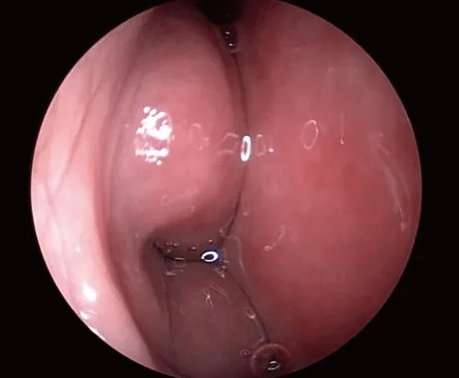
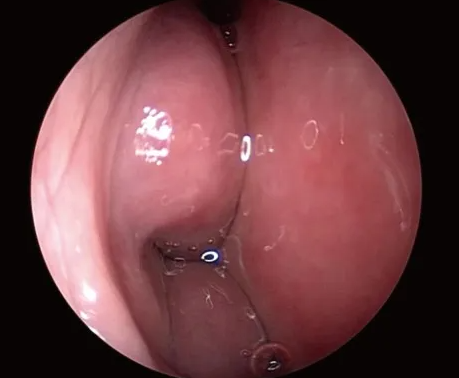
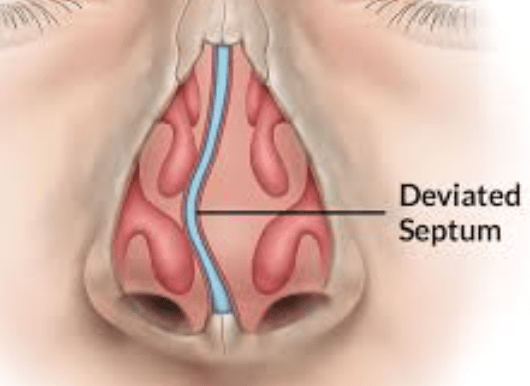
3. Deviated Nasal Septum
A bent nasal partition can narrow one side of the nose.
Key feature:
- Long-standing one-sided blocked nose, often since young adulthood
4. Nasal Polyps
Soft, painless swellings inside the nose caused by chronic inflammation.
Often associated with:
- Persistent blockage
- Reduced or loss of smell
- Asthma or sinus disease
5. Inferior Turbinate Hypertrophy
Enlarged nasal tissues due to allergy or chronic irritation.
6. Nasal Tumours or Nasopharyngeal Cancer (Rare but Important)
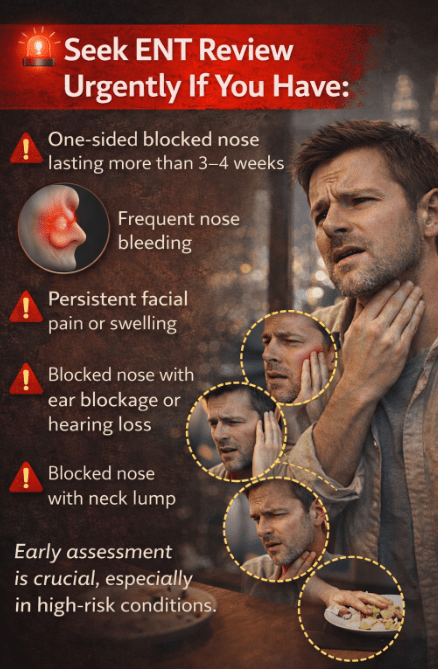
More common in one-sided persistent blockage, sometimes with nose bleeding or ear blockage.
Punca lubang hidung sempit
Lubang hidung sempit boleh berpunca daripada beberapa faktor, sama ada sejak lahir atau berlaku kemudian.
- Punca kongenital termasuk – struktur hidung yang kecil atau septum hidung bengkok sejak kelahiran.
- Trauma pada hidung akibat kemalangan atau kecederaan sukan juga boleh menyebabkan penyempitan saluran hidung.
- Jangkitan berulang, keradangan kronik, atau parut akibat pembedahan hidung boleh mengecilkan lubang hidung.
- Ketumbuhan, polip hidung, atau pembesaran tisu dalam hidung turut menyumbang kepada masalah ini.
Lubang hidung sempit boleh menyebabkan kesukaran bernafas, hidung tersumbat berpanjangan, dan gangguan tidur jika tidak dirawat.

🚨 When Should You Worry About a Blocked Nose?
How an ENT Specialist Assesses a Blocked Nose
At the clinic, assessment may include:
- Detailed symptom history
- Nasal examination
- Nasal endoscopy (camera examination of the nose and nasopharynx)
- Imaging (CT scan of sinuses) if required
- Allergy evaluation
This allows us to identify the exact cause, rather than treating symptoms blindly.
Treatment Options for a Blocked Nose
✅ Medical Treatment
- Intranasal steroid sprays
- Antihistamines
- Saline nasal irrigation
- Short course of decongestants (when appropriate)

✅ Lifestyle & Environmental Control
- Dust mite avoidance
- Bedroom hygiene
- Avoidance of triggers

✅ Surgical Treatment (When Necessary)
- Septoplasty
- Turbinate reduction
- Endoscopic sinus surgery
- Polyp removal
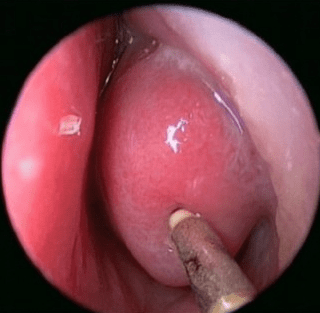
Surgery is only recommended when medical treatment fails or when structural problems are present.
Frequently Asked Questions (FAQ)
Q: Is it normal to have a blocked nose every day?
No. Daily nasal blockage is not normal and should be evaluated.
Q: Can allergy cause permanent nasal blockage?
Yes. Untreated allergic rhinitis can lead to turbinate enlargement or sinus disease.
Q: Should I worry if only one nostril is blocked?
Yes, especially if it is persistent. One-sided blockage should always be assessed by an ENT specialist.
When Should You See an ENT Specialist in Kuala Lumpur?
If your blocked nose:
- Lasts more than 2–3 weeks
- Keeps recurring despite medication
- Affects your sleep, work, or breathing
- Is associated with warning symptoms
👉 An ENT consultation allows accurate diagnosis and targeted treatment, avoiding unnecessary long-term medication.
Reviewed by Dr Ameen, ENT Specialist, Kuala Lumpur









 Dr. Ameen, ENT Specialist in Kuala Lumpur