


Excessive Daytime Sleepiness: Could It Be Sleep Apnoea?
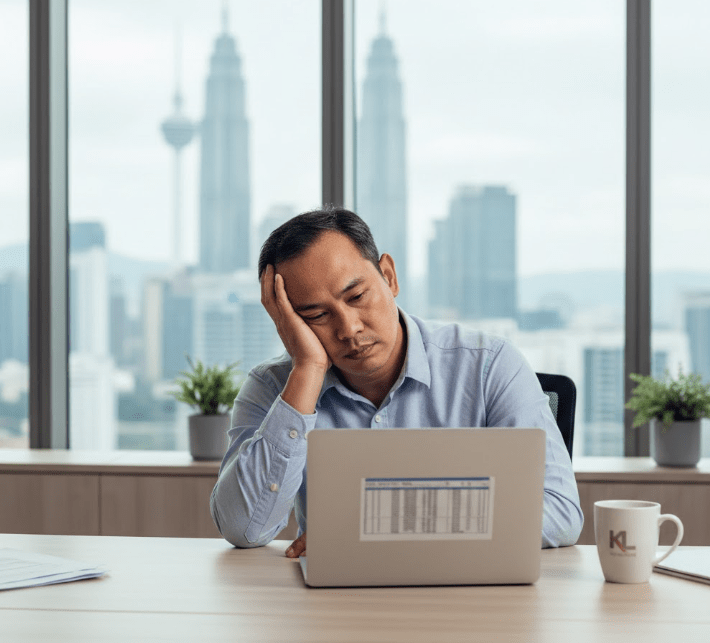
Excessive daytime sleepiness (EDS) refers to an abnormal tendency to feel sleepy during the day, even after what seems like a full night’s sleep. Patients often describe uncontrollable drowsiness, difficulty staying awake, or the need for frequent naps.
While lifestyle factors can contribute, persistent daytime sleepiness is often a sign of poor sleep quality, most commonly due to obstructive sleep apnoea (OSA). As an ENT specialist, I frequently see patients whose symptoms are misattributed to stress or ageing, when the underlying issue lies in airway obstruction during sleep.
What Does Excessive Daytime Sleepiness Feel Like?
Patients commonly report:
- Feeling sleepy during meetings or conversations
- Nodding off while watching TV or reading
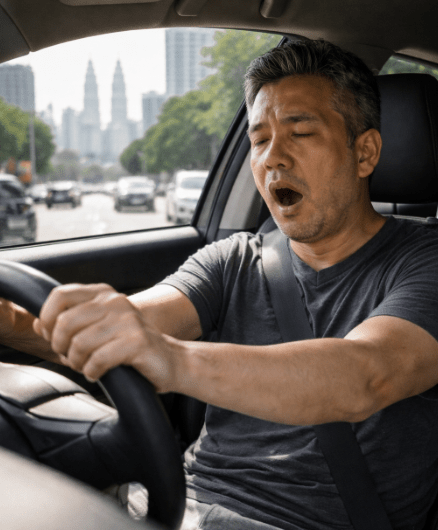
- Struggling to stay alert while driving
- Poor concentration and memory
- Irritability or low motivation
- Dependence on caffeine to function
These symptoms can seriously affect safety, productivity, and quality of life.

Common Causes of Excessive Daytime Sleepiness
1. Obstructive Sleep Apnoea
Repeated breathing pauses fragment sleep and reduce oxygen levels.
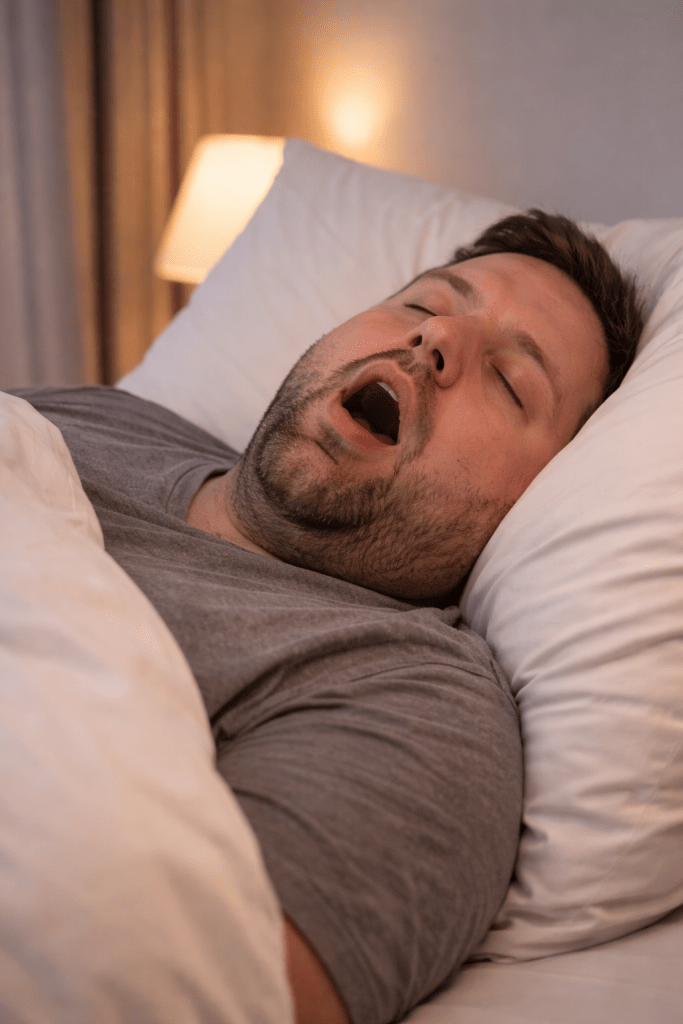
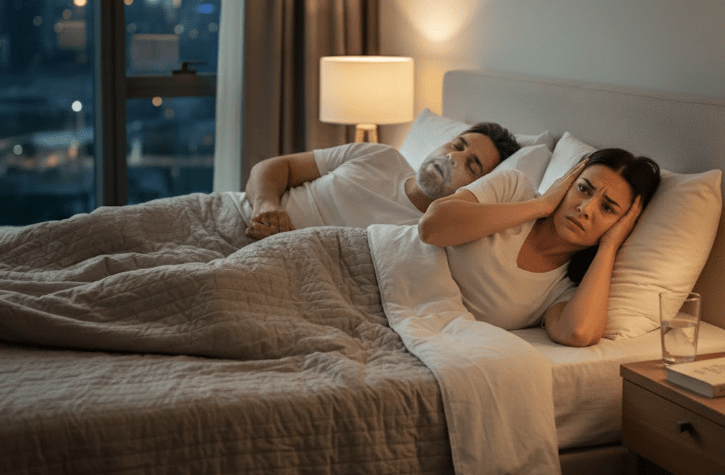
2. Loud Snoring with Poor Sleep Quality
Even without obvious apnoea, airflow obstruction disrupts deep sleep.
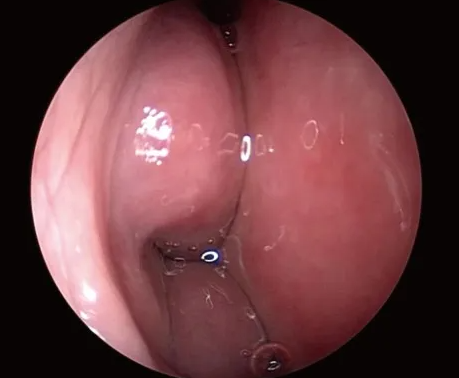
3. Nasal Obstruction
Chronic nasal blockage worsens sleep breathing.
4. Shift Work or Irregular Sleep Patterns
Disrupts circadian rhythm.
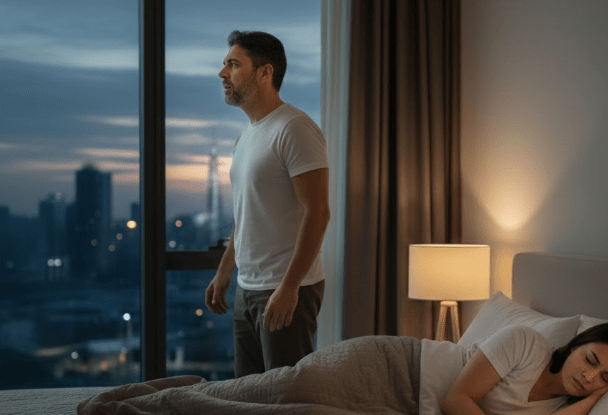
5. Alcohol or Sedative Use
Suppresses normal sleep architecture.

6. Other Medical Conditions
Including depression, thyroid disorders, or medication effects.
🚨 When Should You Worry About Daytime Sleepiness?
Seek ENT or medical assessment if:
- Sleepiness is daily and persistent
- You fall asleep unintentionally
- You feel sleepy while driving
- There is loud snoring or witnessed apnoea
- Morning headaches or poor concentration occur
These features strongly suggest sleep-related breathing disorder.
How an ENT Specialist Evaluates Excessive Daytime Sleepiness
ENT assessment focuses on identifying airway-related sleep disruption:
- Detailed sleep and work history
- Sleep questionnaires (e.g. Epworth Sleepiness Scale)
- Nose, throat, jaw, and neck examination
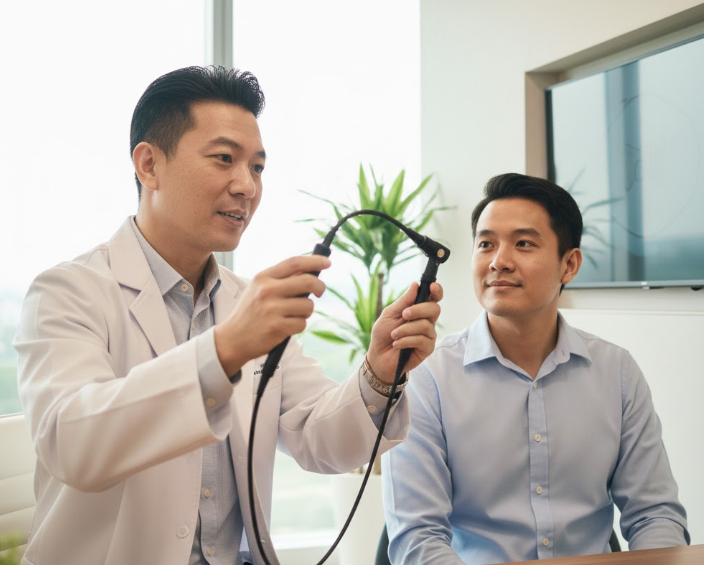
- Flexible nasoendoscopy to assess airway collapse
- Referral for sleep study when indicated
This ensures accurate diagnosis and avoids unnecessary medication.
Treatment Options
✅ Treat the Underlying Cause
- CPAP therapy for confirmed sleep apnoea
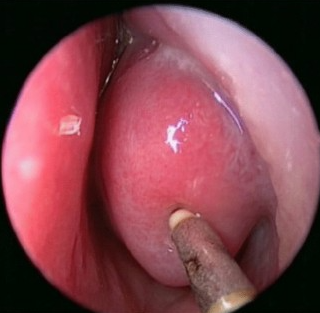
- Treatment of nasal obstruction
- Weight management
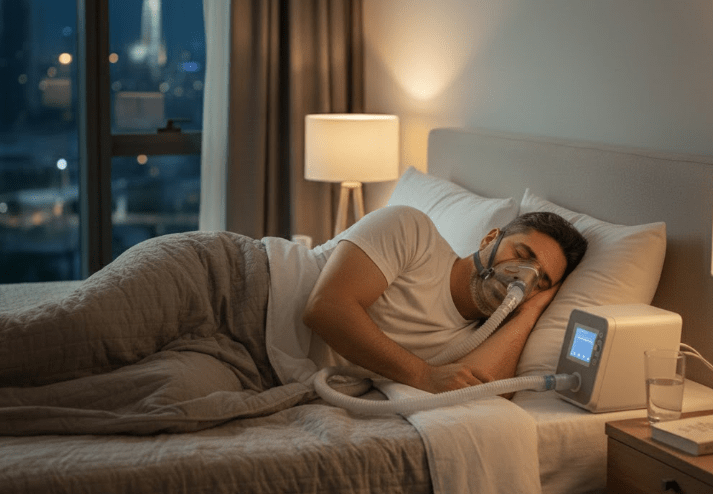
✅ Lifestyle Optimisation
- Regular sleep schedule
- Avoid alcohol before sleep
- Side-sleeping
✅ ENT-Directed Treatment (Selected Cases)
- Nasal surgery
- Airway surgery when appropriate
Effective treatment improves alertness, safety, and long-term health.
Frequently Asked Questions
Is daytime sleepiness normal with age?
No. Persistent sleepiness is not normal and needs evaluation.
Can sleep apnoea cause severe fatigue?
Yes. It is one of the most common causes.
Is coffee a solution?
Caffeine masks symptoms but does not treat the cause.
When Should You See an ENT Specialist in Kuala Lumpur?
Consult an ENT specialist if:
- You feel sleepy despite adequate sleep time
- Snoring or breathing pauses are present
- Sleepiness affects work or driving safety
Early ENT assessment prevents accidents and long-term complications.
👨⚕️ ENT Specialist’s Perspective
Excessive daytime sleepiness is a symptom, not a diagnosis. From an ENT perspective, the priority is identifying whether sleep fragmentation is caused by upper airway obstruction. Addressing the airway restores normal sleep physiology and improves overall health, rather than relying on stimulants or symptomatic treatment.
Reviewed by Dr Ameen, ENT Specialist, Kuala Lumpur





 Dr. Ameen, ENT Specialist in Kuala Lumpur