


Microsleep: Brief Sleep Episodes That Signal Dangerous Sleep Deprivation
Microsleep refers to very brief, involuntary episodes of sleep lasting a few seconds, often occurring without the person realising it. During microsleep, the brain momentarily shuts down, even though the eyes may remain open.
Microsleep is extremely dangerous, especially when it occurs while driving, working, or operating machinery. As an ENT specialist, I consider microsleep a strong indicator of severe sleep deprivation, most commonly caused by untreated obstructive sleep apnoea (OSA).
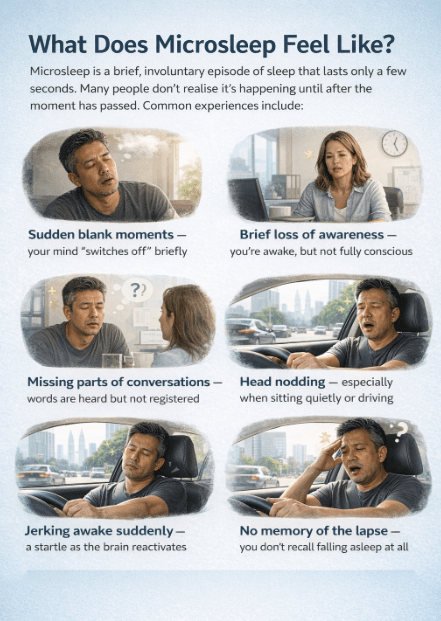
Why Does Microsleep Occur?
Microsleep happens when the brain is overwhelmed by sleep pressure.
Common causes include:
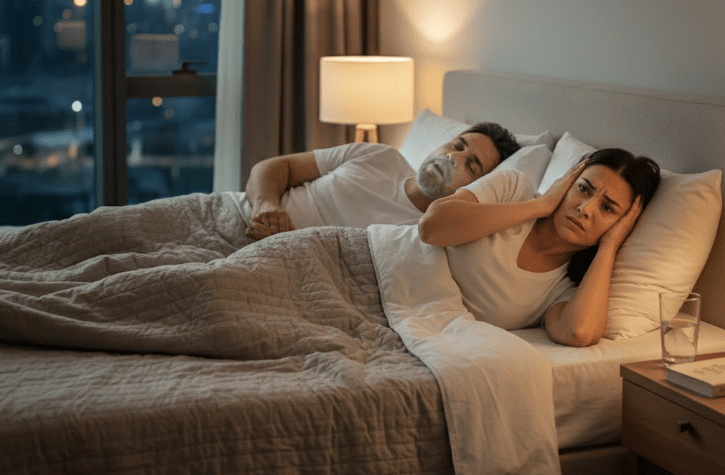
- Severe sleep fragmentation from sleep apnoea
- Loud snoring with repeated arousals
- Chronic sleep deprivation
- Night shift work
- Alcohol or sedative use
Among these, sleep apnoea is the most common medical cause.
🚨 Why Is Microsleep Dangerous?
Microsleep can lead to:
- Road traffic accidents
- Workplace injuries
- Near-miss incidents
- Reduced reaction time
- Poor decision-making

Many serious accidents occur without warning, as the individual may not realise they briefly fell asleep.
How an ENT Specialist Evaluates Microsleep
ENT assessment focuses on identifying sleep-disordered breathing:
- Detailed sleep and accident history
- Snoring and apnoea screening
- Daytime sleepiness assessment
- Nose, throat, jaw, and neck examination
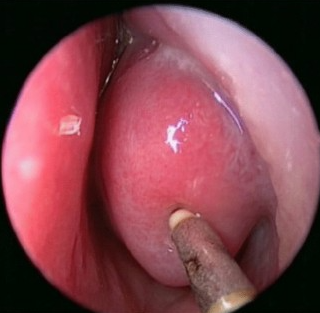
- Flexible nasoendoscopy
- Referral for sleep study
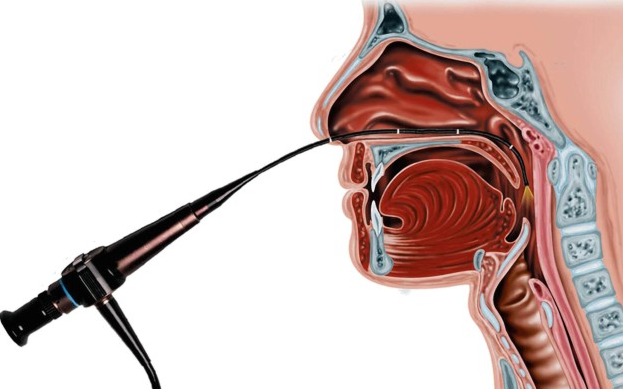
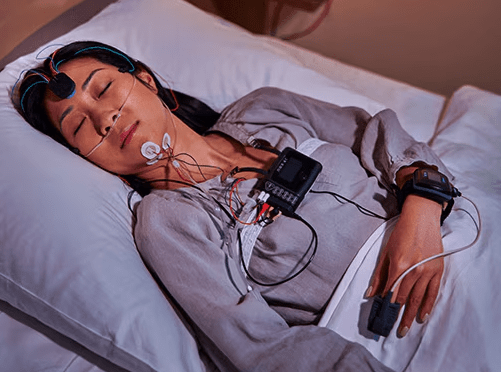
This helps confirm whether microsleep is linked to airway obstruction during sleep.
Treatment Options
✅ Treat the Underlying Cause
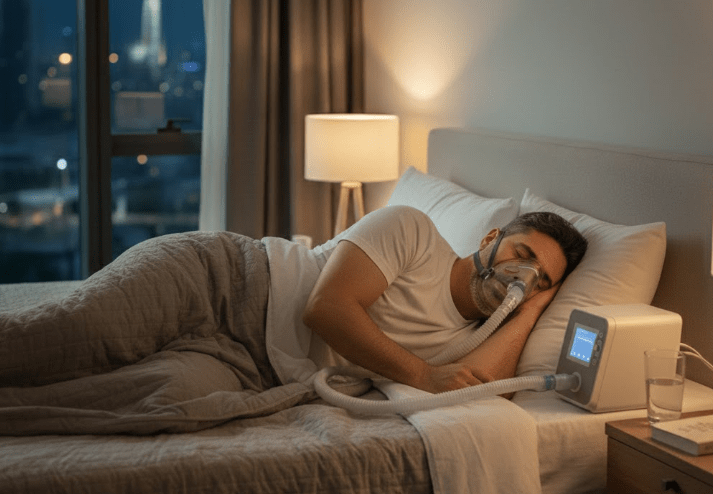
- CPAP therapy for confirmed OSA
- Treatment of nasal obstruction
- Weight reduction
✅ Safety Measures (Short Term)
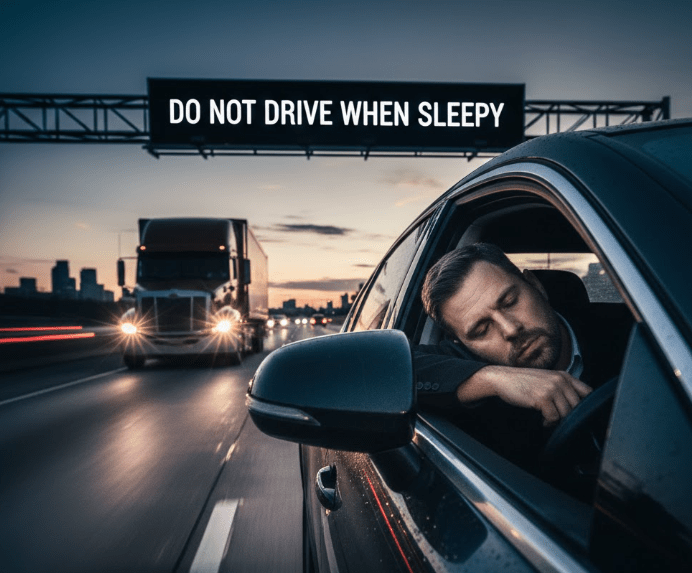
- Avoid driving when sleepy
- Take breaks during long journeys
- Avoid alcohol before sleep
Effective treatment often eliminates microsleep episodes completely.
Frequently Asked Questions
Is microsleep the same as being tired?
No. Microsleep involves brief, involuntary sleep.
Can microsleep happen with eyes open?
Yes. This makes it particularly dangerous.
Does coffee prevent microsleep?
No. It may delay but does not prevent it.
When Should You See an ENT Specialist in Kuala Lumpur?
Consult an ENT specialist urgently if:
- You experience blank moments
- You have near-miss accidents
- You snore loudly
- Someone reports breathing pauses
- You feel excessively sleepy during the day
Early assessment can prevent serious injury or death.

👨⚕️ ENT Specialist’s Perspective
Microsleep is a red-flag symptom of severe sleep disruption. From an ENT perspective, it often reflects untreated airway obstruction during sleep. Identifying and treating sleep apnoea not only improves alertness but can be life-saving.
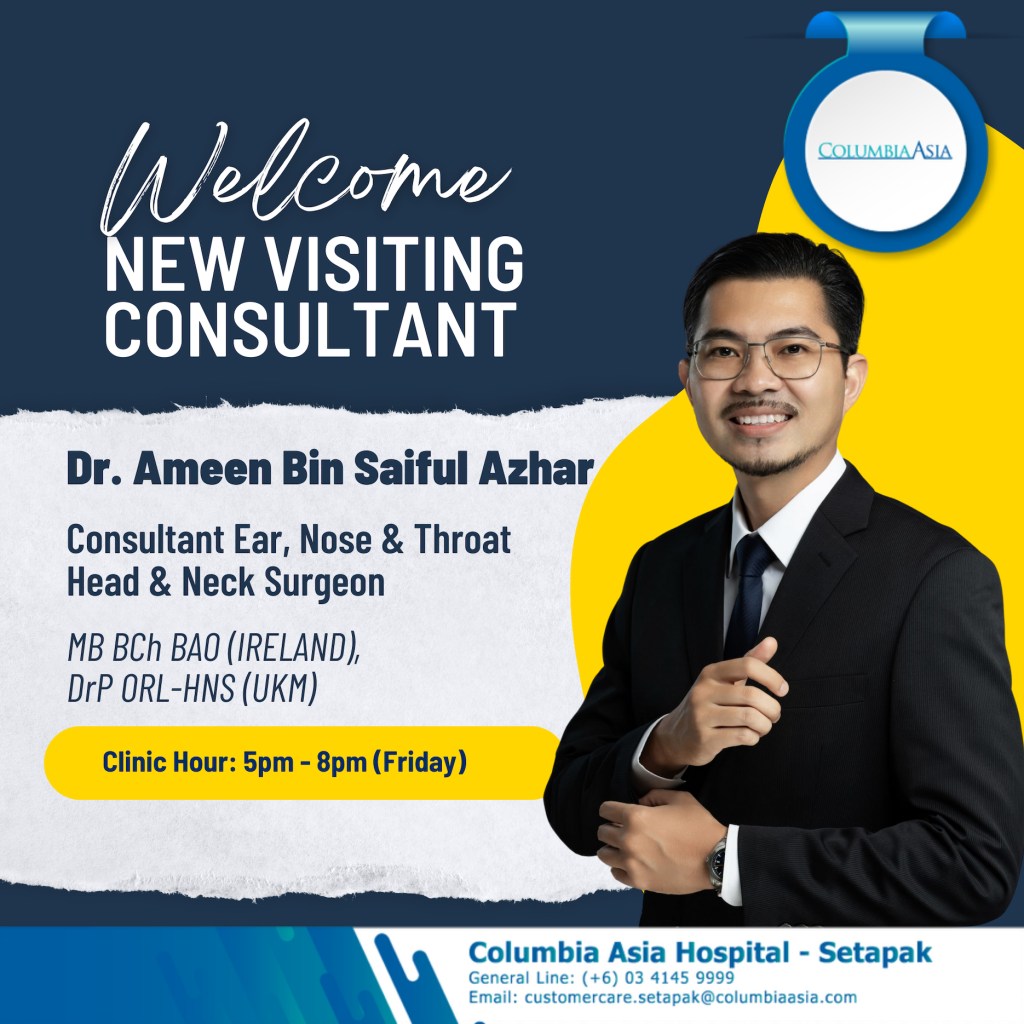
Reviewed by Dr Ameen, ENT Specialist, Kuala Lumpur



 Dr. Ameen, ENT Specialist in Kuala Lumpur