


Sleep Apnoea Symptoms: Snoring, Poor Sleep & Daytime Tiredness
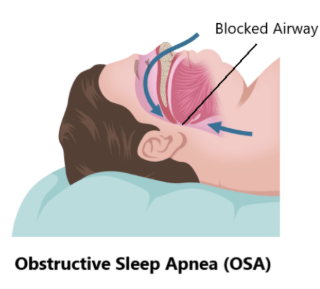
Sleep apnoea is a common but underdiagnosed sleep disorder where breathing repeatedly stops and starts during sleep. The most frequent type is obstructive sleep apnoea (OSA), caused by collapse of the upper airway.
Many patients think snoring and poor sleep are “normal.” In reality, untreated sleep apnoea increases the risk of high blood pressure, heart disease, stroke, diabetes, and road accidents. As an ENT specialist, I focus on identifying airway causes and guiding safe, effective treatment.
What Happens During Sleep Apnoea?
During sleep, the throat muscles relax. In susceptible individuals, the airway narrows or collapses, leading to:
- Breathing pauses (apnoea)
- Oxygen drops
- Brief awakenings (often unnoticed)
- Fragmented, non-restorative sleep
This cycle can repeat dozens to hundreds of times per night.
Common Symptoms of Sleep Apnoea
Night-Time Symptoms
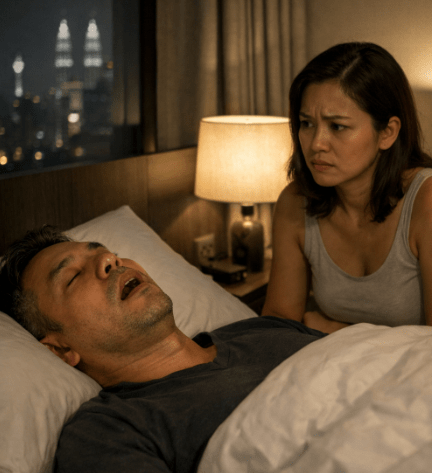
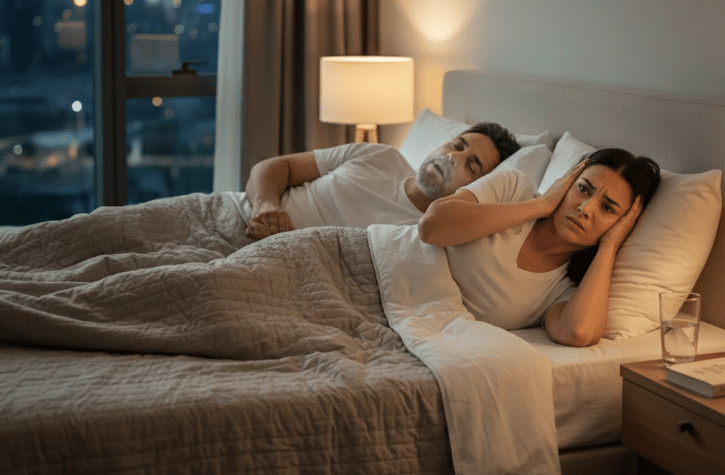
- Loud, habitual snoring
- Witnessed breathing pauses
- Gasping or choking during sleep
- Restless sleep
- Dry mouth on waking
Day-Time Symptoms
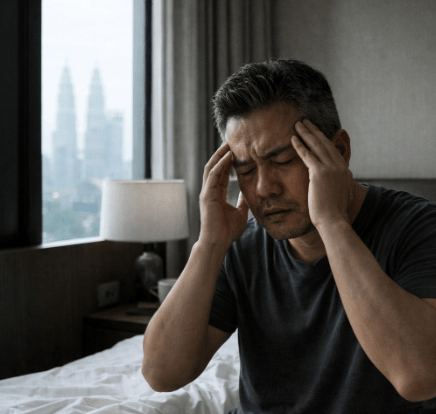
- Excessive daytime sleepiness
- Morning headaches
- Poor concentration and memory
- Irritability or low mood
- Reduced work performance
Who Is at Higher Risk?
- Overweight or obesity
- Large neck circumference
- Male gender
- Smoking or alcohol use
- Nasal obstruction or jaw anatomy issues
- Family history of sleep apnoea
🚨 When Is Sleep Apnoea Dangerous?
Seek urgent assessment if you have:
- Snoring with breathing pauses
- Severe daytime sleepiness
- High blood pressure despite treatment
- Morning headaches
- Near-miss accidents due to sleepiness
These features suggest moderate to severe OSA.
How an ENT Specialist Evaluates Sleep Apnoea
ENT evaluation focuses on airway anatomy and collapse pattern:
- Detailed sleep history and questionnaires
- Nose, mouth, jaw, and neck examination
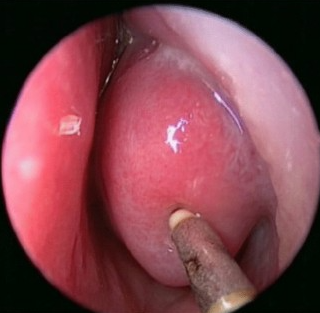
- Flexible nasoendoscopy (awake airway assessment)
- Referral for sleep study (home or lab)
- Correlation with imaging when indicated
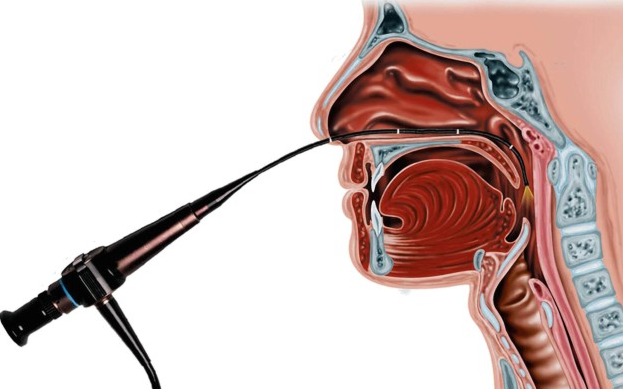
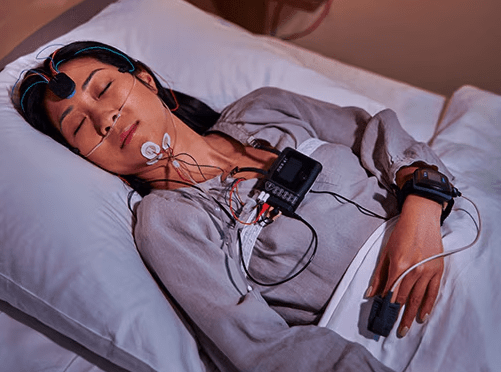
This ensures treatment targets the true obstruction site.
Treatment Options for Sleep Apnoea
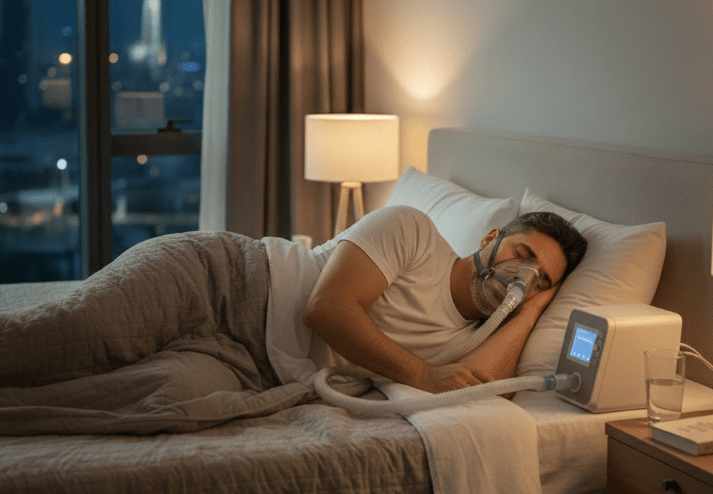
✅ CPAP Therapy (Gold Standard)
Keeps the airway open during sleep; most effective for moderate–severe OSA.
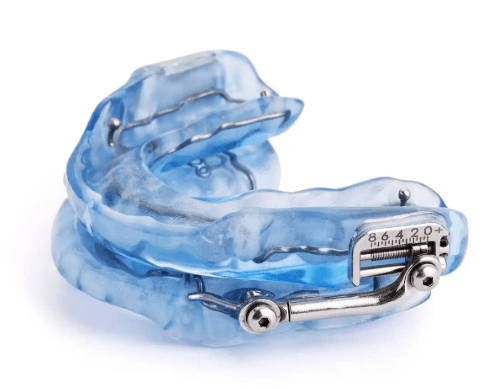
✅ Oral Appliances
Selected patients with mild–moderate OSA or jaw-related narrowing.
✅ ENT-Directed Treatment
- Nasal surgery (septoplasty/turbinate reduction)
- Palatal or airway surgery (selected cases)
- Weight-loss and lifestyle optimisation
Treatment is individualised, not one-size-fits-all.
Frequently Asked Questions
Is sleep apnoea the same as snoring?
No. Snoring can be harmless; sleep apnoea involves breathing pauses and health risks.
Can sleep apnoea be cured?
Many cases are well controlled; some improve significantly with targeted treatment.
Do I need a sleep study?
Yes, to confirm diagnosis and severity.
When Should You See an ENT Specialist in Kuala Lumpur?
Consult an ENT specialist if:
- Snoring is loud and nightly
- Your partner notices breathing pauses
- You feel unrefreshed despite long sleep
- Daytime sleepiness affects safety or work
Early assessment reduces long-term complications.
👨⚕️ ENT Specialist’s Perspective
Sleep apnoea is an airway disease with systemic consequences. From an ENT perspective, identifying the anatomical contributors is essential to personalise therapy—whether CPAP, oral devices, surgery, or combined approaches—so patients achieve safer sleep and better health.
Reviewed by Dr Ameen, ENT Specialist, Kuala Lumpur





 Dr. Ameen, ENT Specialist in Kuala Lumpur