


Snoring: Causes, Health Risks & ENT Treatment in Kuala Lumpur
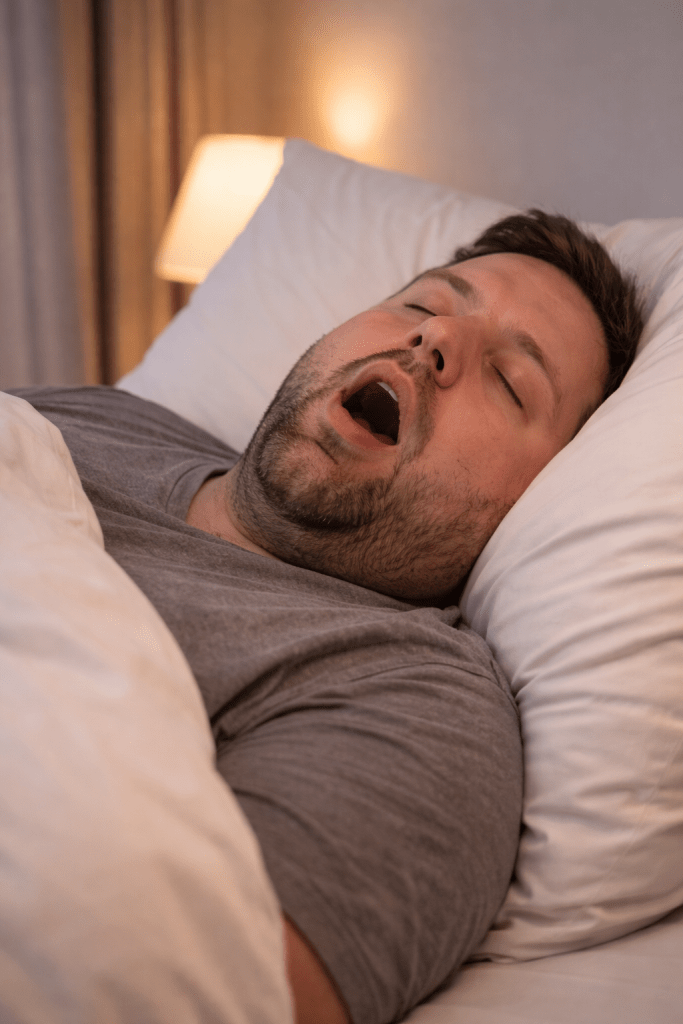
Snoring is more than just a noisy sleep habit. It occurs when airflow through the nose and throat becomes partially blocked during sleep, causing surrounding tissues to vibrate. While occasional snoring may be harmless, persistent or loud snoring can signal underlying airway problems and, in some cases, sleep apnoea.
As an ENT specialist, I frequently see patients who seek help only after their snoring begins to affect relationships, sleep quality, work performance, or health. Early assessment can prevent long-term complications.
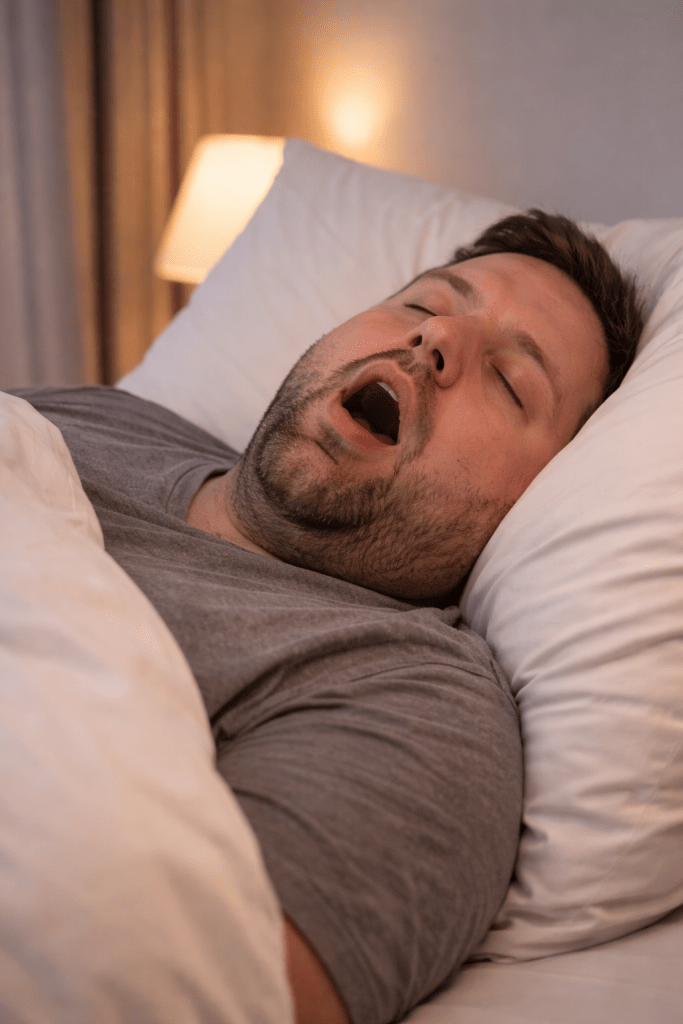
What Does Snoring Indicate?
Snoring often reflects:
- Narrowed upper airway
- Nasal obstruction
- Throat tissue collapse during sleep
- Reduced muscle tone during deep sleep
Snoring may occur every night or intermittently, and may worsen with alcohol, weight gain, or nasal congestion.
Common Causes of Snoring
1. Nasal Blockage
- Deviated nasal septum
- Allergic rhinitis
- Sinus disease
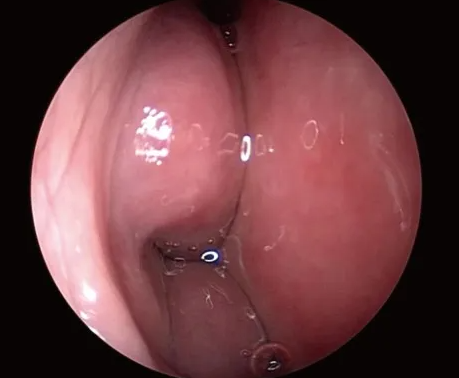
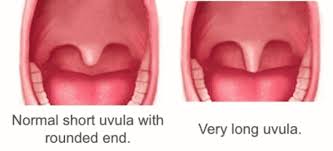
2. Enlarged Soft Palate or Uvula
Excess throat tissue vibrates during breathing.
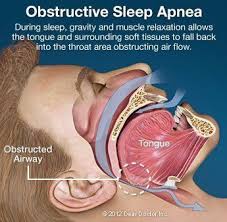
3. Tongue Collapse During Sleep
More common when sleeping on the back.
4. Obesity
Fat deposits narrow the airway.
5. Alcohol or Sedative Use
Reduces throat muscle tone.

6. Sleep Apnoea
Snoring with breathing pauses is a medical condition, not just noise.
🚨 When Is Snoring a Health Risk?
Seek ENT review urgently if snoring is associated with:
- Breathing pauses during sleep
- Gasping or choking at night
- Excessive daytime sleepiness
- Morning headaches
- Poor concentration
- High blood pressure
These may indicate obstructive sleep apnoea (OSA).
How an ENT Specialist Evaluates Snoring
ENT assessment includes:
- Detailed sleep history
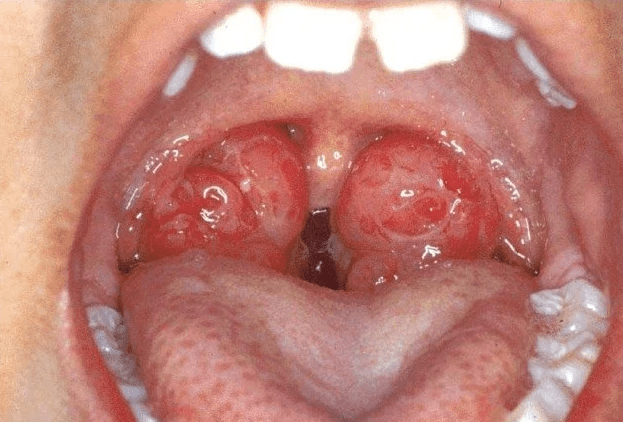
- Nose, mouth, and throat examination
- Flexible nasoendoscopy to assess airway collapse
- Sleep questionnaires
- Referral for sleep study if apnoea is suspected
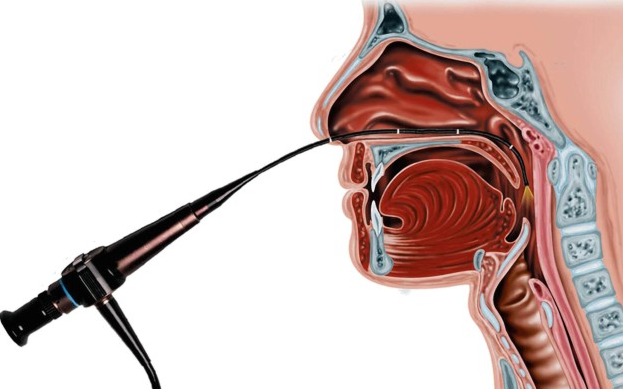
This identifies where and why the airway is narrowing.
Treatment Options for Snoring
✅ Lifestyle Measures
- Weight management
- Sleep position modification
- Avoid alcohol before sleep

✅ Medical Treatment
- Nasal sprays for allergy
- Treatment of sinus disease
- Weight loss pill

✅ Device-Based Therapy
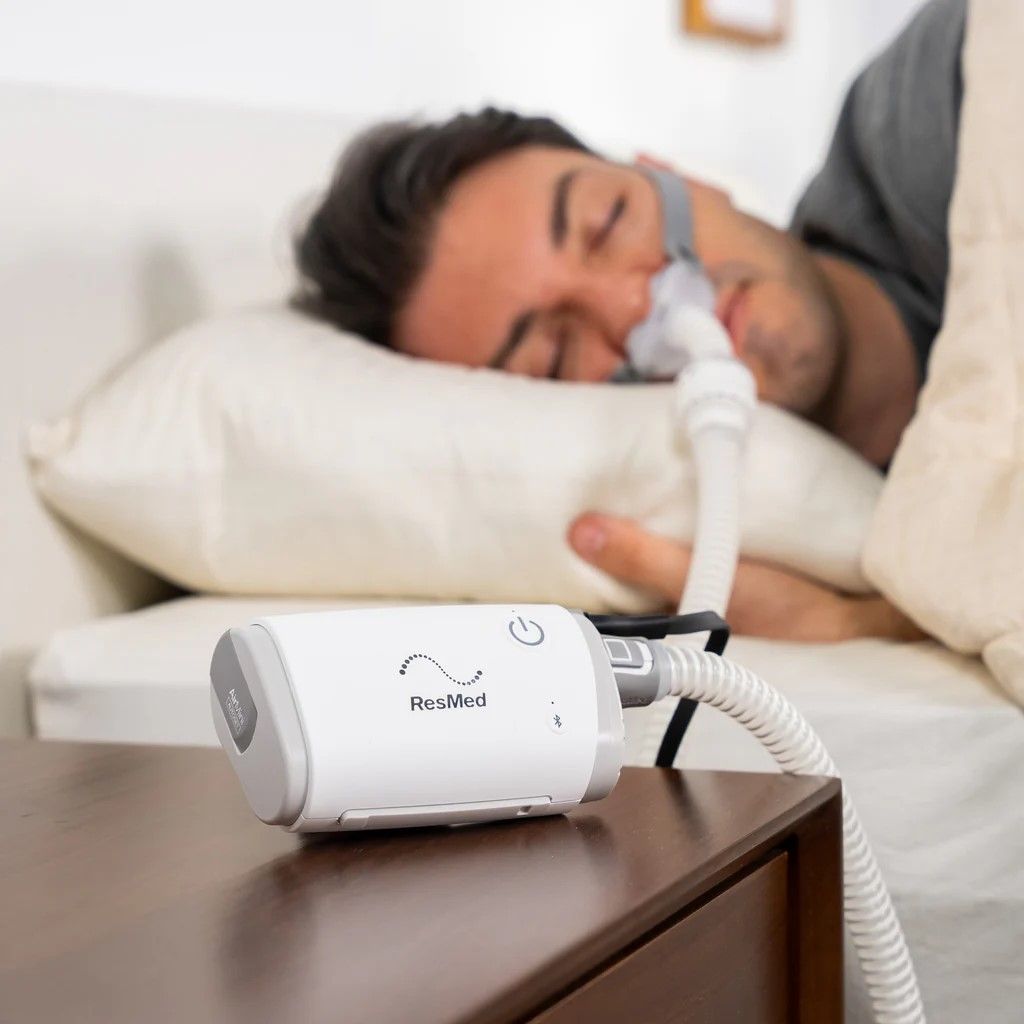
- CPAP (for sleep apnoea)
- Oral appliances (selected cases)
✅ Surgical Treatment (Selected Cases)
- Nasal surgery
- Palatal procedures
- Airway-targeted surgery
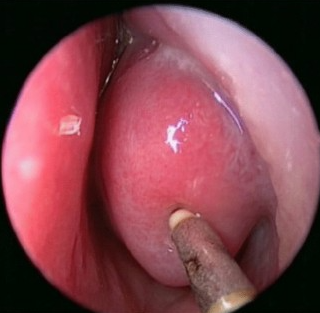
Treatment is individualised, based on anatomy and severity.
Frequently Asked Questions
Q: Is snoring normal?
Occasional snoring can be normal, but habitual snoring is not.
Q: Can snoring damage health?
Yes, especially if linked to sleep apnoea.
Q: Will surgery cure snoring?
Only when the cause is clearly identified.
When Should You See an ENT Specialist in Kuala Lumpur?
Consult an ENT specialist if:
- Snoring is loud or persistent
- Your partner notices breathing pauses
- You wake unrefreshed
- Snoring affects work or relationships
ENT assessment allows safe diagnosis and targeted treatment.
👨⚕️ ENT Specialist’s Perspective
From an ENT perspective, snoring is a structural airway problem, not merely a lifestyle issue. Identifying the exact site of obstruction allows effective treatment and helps prevent progression to obstructive sleep apnoea and its cardiovascular risks.
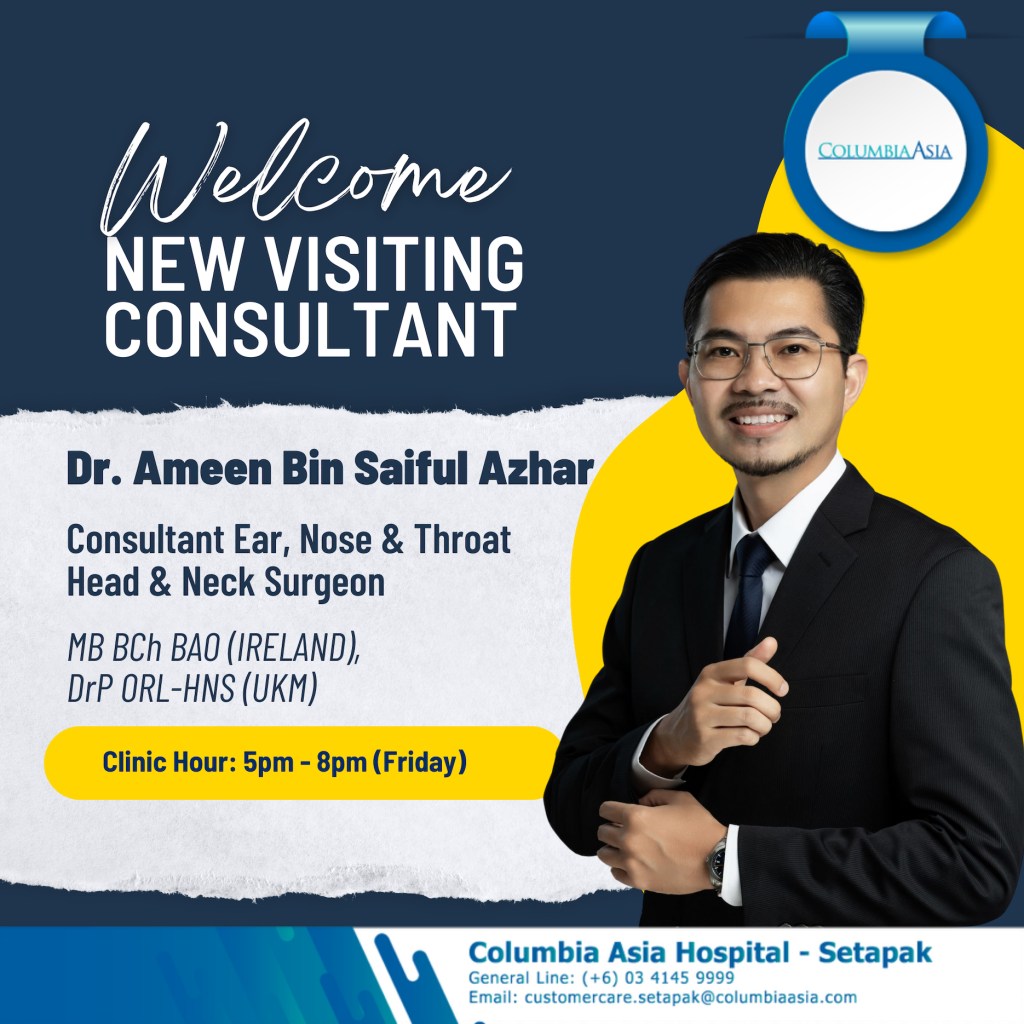
Reviewed by Dr Ameen, ENT Specialist, Kuala Lumpur






 Dr. Ameen, ENT Specialist in Kuala Lumpur