


Causes, Treatment & When to See an ENT Specialist
Tinnitus refers to the perception of sound in the ear or head when no external sound is present. It is commonly described as ringing, buzzing, humming, or hissing. Tinnitus can affect one or both ears and may be constant or intermittent.
While many people live with tinnitus quietly, persistent symptoms can affect sleep, concentration, work performance, and emotional wellbeing. As an ENT specialist, I frequently see patients who assume nothing can be done. In reality, proper assessment often identifies treatable causes and effective management strategies.
What Does Tinnitus Feel Like?
Patients describe tinnitus as:
- Ringing or buzzing sounds
- High-pitched whistling
- Pulsating or rhythmic noise
- Humming or roaring
- Worse in quiet environments
- More noticeable at night
Tinnitus severity varies greatly between individuals.
Common Causes of Tinnitus
1. Hearing Loss
Age-related or noise-induced hearing loss is the most common cause.

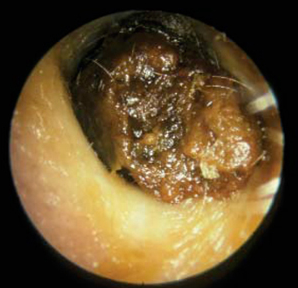
2. Earwax Blockage
Impacted wax can irritate the ear canal and eardrum.
3. Noise Exposure
Loud music, machinery, or explosions may damage hearing cells.

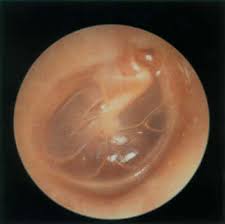
4. Middle Ear Problems
Infections, fluid, or eardrum disorders.
5. Medications
Certain antibiotics, chemotherapy drugs, or high-dose aspirin.

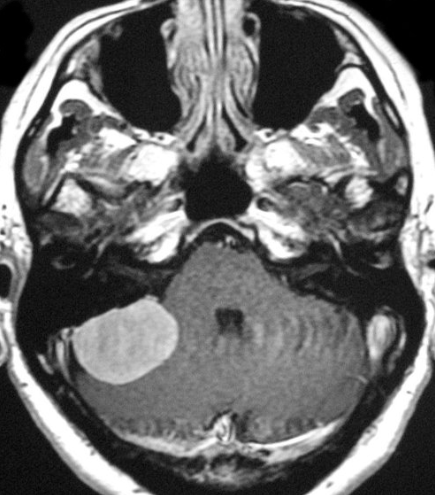
6. Rare Causes
Tumours, vascular problems, or neurological conditions (usually one-sided tinnitus).
🚨 When Should You Worry About Tinnitus?
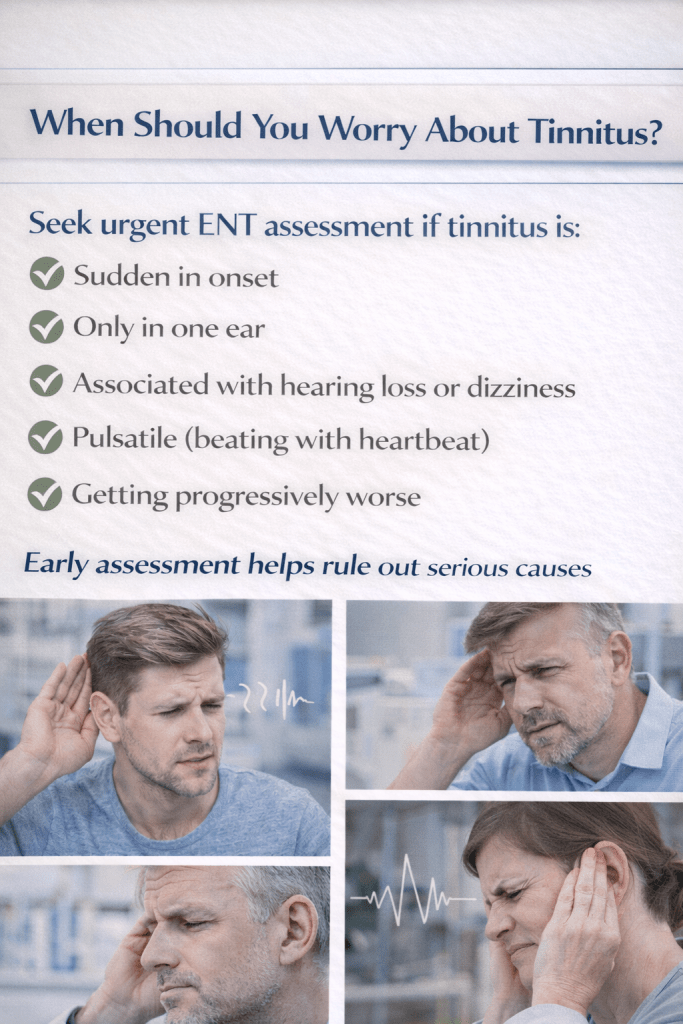
Seek urgent ENT assessment if tinnitus is:
- Sudden in onset
- Only in one ear
- Associated with hearing loss or dizziness
- Pulsatile (beating with heartbeat)
- Getting progressively worse
Early assessment helps rule out serious causes.
How an ENT Specialist Evaluates Tinnitus
ENT evaluation includes:
- Detailed symptom history
- Ear examination
- Hearing tests (audiometry)
- Tympanometry
- Imaging (CT/MRI) when indicated

This helps identify reversible or treatable causes.
Treatment Options for Tinnitus
✅ Treat Underlying Cause
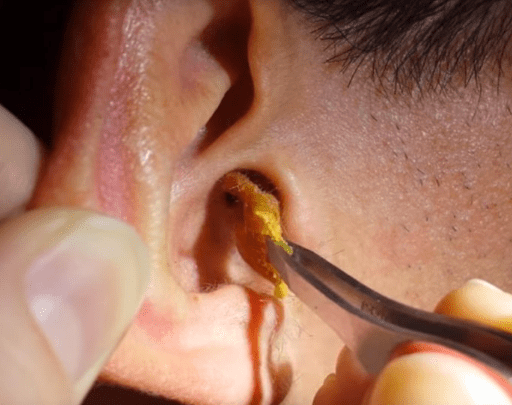
- Wax removal
- Infection treatment
- Medication adjustment
✅ Sound Therapy
- White noise
- Background sound machines

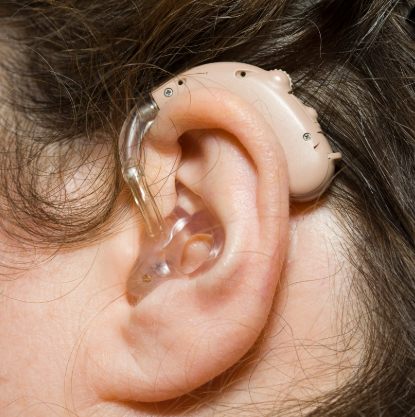
✅ Hearing Aids
- Reduce tinnitus perception in hearing loss patients
✅ Counselling & Habituation Therapy
- Cognitive behavioural therapy (CBT)
- Tinnitus retraining therapy (TRT)

No single cure fits all – treatment is individualised.
Frequently Asked Questions (FAQ)
Q: Is tinnitus permanent?
Not always. Many cases improve with treatment.
Q: Can stress worsen tinnitus?
Yes. Stress and fatigue can amplify symptoms.
Q: Should I worry if only one ear rings?
Yes. One-sided tinnitus requires ENT assessment.
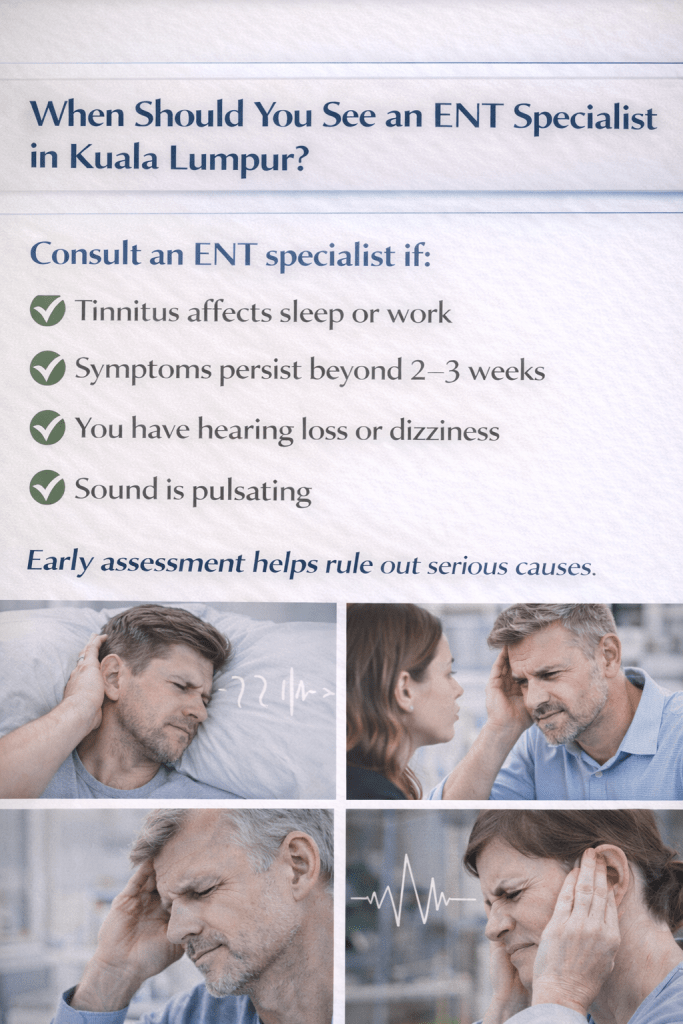
When Should You See an ENT Specialist in Kuala Lumpur?
Consult an ENT specialist if:
- Tinnitus affects sleep or work
- Symptoms persist beyond 2–3 weeks
- You have hearing loss or dizziness
- Sound is pulsating
Proper evaluation ensures safe and targeted management.
👨⚕️ ENT Specialist’s Perspective
Tinnitus should never be dismissed as “nothing can be done.” From an ENT perspective, identifying the underlying cause is essential. Early evaluation improves symptom control, reduces anxiety, and prevents missed serious conditions.
Reviewed by Dr Ameen, ENT Specialist, Kuala Lumpur

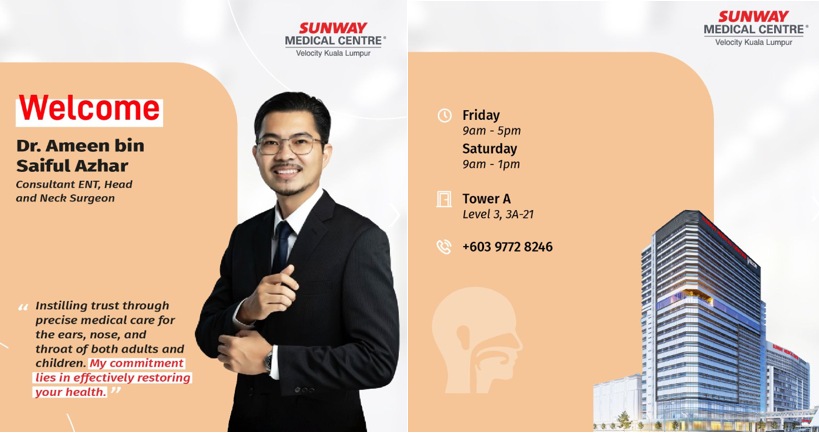
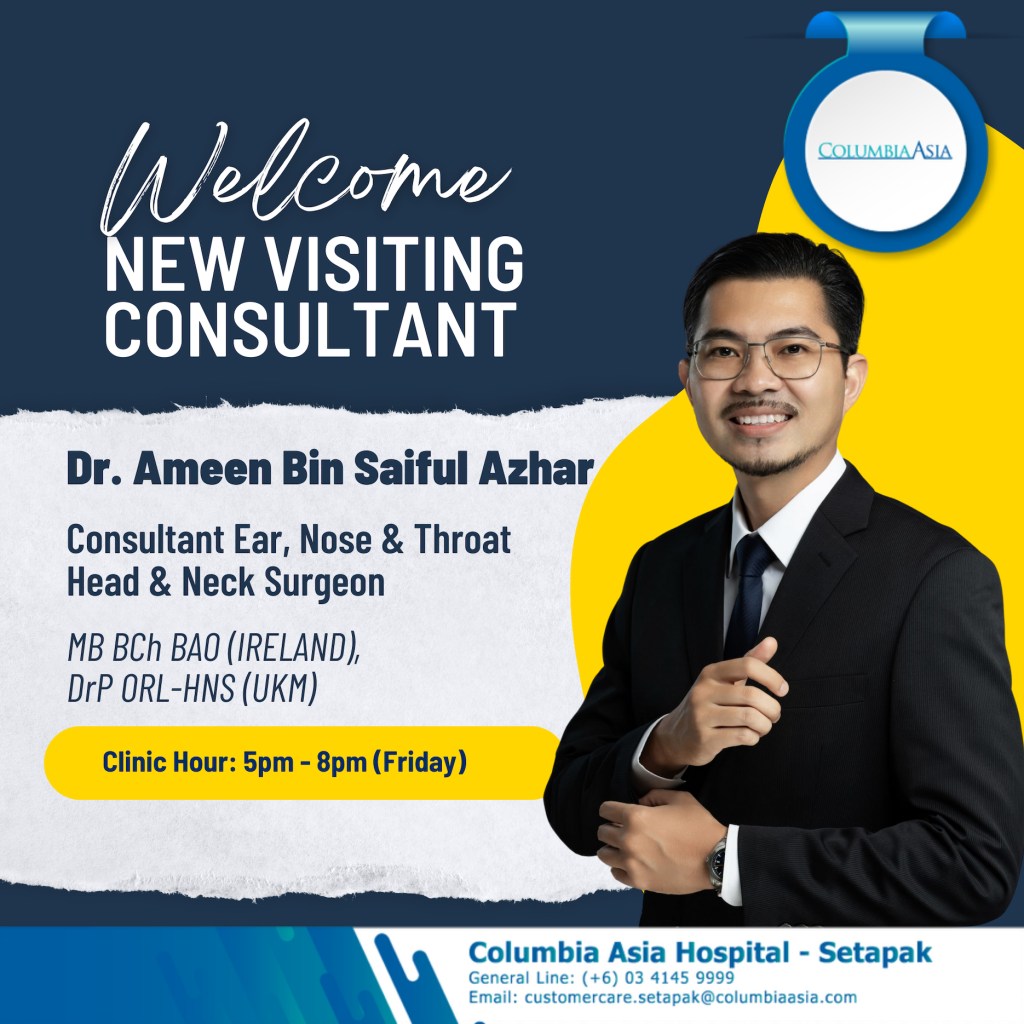







 Dr. Ameen, ENT Specialist in Kuala Lumpur