


Vertigo & Dizziness: Inner Ear Causes and When to See an ENT Specialist
Vertigo is a type of dizziness where you feel that you or your surroundings are spinning. Many patients use the term “dizzy” to describe light-headedness, imbalance, or spinning sensations. However, true vertigo often originates from the inner ear balance system.
As an ENT specialist, I frequently see patients who suffer for months thinking their symptoms are due to low blood pressure or stress, when the real problem lies within the ear. Proper diagnosis is essential because ear-related vertigo is often treatable.
What Does Vertigo Feel Like?
Patients commonly describe:
- Spinning sensation
- Feeling pulled to one side
- Nausea or vomiting
- Unsteadiness while walking
- Symptoms triggered by head movement
- Fear of falling
Vertigo episodes may last seconds, minutes, hours, or days depending on the cause.
Common Ear-Related Causes of Vertigo
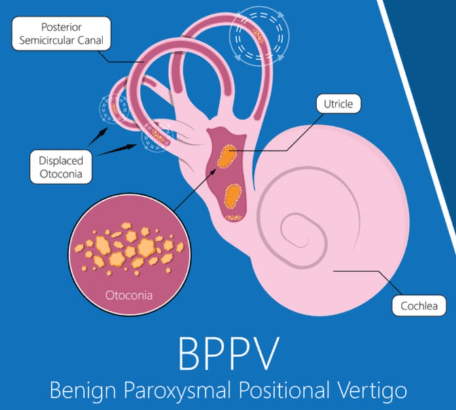
1. Benign Paroxysmal Positional Vertigo (BPPV)
The most common cause. Triggered by rolling in bed or looking up.
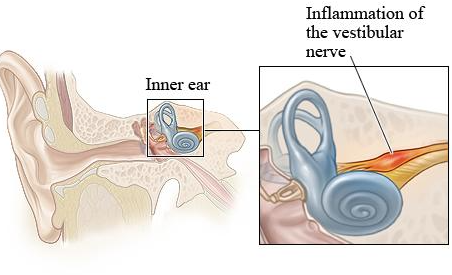
2. Vestibular Neuritis / Labyrinthitis
Inner ear nerve inflammation, often after viral infection.
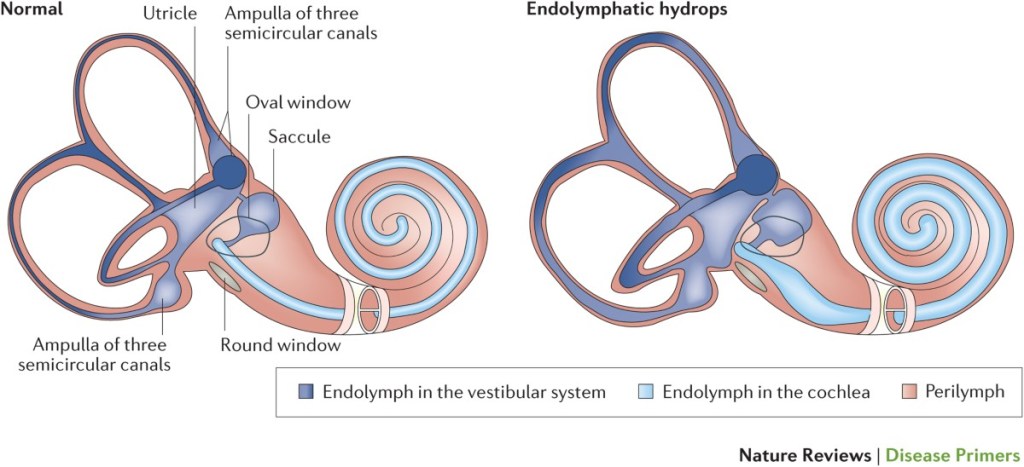
3. Ménière’s Disease
Characterised by:
- Vertigo
- Ear fullness
- Tinnitus
- Fluctuating hearing loss
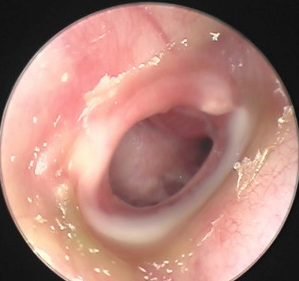
4. Middle Ear Disease
Chronic infections or cholesteatoma may affect balance.
5. Non-Ear Causes (Often Confused)
- Low blood pressure
- Migraine
- Anxiety
Correct diagnosis is crucial.

🚨 When Should You Worry About Vertigo?
Seek urgent ENT or medical review if vertigo is:
- Sudden and severe
- Associated with weakness, slurred speech, facial droop
- Accompanied by double vision
- Persistent beyond 48 hours
- Associated with new hearing loss
These may indicate neurological emergencies.
How an ENT Specialist Evaluates Vertigo
ENT assessment includes:
- Detailed history
- Balance and eye movement tests
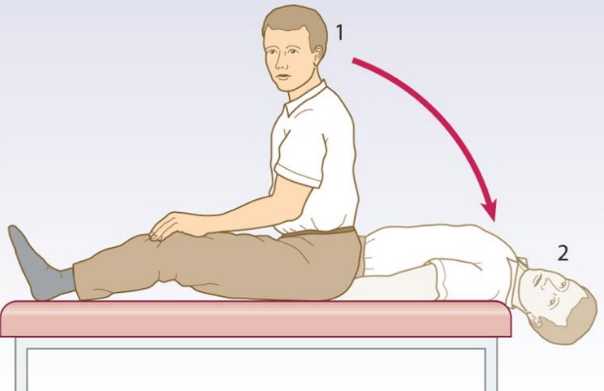
- Dix-Hallpike test for BPPV
- Hearing test
- Imaging (CT/MRI) when indicated
This differentiates ear causes from brain causes.
Treatment Options for Vertigo
✅ BPPV Treatment
- Canalith repositioning manoeuvres (Epley manoeuvre)
✅ Medical Treatment
- Short-term anti-vertigo medication
- Anti-nausea medication
✅ Vestibular Rehabilitation
- Balance exercises
✅ Disease-Specific Treatment
- Ménière’s disease control
- Infection treatment
Treatment depends on exact diagnosis.
Frequently Asked Questions (FAQ)
Q: Is vertigo dangerous?
Most ear-related vertigo is not life-threatening but needs treatment.
Q: Can vertigo go away on its own?
Some types resolve, but many recur without treatment.
Q: Should I rest in bed during vertigo?
Short rest is fine, but early movement helps recovery.
When Should You See an ENT Specialist in Kuala Lumpur?
Consult an ENT specialist if:
- Vertigo keeps recurring
- You feel unsafe walking
- Symptoms affect work or driving
- Hearing symptoms accompany dizziness
ENT assessment ensures correct diagnosis and targeted treatment.
👨⚕️ ENT Specialist’s Perspective
Vertigo is often misdiagnosed. From an ENT standpoint, identifying whether dizziness originates from the inner ear or brain is critical. Proper bedside tests and hearing evaluation allow accurate diagnosis and effective treatment, preventing unnecessary scans and long-term medication.
Reviewed by Dr Ameen, ENT Specialist, Kuala Lumpur










 Dr. Ameen, ENT Specialist in Kuala Lumpur