


Introduction
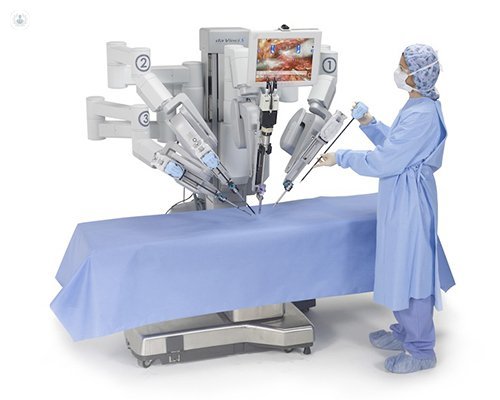
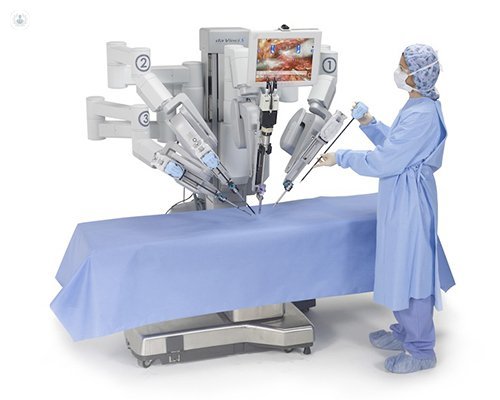
Robotic-assisted surgery has revolutionized various medical specialties, and the field of Ear, Nose, and Throat (ENT) surgery is no exception. Robotic ENT surgery brings forth a new era of precision, enhanced visualization, and improved patient outcomes. By seamlessly integrating cutting-edge technology with the expertise of skilled surgeons, this innovative approach offers numerous benefits that are transforming the way we treat ENT conditions.
The Rise of Robotic ENT Surgery
Traditional ENT surgery techniques have been effective over the years, but they often come with limitations, such as limited access and dexterity within the confined spaces of the head and neck region. However, with the advent of robotic systems, these challenges have been addressed, leading to a significant advancement in the field.
The most widely used robotic system in ENT surgery is the da Vinci Surgical System. This sophisticated platform enables surgeons to perform complex procedures with unparalleled precision and control, utilizing minimally invasive techniques.
Advantages of Robotic ENT Surgery
- Enhanced Visualization: One of the primary advantages of robotic ENT surgery is the high-definition 3D visualization provided by the robotic system. Surgeons can see the surgical site in greater detail, allowing for more accurate assessments and precise maneuvering of surgical instruments.
- Improved Dexterity: Robotic arms possess a wide range of motion, which enables surgeons to access and operate in hard-to-reach areas with greater ease. This enhanced dexterity minimizes the risk of damage to surrounding healthy tissues and nerves.
- Reduced Trauma and Scarring: Robotic-assisted procedures are minimally invasive, involving smaller incisions than traditional surgery. As a result, patients experience reduced trauma, less postoperative pain, and minimal scarring, leading to faster recovery times.
- Decreased Blood Loss: The precision of robotic systems in cauterizing blood vessels during surgery results in significantly reduced intraoperative bleeding, further promoting patient safety and improved outcomes.
- Shorter Hospital Stays: Due to the minimally invasive nature of robotic ENT surgery, patients typically spend less time in the hospital compared to traditional open surgeries, allowing them to return to their daily routines sooner.
Applications of Robotic ENT Surgery
Robotic-assisted technology has found applications in a wide range of ENT procedures, including:
a. Transoral Robotic Surgery (TORS): This technique is commonly used for removing tumors in the mouth, throat, and voice box. TORS allows surgeons to access these areas through the mouth, avoiding the need for external incisions.
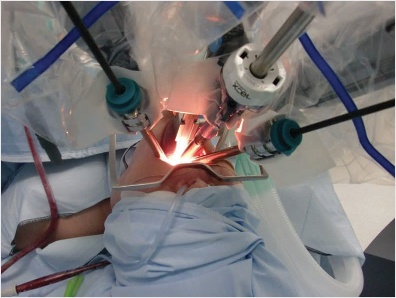
b. Endoscopic Sinus Surgery: Robotic systems provide ENT surgeons with exceptional control and visibility during sinus procedures, enabling the removal of polyps and correction of structural issues with greater accuracy.
c. Thyroid and Parathyroid Surgery: Robotic systems have been successfully utilized in thyroid and parathyroid surgeries, where precise dissection in the delicate neck region is essential.
d. Sleep Apnea Surgery: Robotic ENT surgery has proven effective in treating sleep apnea by removing excess tissue that obstructs the airway.
The Future of Robotic ENT Surgery
As technology continues to evolve, we can expect even more impressive advancements in robotic ENT surgery. Improvements in AI-driven algorithms, haptic feedback, and augmented reality integration may further enhance the surgeon’s capabilities, leading to more personalized and efficient treatments.
Conclusion
Robotic ENT surgery represents a remarkable leap forward in the field of otolaryngology, pushing the boundaries of what was once thought possible. By combining the skill of surgeons with cutting-edge robotic systems, patients benefit from reduced complications, shorter recovery times, and improved overall outcomes. As technology progresses, robotic ENT surgery is poised to play an increasingly significant role in shaping the future of medical practice and patient care.
KOMEN SAYA:
Transoral Robotic ENT Surgeri adalah agak baru di Malaysia, niche dia agak kecil (indikasi untuk pembedahan amat kecil dan kes agak selektif) dan kemahiran menggunakan robot untuk ENT surgeri amat kurang. Ini kerana harga robot da vinci amat mahal, peruntukan untuk mengendalikan dan maintenance robot juga agak mahal. Beberapa centre di Malaysia yang melakukan pembedaham robotik (jika tidak silap saya) ialah UiTM Specialist Centre dan Gleneagles KL. Robotik ENT surgeri dapat mengendalikan kes-kes kecil oropharynx tumour seperti tumour pangkal lidah dengan lebih teliti tanpa morbiditi yang besar. Sudah tentu pesakit akan lebih gembira dengan outcome yang lebih baik.
Sila tonton video di bawah untuk ketahui Robotic ENT surgeri dengan lebih lanjut 😁









 Dr. Ameen, ENT Specialist in Kuala Lumpur
Leave a comment