


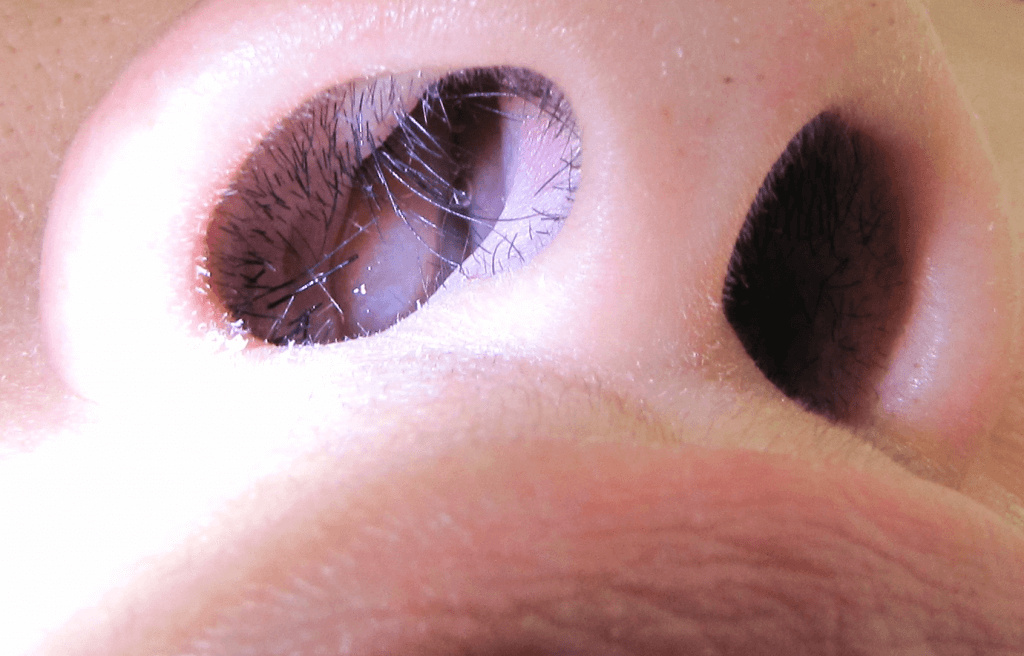
Lets have a quick look at the outcome of this paper

ABSTRACT
Objectives
The aim of this study was to compare the effect of steroid-impregnated spacers to that of conventional management after endoscopic sinus surgery (ESS) in patients with chronic rhinosinusitis (CRS).
Methods
Six databases were searched from inception until November 2022. Sixteen studies were found that compared the improvement of chronic sinusitis-related symptoms and postoperative outcomes between a steroid-impregnated spacer group and a control group (non-steroid-impregnated spacers). The Cochrane risk of bias tool (for randomized controlled studies) and the Newcastle-Ottawa Scale (for non-randomized controlled studies) were used to assess the quality of the works included.
Results
Regarding the endoscopic findings, the degree of mucosal edema, ethmoid inflammation, crust formation at 2–3 months postoperatively, nasal discharge, polyposis, and scarring/synechia were significantly lower in the steroid-impregnated spacer group. The steroid-impregnated spacer group also showed significantly lower Lund–Kennedy scores and perioperative sinus endoscopy scores than the control group at 2–3 weeks postoperatively. Furthermore, the steroid-impregnated spacer group had lower rates of adhesions, middle turbinate lateralization, polypoid changes, the need for oral steroid use, the need for postoperative therapeutic interventions, and lysis of adhesions than controls. However, no significant between-group differences were found in short-term (2–3 weeks postoperatively) endoscopic findings regarding nasal discharge, postoperative crusting, polyposis, or scarring/synechia.
Conclusion
Steroid-impregnated nasal packing reduced the rates of postoperative intervention and recurrent polyposis and inflammation in CRS patients undergoing ESS.
KOMEN SAYA:
Seperti yang saya jangkakan, steroid impregnated nasal spacers akan menghasilkan satu keputusan yang amat baik (kurang komplikasi, luka cepat pulih) untuk pesakit nasal polyps selepas pembedahan lebih-lebih lagi pada 2-3 bulan selepas operation. Ini telah dibuktikan dalam kajian di atas.
Oleh itu, saranan saya untuk pakar-pakar ENT lain, anda boleh mempertimbangkan untuk meletakkan Steroid spacers sebagai langkah-langkah penjagaan post-operative yang lebih baik untuk pesakit.
Pesakit happy, doktornya pun happy 🙂









 Dr. Ameen, ENT Specialist in Kuala Lumpur
Leave a comment