


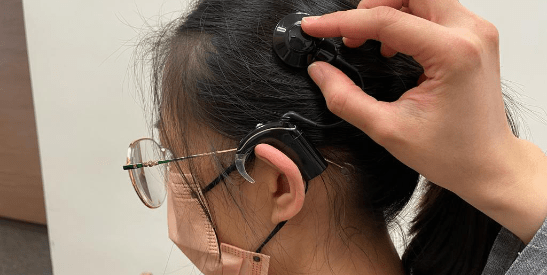
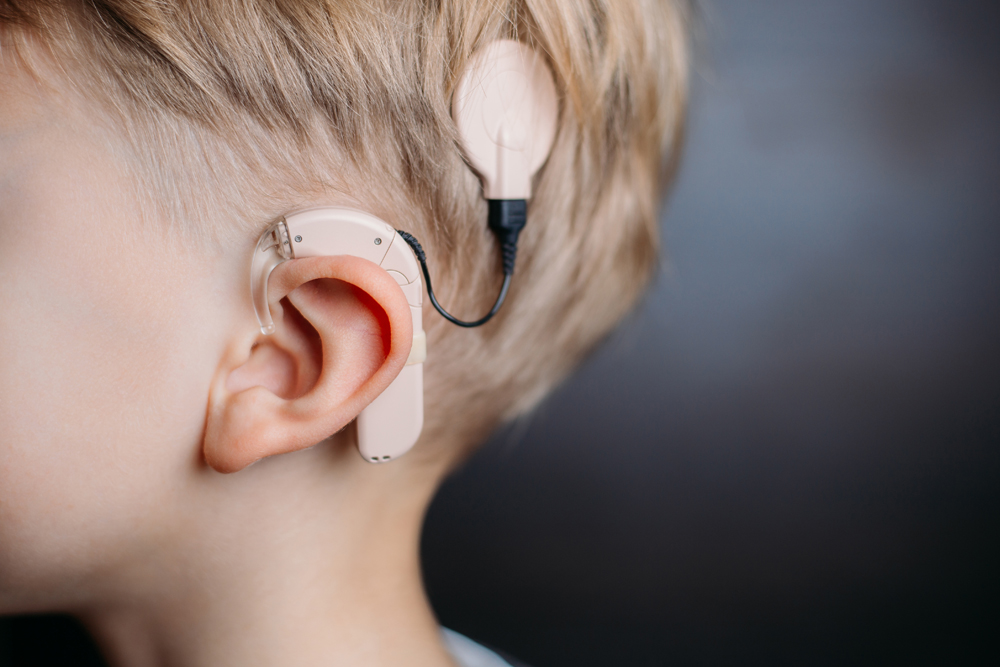
In recent years, the field of cochlear implant (CI) technology has witnessed remarkable advancements, revolutionizing the way individuals with hearing loss experience the world around them. These cutting-edge devices have transformed the lives of millions, offering renewed hope and opportunities for those who were once limited by their hearing impairments.
This article aims to explore the latest breakthroughs in cochlear implant technology, shedding light on the incredible progress made and the impact it has on the lives of individuals with hearing loss.

Understanding Cochlear Implants
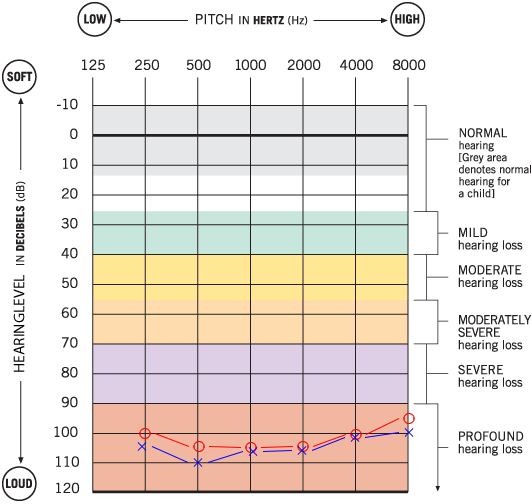
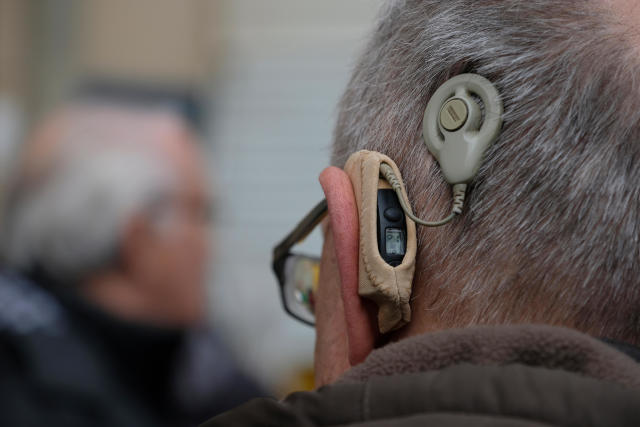
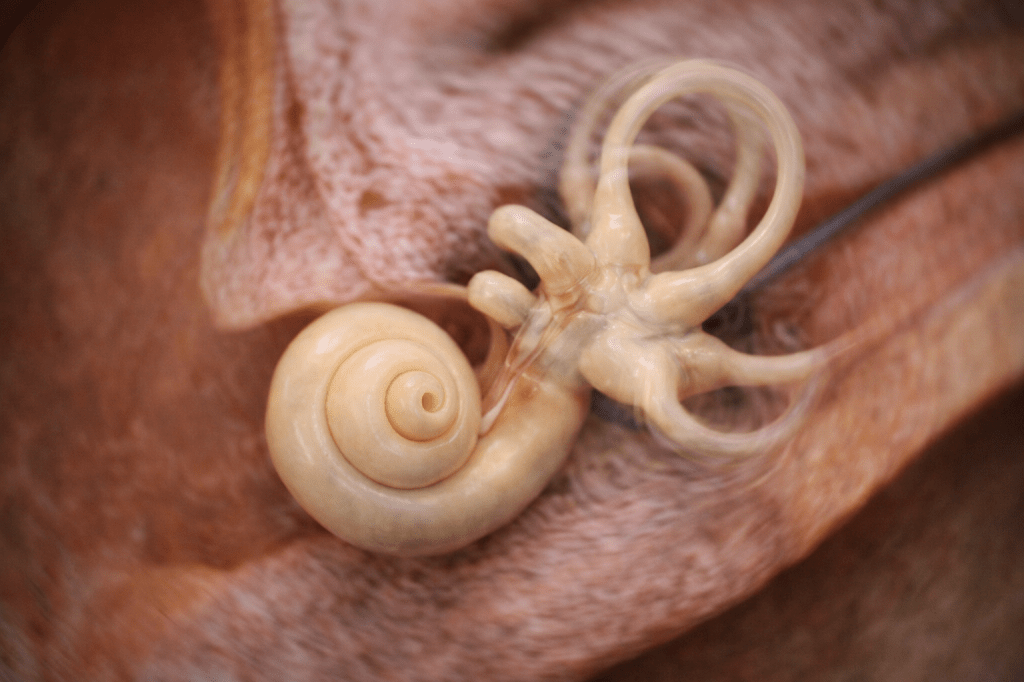
A cochlear implant is a surgically implanted electronic device that provides a sense of sound to individuals with severe to profound hearing loss. Unlike hearing aids, which amplify sound, cochlear implants bypass damaged parts of the inner ear and directly stimulate the auditory nerve, allowing individuals to perceive sound signals.

The Evolution of Cochlear Implant Technology
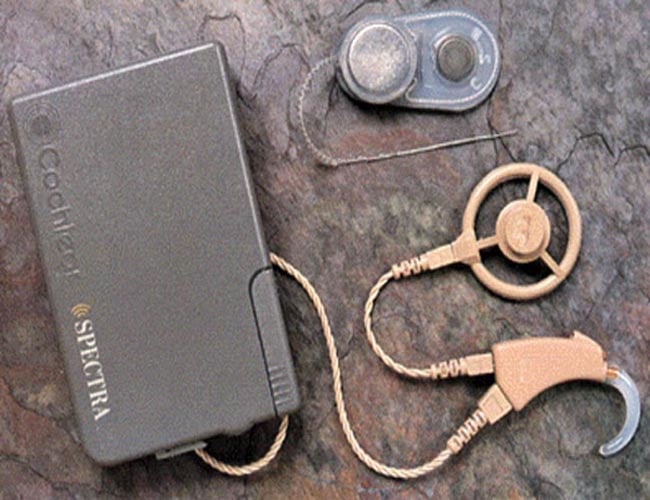
Over the years, cochlear implant technology has undergone significant advancements. Early models were large and had limited functionality, but with ongoing research and development, modern cochlear implants have become more sophisticated, efficient, and user-friendly.
Smaller, Sleeker Designs for Enhanced Comfort
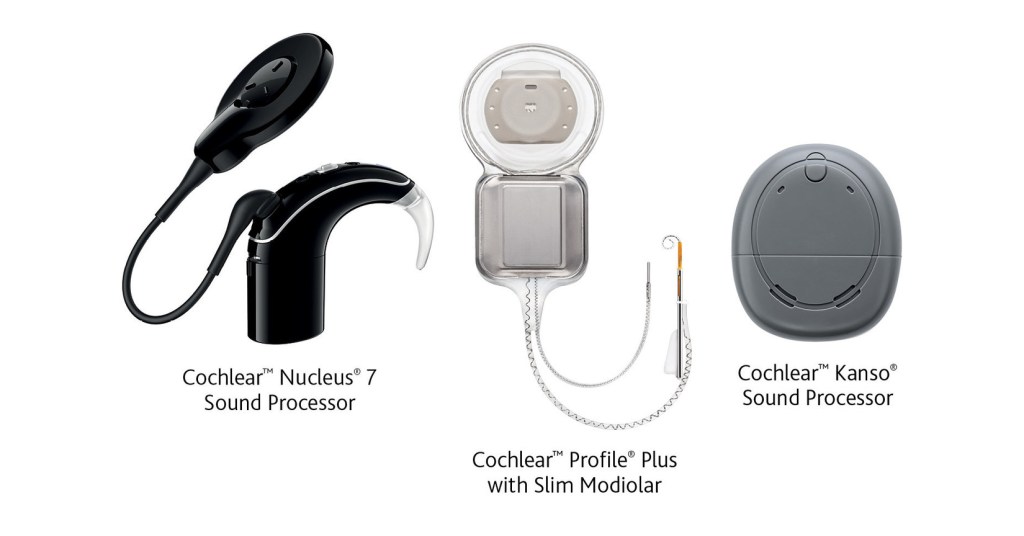
One notable advancement in cochlear implant technology is the development of smaller and sleeker designs. Earlier models were bulky and conspicuous, but modern implants are compact and discreet, offering improved comfort and aesthetics for users.
Improved Sound Quality and Clarity
Advancements in signal processing algorithms have led to remarkable improvements in sound quality and clarity for cochlear implant users. Enhanced processing capabilities enable better speech understanding, music appreciation, and the ability to discern subtle nuances in sound.

Enhanced Connectivity and Wireless Capabilities
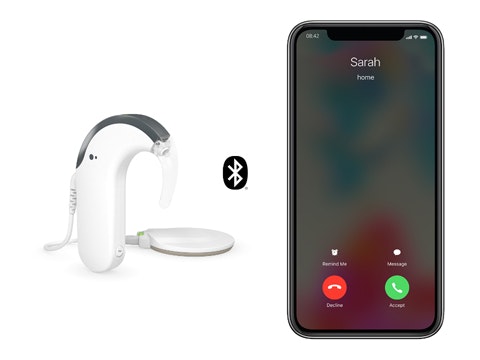
Modern cochlear implants now feature enhanced connectivity options, allowing seamless integration with various audio devices such as smartphones, televisions, and music players. Wireless capabilities enable direct streaming of audio content, providing a more immersive and convenient listening experience.
Advanced Signal Processing Algorithms
State-of-the-art signal processing algorithms play a crucial role in optimizing sound perception for cochlear implant users. These algorithms analyze and enhance incoming sound signals, adapting to different listening environments and minimizing background noise, thereby improving speech intelligibility.

Binaural (both ears) Cochlear Implants: A New Dimension of Sound Perception
Binaural cochlear implants represent a groundbreaking advancement in the field. By implanting devices in both ears, individuals can experience improved sound localization, better speech understanding in noisy environments, and a more natural perception of sound, closely resembling that of individuals with normal hearing.

Artificial Intelligence in Cochlear Implants
Artificial intelligence (AI) has begun to make its mark in the realm of cochlear implants. AI algorithms can analyze vast amounts of data collected from implant users, allowing for personalized adjustments and fine-tuning of device settings to optimize hearing outcomes.
The Future of Cochlear Implant Technology
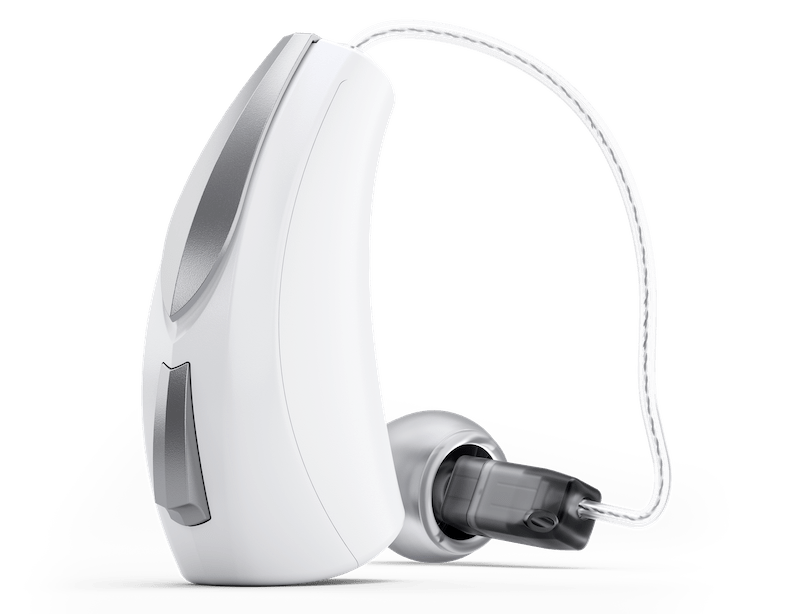
The future of cochlear implant technology holds great promise. Ongoing research aims to further improve sound quality, enhance battery life, and develop innovative electrode designs for better stimulation of the auditory nerve. Additionally, advancements in regenerative medicine may one day offer the potential for biological restoration of hearing.
The Impact of Cochlear Implant Advancements
The advancements in cochlear implant technology have had a profound impact on the lives of individuals with hearing loss. These devices provide opportunities for improved communication, educational attainment, and employment prospects, allowing individuals to participate more fully in social interactions and lead fulfilling lives.

Empowering Communication and Social Interaction
Cochlear implants have been instrumental in empowering individuals with hearing loss to communicate effectively and engage in social interactions. By restoring access to sound, these devices enable users to perceive speech, understand conversations, and connect with others, reducing the barriers imposed by hearing impairment.

Cochlear Implants: Myths and Facts
There are several myths surrounding cochlear implants that need to be dispelled. Some common misconceptions include the belief that cochlear implants restore hearing to normal levels or that they are only suitable for children. Understanding the facts about cochlear implants is essential to make informed decisions regarding treatment options.
Rehabilitation and Support for Cochlear Implant Users
The successful integration of cochlear implants into daily life requires comprehensive rehabilitation and ongoing support. Audiologists, speech-language pathologists, and support groups play a vital role in assisting users with device optimization, auditory training, and providing emotional support throughout the journey.


Conclusion
The rapid advancements in cochlear implant technology have transformed the landscape of hearing rehabilitation, providing new possibilities and opportunities for individuals with hearing loss. Smaller designs, improved sound quality, enhanced connectivity, and AI integration have significantly enhanced the user experience. As the field continues to evolve, the future holds immense potential for further breakthroughs, ultimately leading to a world where individuals with hearing loss can fully engage with the sounds that enrich our lives.









 Dr. Ameen, ENT Specialist in Kuala Lumpur
Leave a comment