




Persistent nose block, often referred to as nasal congestion, is a common issue that affects both adults and children. While it can be temporary due to colds or infections, when it lasts longer, it can be a sign of underlying conditions. Let’s explore the causes of this bothersome problem.
Allergic Rhinitis
One of the leading causes of persistent nasal blockage is allergic rhinitis, which occurs when the immune system overreacts to allergens such as pollen, dust mites, pet dander, or mold. This reaction leads to inflammation in the nasal passages, causing swelling and mucus production, which results in a stuffy nose.

Sinusitis
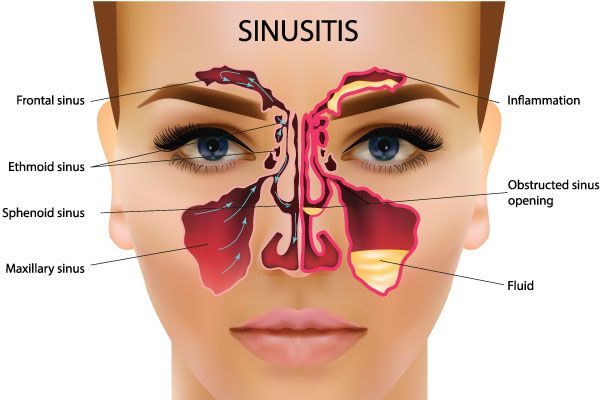
Another common culprit is sinusitis, an inflammation of the sinuses that can be acute or chronic. When the sinuses become blocked and filled with fluid, they can cause pressure and discomfort. In children, recurrent sinus infections may contribute to ongoing nasal blockage.
Structural Issues
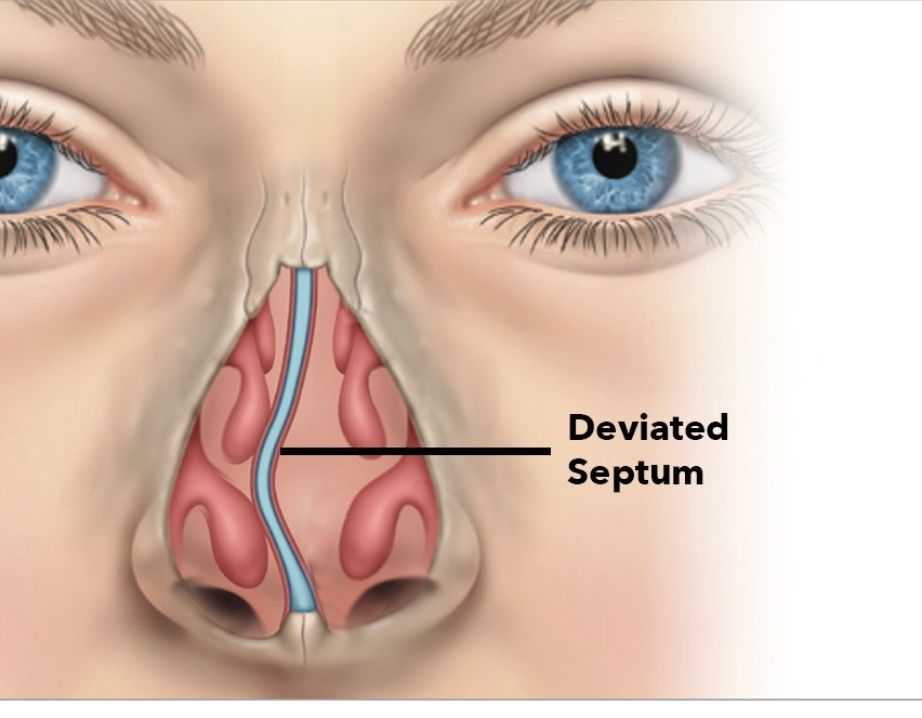
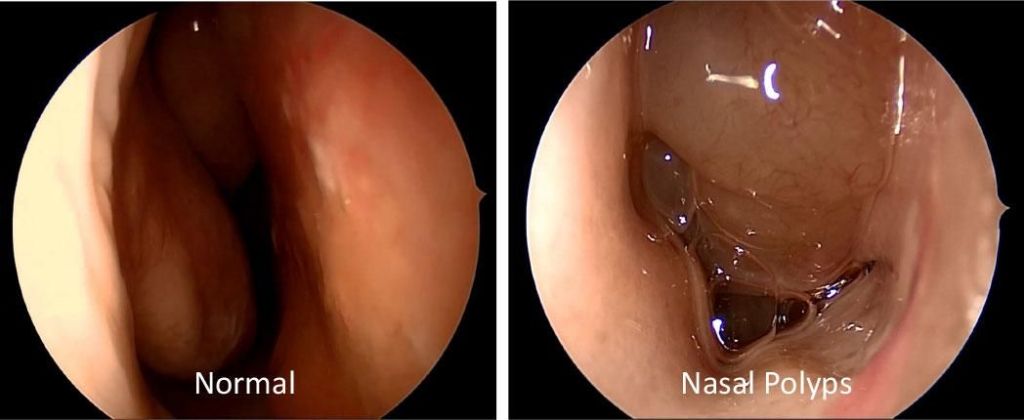
Structural issues, such as a deviated septum and nasal polyps, can contribute significantly to persistent nasal congestion. A deviated septum occurs when the wall dividing the nostrils is misaligned, obstructing airflow. Nasal polyps—soft, painless growths in the nasal passages—can also impede airflow, leading to chronic congestion. Additionally, other structural anomalies, like enlarged adenoids, particularly in children, can further block nasal passages and exacerbate breathing difficulties.

Environmental Factors
Exposure to irritants like smoke, strong odors, or air pollution can exacerbate nasal congestion. In both adults and children, these environmental factors can inflame the nasal tissues, making breathing difficult and uncomfortable.

Other Considerations
1. Gastroesophageal Reflux Disease (GERD) – lead to nasal congestion through a phenomenon known as postnasal drip, which can irritate the throat and nasal passages, resulting in increased mucus production.

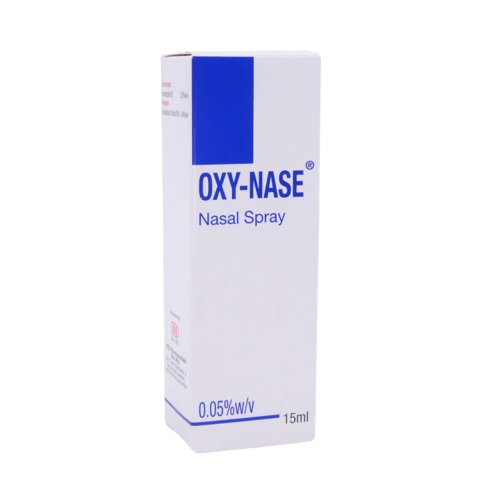
2. Medications – may cause nasal congestion as a side effect. For example, some blood pressure medications, antidepressants, and over-the-counter decongestant sprays, when used excessively, can lead to rebound congestion.
3. Hormonal Changes – particularly during pregnancy or due to hormonal therapies, can lead to increased nasal congestion (pregnancy rhinitis).

Conclusion
Persistent nasal congestion can significantly impact daily life, affecting sleep, concentration, and overall well-being. If you or your child experience ongoing symptoms, it’s crucial to consult a healthcare professional. Identifying the underlying cause is the first step towards effective treatment and relief. Understanding these causes can empower patients and parents to seek appropriate care and improve quality of life.

To schedule a consultation and treatment for persistent nasal blockage, please click here for Sunway Velocity or here for Columbia Setapak.


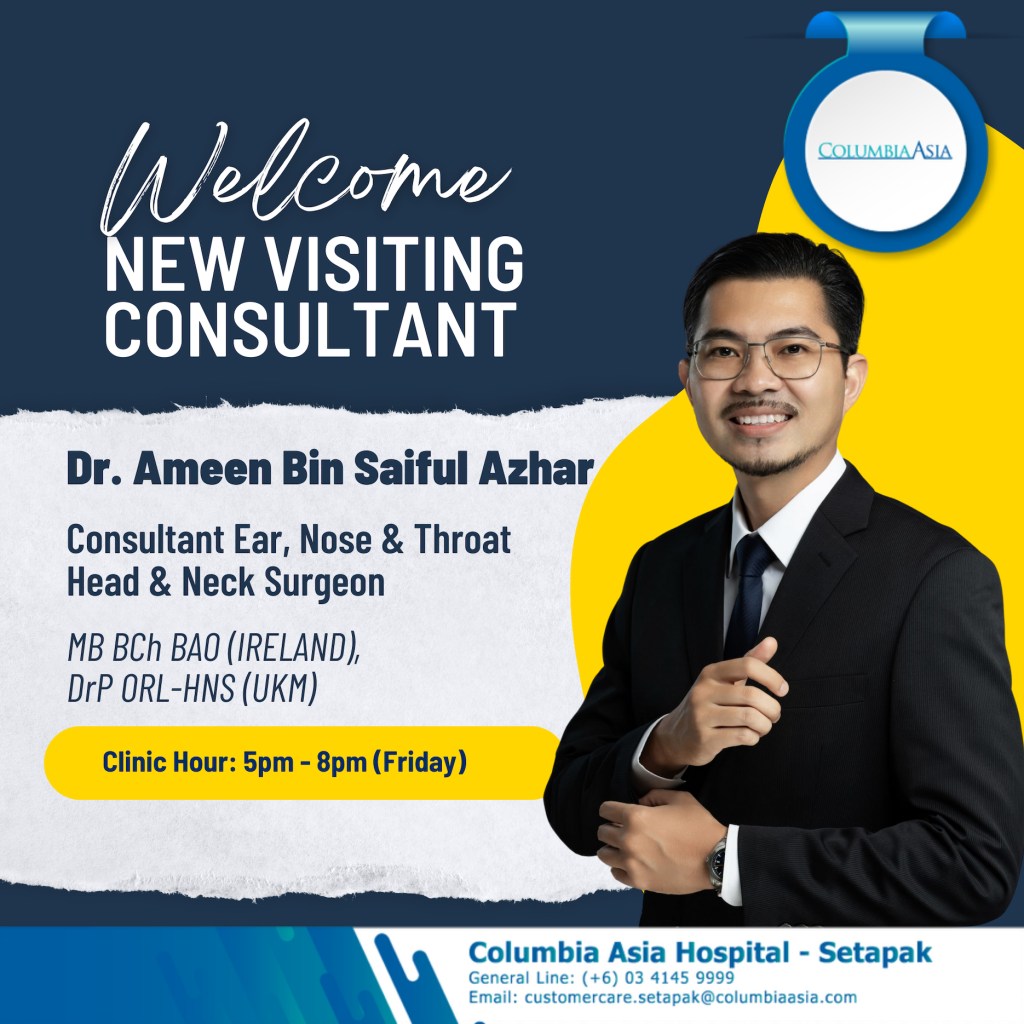







 Dr. Ameen, ENT Specialist in Kuala Lumpur
Leave a comment