


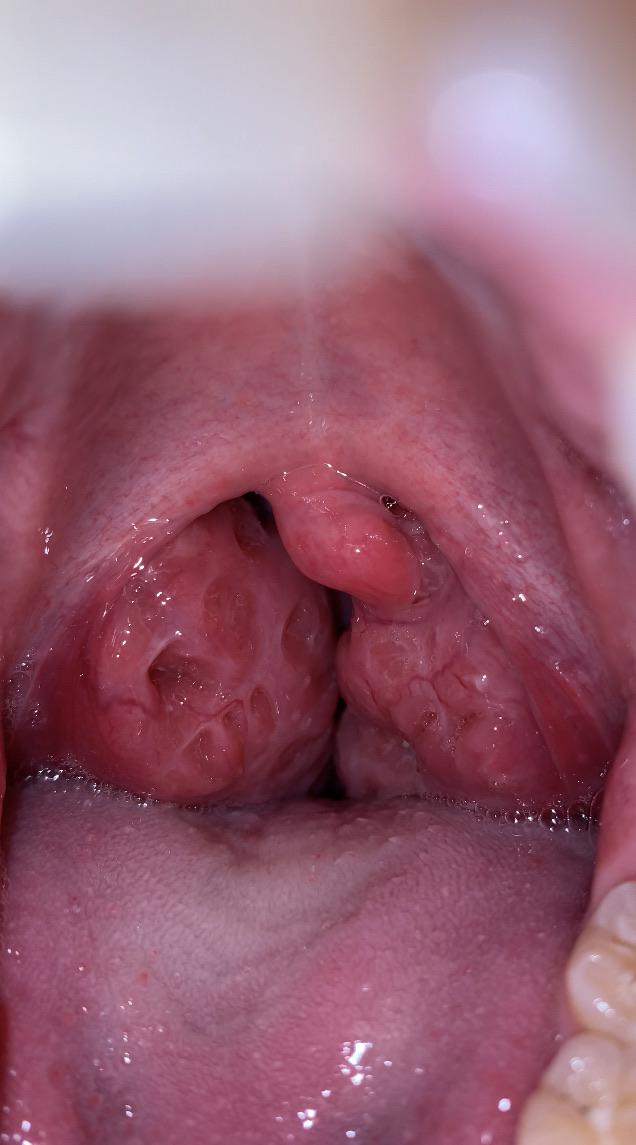
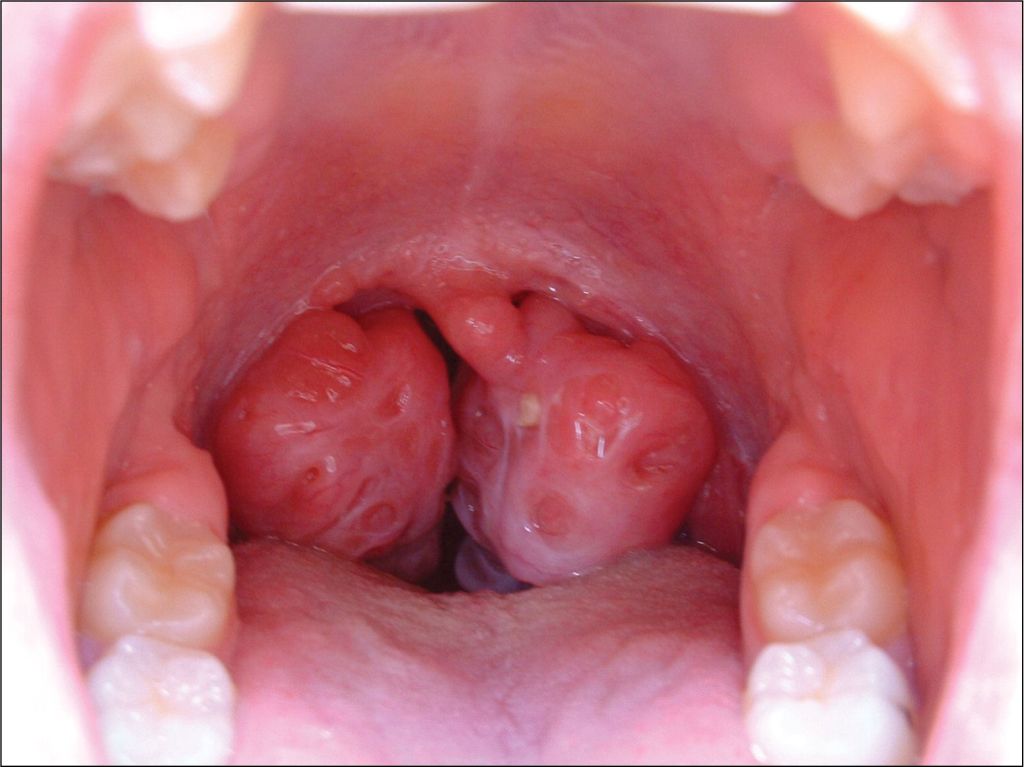
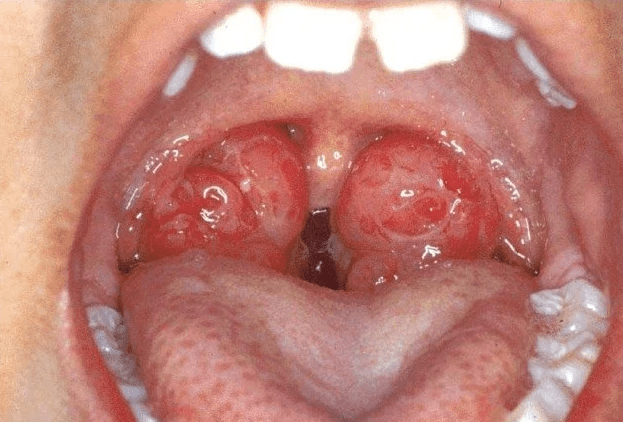
Tonsillar hypertrophy refers to the abnormal enlargement of the tonsils, often resulting from an underlying inflammatory process. It is commonly seen in both children and adults, with the palatine tonsils being the primary site affected. Several factors contribute to the enlargement of the tonsils, including infections, allergies, and environmental irritants.
One of the most frequent causes is recurrent infections such as viral and bacterial tonsillitis. The immune system responds to these infections by activating lymphoid tissue within the tonsils, leading to their swelling. Chronic inflammation from repeated infections can cause the tonsils to remain enlarged for extended periods.
Additionally, allergic reactions play a significant role in tonsillar hypertrophy. In individuals prone to allergies, constant exposure to allergens like pollen, dust, and pet dander can trigger the immune system to respond in a manner similar to an infection, leading to inflammation and hypertrophy.

Environmental pollutants also irritate the mucosa, further exacerbating tonsillar swelling.

From a pathophysiological perspective, tonsillar hypertrophy occurs when the immune system triggers the lymphoid tissue in response to an infection or irritant. This tissue responds by producing more lymphocytes and other immune cells, which results in the enlargement of the tonsils. This enlargement serves as part of the body’s defense mechanism, though it may lead to obstruction of the airway or swallowing difficulties in severe cases.

Prevention
To prevent tonsillar hypertrophy, maintaining good hygiene is crucial, as it reduces the likelihood of infections. Limiting exposure to allergens and environmental pollutants also plays a key role. In cases of recurrent tonsillitis, prompt medical treatment and avoiding irritants can prevent chronic inflammation. Ensuring proper nutrition and strengthening the immune system with a balanced diet and regular exercise can also be beneficial.


To schedule a consultation for your tonsil/throat issues, please click here for Sunway Velocity Medical Centre or here for Columbia Setapak Hospital.








 Dr. Ameen, ENT Specialist in Kuala Lumpur
Leave a comment