



Allergic Rhinitis is much more than just a bad cold. As an ENT Consultant, I see its impact daily—it affects sleep, work, and overall quality of life for millions. This quick, fact-filled guide breaks down what it is and how we tackle it, so you can breathe easier.
👃 What is Allergic Rhinitis?

Allergic Rhinitis is an inflammation of the lining of your nose, triggered by an allergic reaction to tiny, typically harmless airborne particles called allergens.
When you inhale an allergen (like pollen, dust mites, or pet dander), your immune system overreacts, releasing a chemical called histamine. This powerful chemical is what causes the annoying symptoms that follow. It’s a very common, chronic condition that can be seasonal (like reacting to spring pollen) or perennial (symptoms all year round, often due to dust mites or pets).
🚨 Recognizing the Symptoms
The symptoms of allergic rhinitis can mimic a common cold, but a few tell-tale signs point to an allergy. If your symptoms last for weeks or months, and don’t include a fever or body aches, it’s very likely allergic rhinitis.
Common signs include:
- Persistent Sneezing
- Runny Nose (Rhinorrhea) with clear, watery discharge
- Nasal Congestion or a blocked nose, which can lead to fatigue and poor sleep
- Itchy Nose, Eyes, Throat, or Roof of the Mouth
- Watery, Red, or Itchy Eyes (Allergic Conjunctivitis)
- Postnasal Drip (mucus running down the back of your throat)

🔍 How is Allergic Rhinitis Investigated?
Diagnosis often begins with a thorough medical history and physical examination by an ENT specialist, checking for symptoms, family history of allergies, and the timing of your flare-ups. To confirm a specific allergy, we can use simple tests:
- Skin Prick Test (SPT): Tiny amounts of common allergens are placed on your skin (usually the forearm or back). If a small, raised bump (wheal) develops, it indicates an allergy to that substance. This is a quick and highly reliable test.
- Specific IgE Blood Test: A blood sample is taken to measure the amount of Immunoglobulin E (IgE) antibodies in your bloodstream that are specific to certain allergens. Identifying your specific triggers is crucial for effective long-term management!

✅ Effective Treatment Options
Treatment aims to control symptoms and improve your quality of life. An effective plan involves three main pillars:
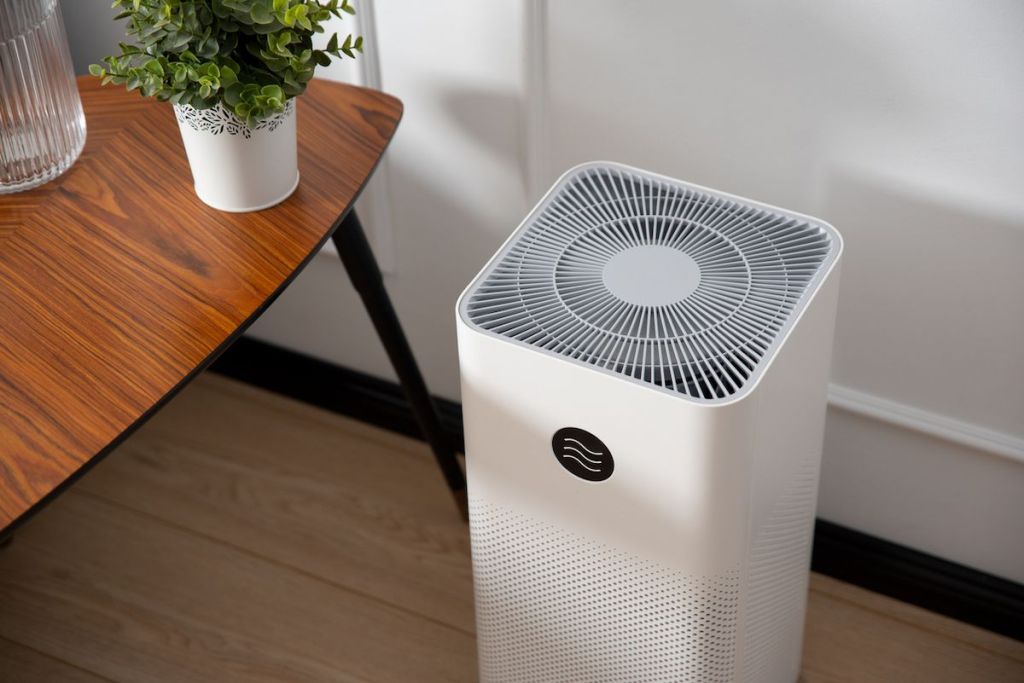
Allergen Avoidance: The first step is to minimize exposure to your known triggers. This might mean using HEPA filters, washing bedding in hot water, or staying indoors when pollen counts are high.
Pharmacotherapy (Medication): These fast-acting options help control symptoms:
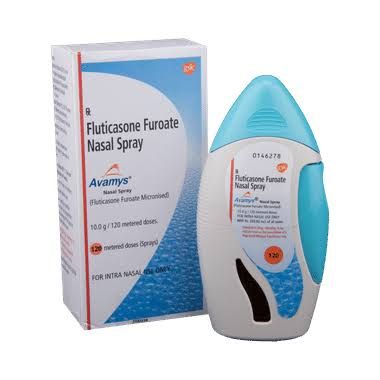
1) Intranasal Corticosteroid Sprays: Highly effective first-line treatment for congestion and inflammation. They work best when used regularly.
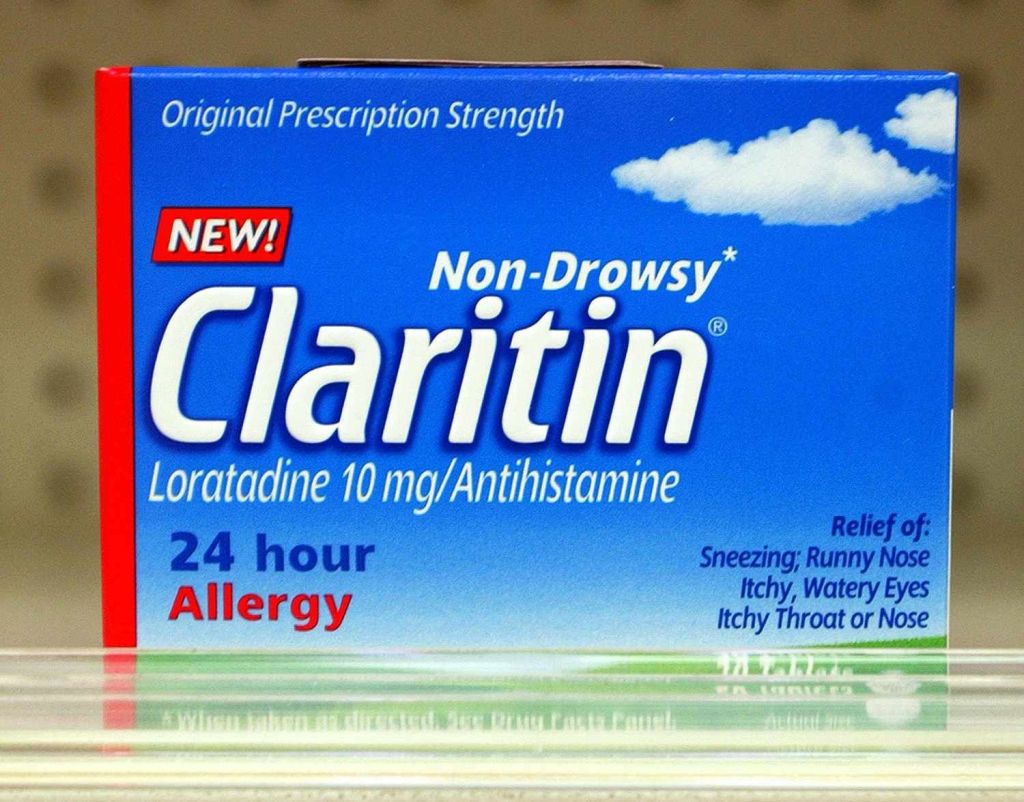
2) Antihistamines: Available as tablets or nasal sprays, these block the action of histamine, helping with itching, sneezing, and runny nose. Newer, non-drowsy options are preferred.
3) Decongestants: Help relieve temporary nasal stuffiness, but should only be used short-term (3-5 days) to avoid rebound congestion.
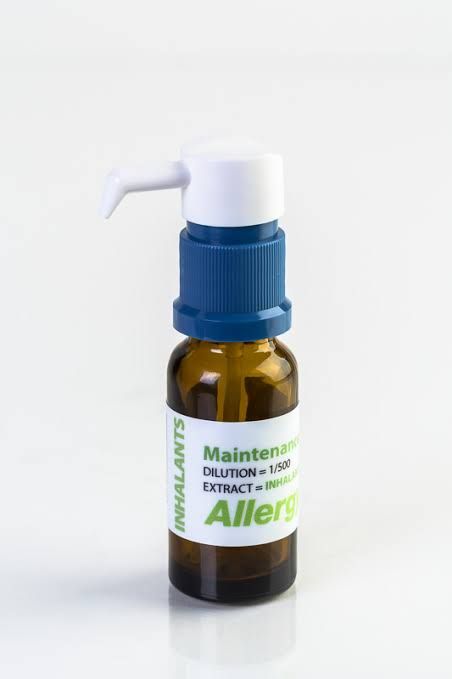
4) Immunotherapy (Allergy Shots/Drops): For severe or poorly controlled allergies, Allergen Immunotherapy (AIT) is the only treatment that can potentially change your immune system’s response to the allergen. It involves gradually introducing increasing doses of the allergen to desensitize your body.
Consult your ENT specialist to tailor a treatment plan that is right for you.

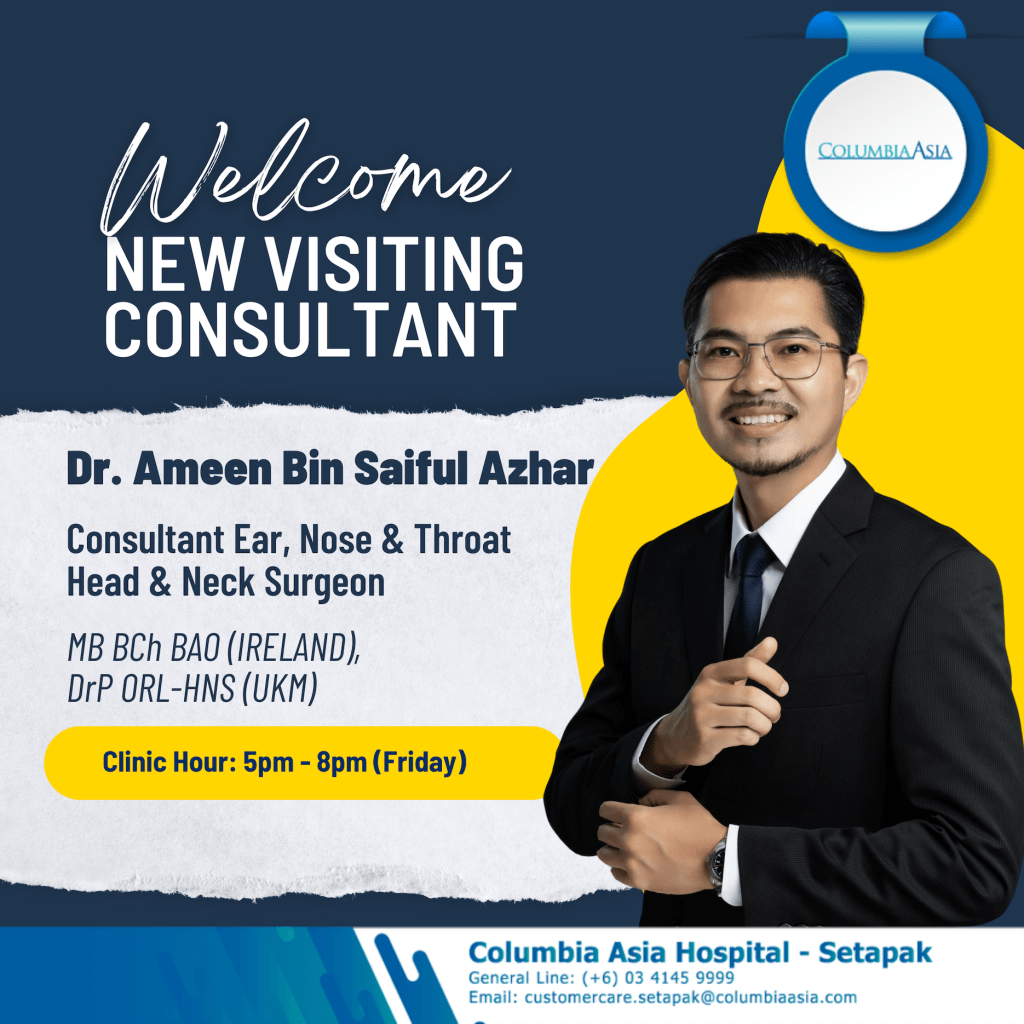


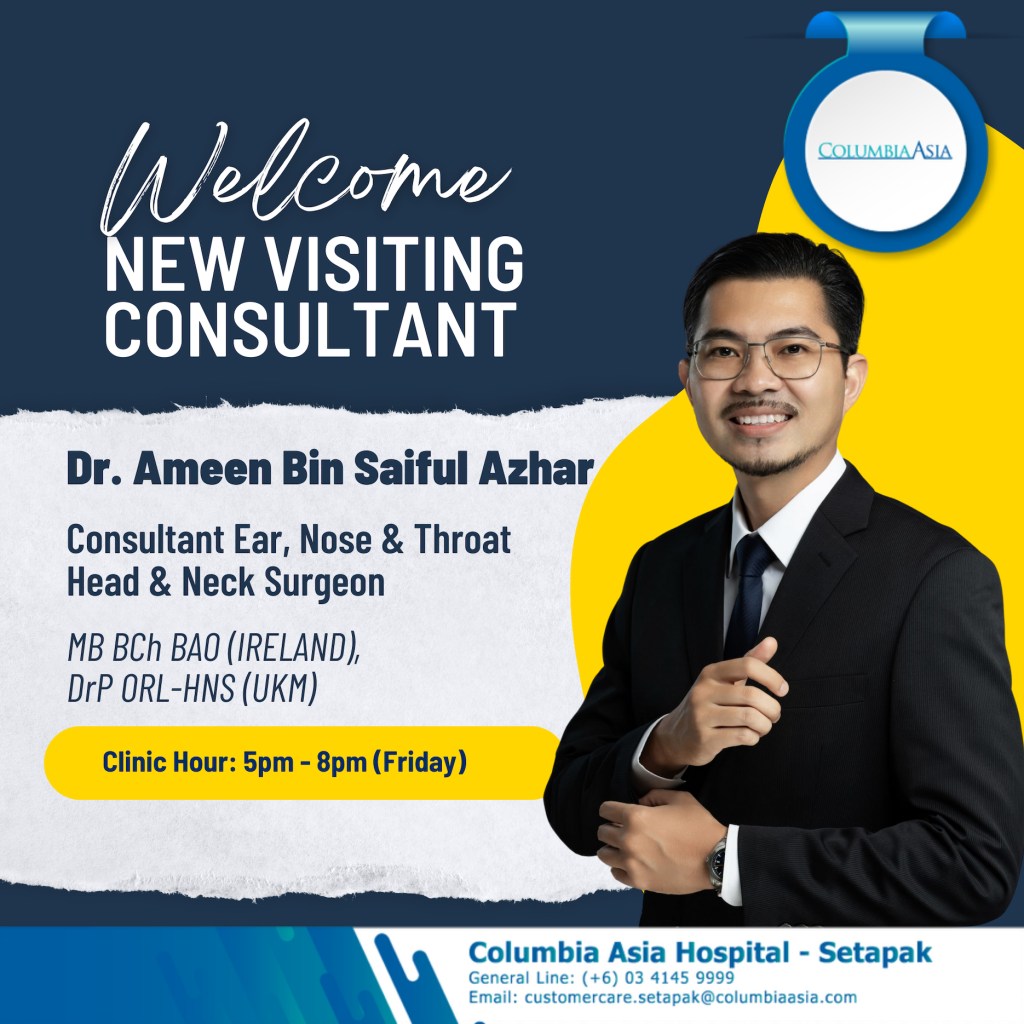






 Dr. Ameen, ENT Specialist in Kuala Lumpur
Leave a comment