



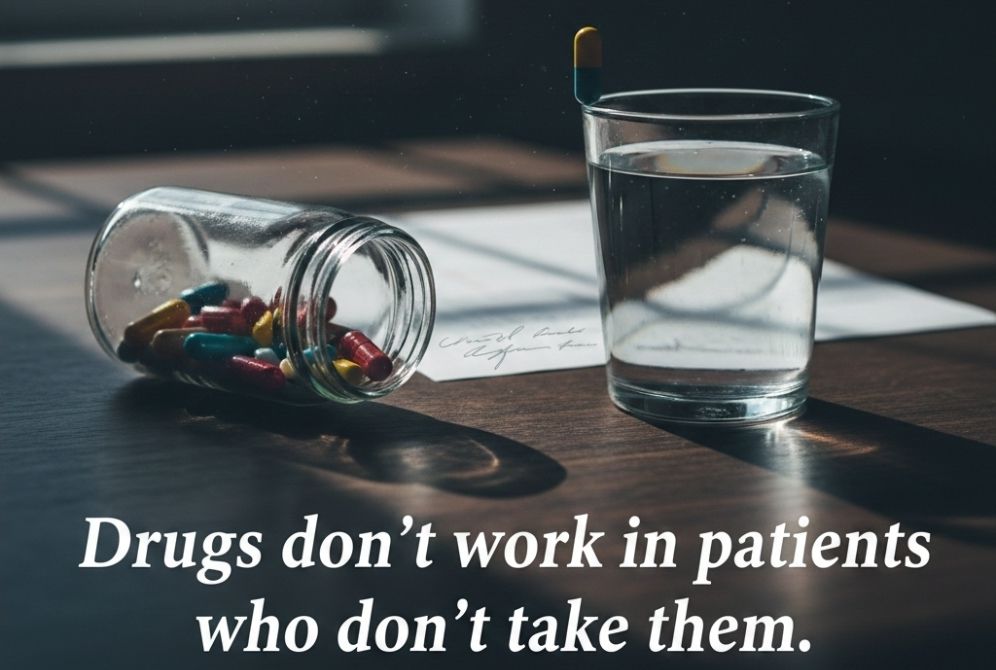
“Drugs don’t work in patients who don’t take them.”
– Dr. C. Everett Koop, 13th Surgeon General of the United States
Why This Quote is So Relevant in 2025?
1) The Rise of Chronic Disease: Today, the primary burden on healthcare systems isn’t acute infection, but chronic conditions like heart disease, diabetes, and hypertension. These require long-term, daily maintenance. If patients skip doses, these “silent killers” progress unchecked, leading to catastrophic events like strokes or kidney failure that could have been prevented.
2) The Cost-of-Living Crisis: In 2025, economic pressures have made “cost-related non-adherence” a significant issue. Patients are often forced to choose between groceries and prescriptions, leading them to ration their doses. Koop’s quote highlights the tragedy that even the most advanced, life-saving medical breakthroughs are useless if the patient cannot afford to maintain the regimen.

3) The Complexity of Modern Regimens: With an aging population, many patients deal with polypharmacy (taking multiple medications simultaneously). This complexity increases the risk of “accidental non-adherence” due to confusion or forgetfulness.
4) Value-Based Healthcare: Modern medical systems are shifting away from paying for “procedures” and moving toward paying for “outcomes.” Because adherence is the single biggest factor in determining whether a treatment succeeds, healthcare providers now view compliance as a collaborative partnership rather than just “following orders.”
The Impact of Non-Adherence
1) Avoidable Mortality: Approximately 125,000 deaths annually in the U.S. alone are attributed to medication non-adherence.
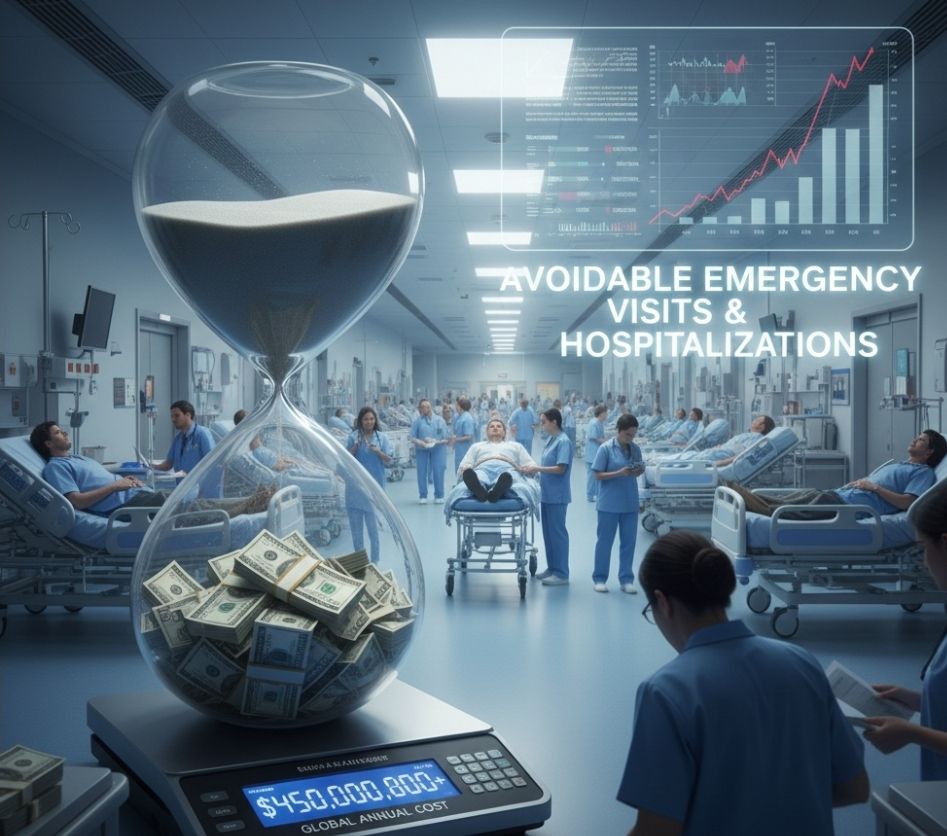
2) Economic Burden: It is estimated that non-adherence costs the global healthcare system hundreds of billions of dollars in avoidable emergency room visits and hospitalizations.










 Dr. Ameen, ENT Specialist in Kuala Lumpur
Leave a comment