


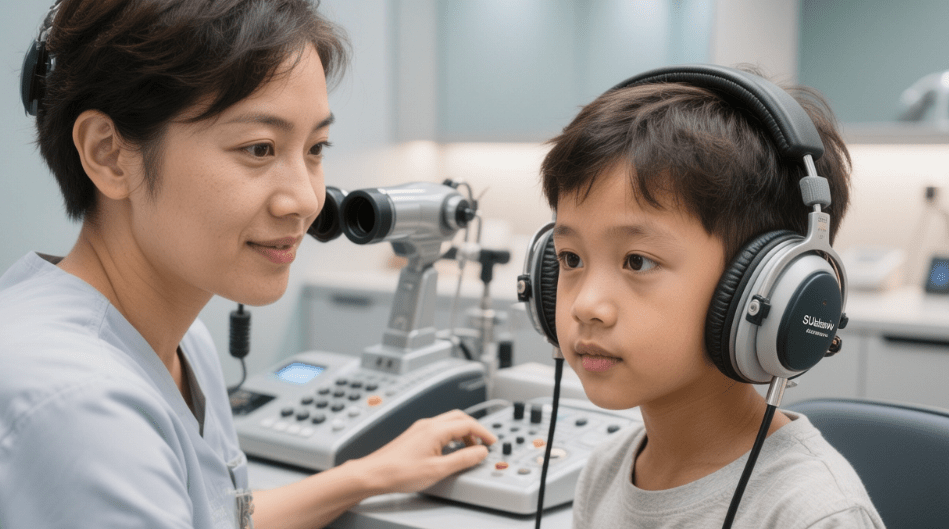
The brain can adapt during early development


During early childhood, the brain is highly adaptable. If one ear has normal hearing, the brain can use that input effectively to support speech and language development.
This is why many children with hearing loss in one ear can still speak clearly and reach early language milestones. To parents, everything may appear normal at first.

Why speech can still develop normally


Speech development mainly depends on exposure to sound and the brain’s ability to process language. One good ear can provide enough sound input for speech to develop.
However, this does not mean hearing is balanced. The child is relying entirely on one side, which may not be obvious in daily conversation.

The hidden challenges of hearing with one ear

Even though speech appears normal, children with hearing in only one ear face challenges, especially in noisy environments.
They may have difficulty:
- Understanding speech in background noise
- Locating where sounds come from
- Following conversations in groups
These difficulties can affect confidence and classroom performance.

Impact on learning and attention


The brain has to work harder to process sound with only one ear. Over time, this increased effort can lead to listening fatigue.
Children may appear:
- Easily distracted
- Tired after school
- Less engaged in lessons
These signs are often misunderstood as behavioural issues rather than hearing problems.
Why early assessment still matters
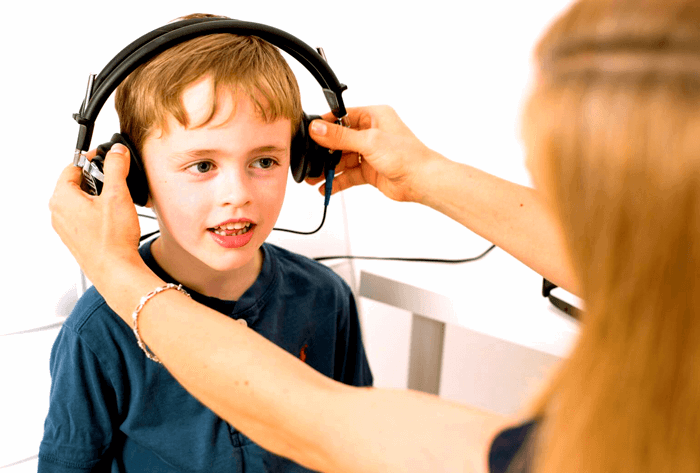

Even if speech is normal, hearing in one ear should not be ignored. Early hearing assessment helps identify the degree of hearing loss and guides appropriate support.
Interventions may include monitoring, classroom adjustments, or hearing devices depending on the severity.
Early support ensures the child reaches full potential academically and socially.
Key takeaway
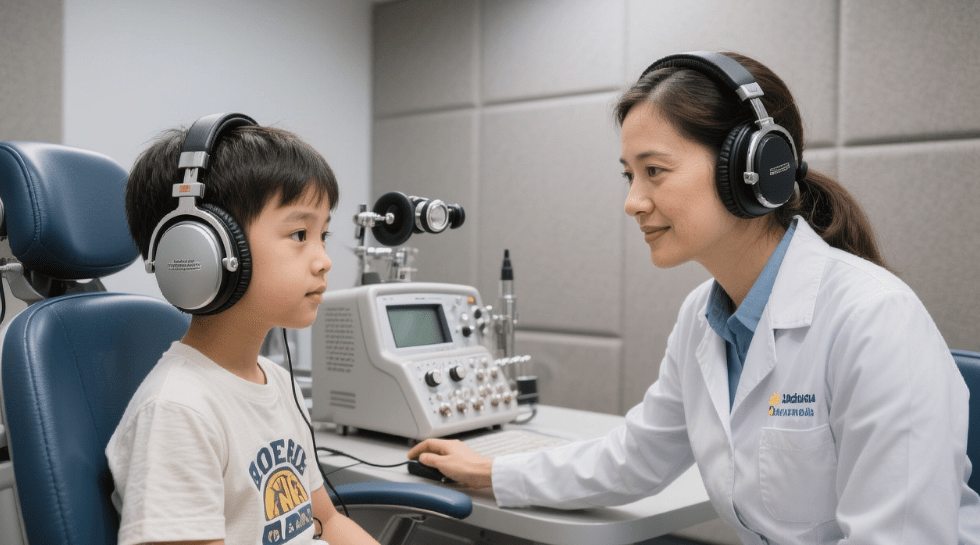
Normal speech does not always mean normal hearing. Children with hearing in one ear can adapt well, but hidden challenges may affect learning, attention, and social interaction. Early detection and proper monitoring are essential to ensure long-term success and prevent avoidable difficulties.
Reviewed by Dr Ameen, ENT Specialist Kuala Lumpur











 Dr. Ameen, ENT Specialist in Kuala Lumpur
Leave a comment