Dr. Ameen, ENT Specialist in Kuala Lumpur

ENT Specialist Treating Ear, Nose, Sinus, Snoring, Vertigo & Throat Problems

Ear, Nose & Throat Specialist (Adult & Paediatric)
Pakar Hidung, Telinga & Tekak (Dewasa & Kanak2)


🎓Qualifications
🩺MB BCh BAO Hons (Ireland🍀)
🔪Master (DrP) in Otorhinolaryngology (ENT👂👃👄), Head & Neck Surgery (UKM, Malaysia🌺)


Email: drameenpakarent@protonmail.com

Do you know why a cold can make your ears feel blocked?

The nose and ear are closely connected
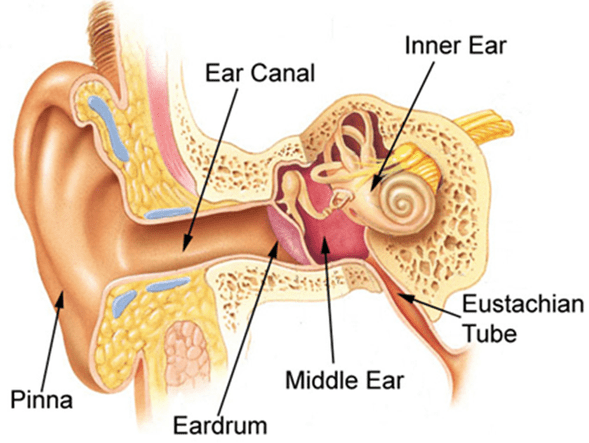
Many people are surprised that a simple cold can affect their ears. The reason lies in the connection between the nose and the middle ear through a small channel called the Eustachian tube.

This tube helps regulate pressure and allows air to move between the nose and the ear. When everything functions normally, you do not notice it.
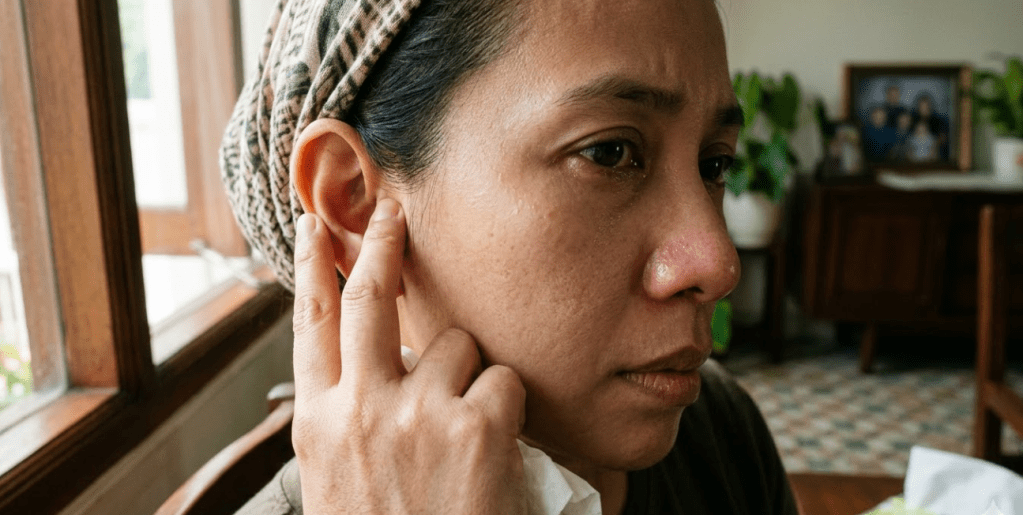
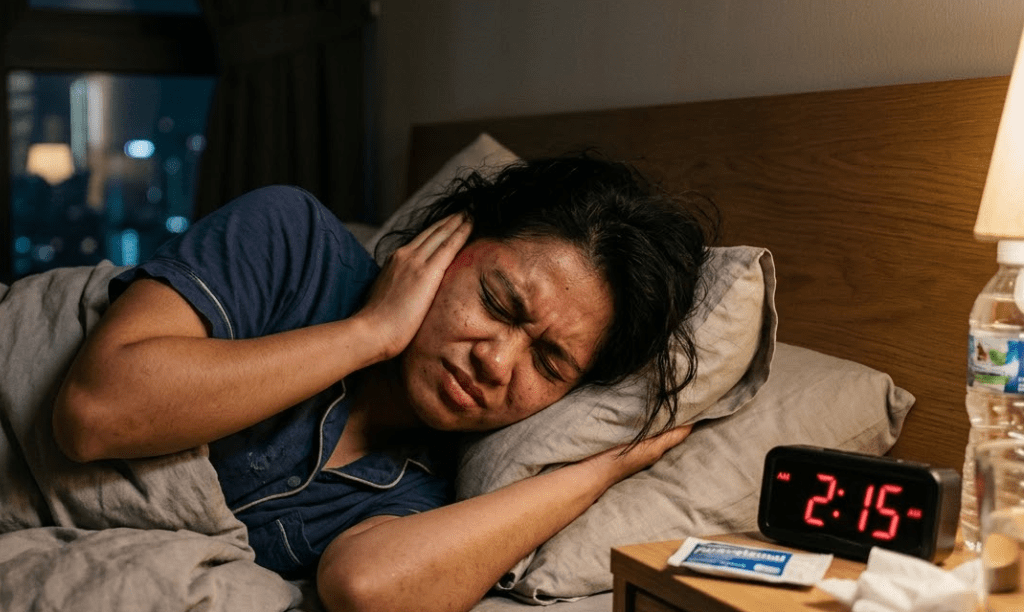
A woman with a headscarf sits indoors, touching her ear with a concerned expression, tears in her eyes, and a tissue in her other hand.
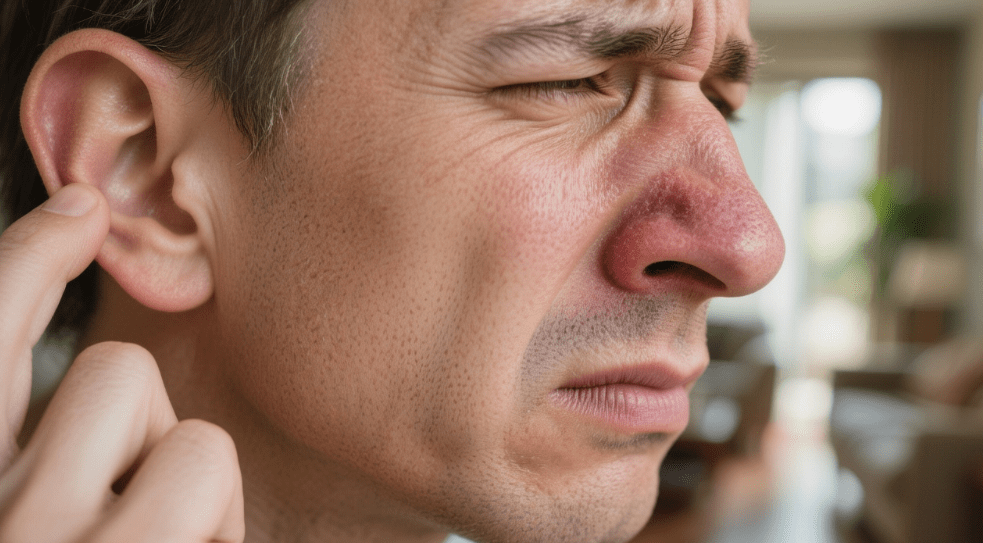
A person experiencing muffled hearing, with a concerned expression, as they touch their ear while sitting in a quiet indoor room.

What happens during a cold

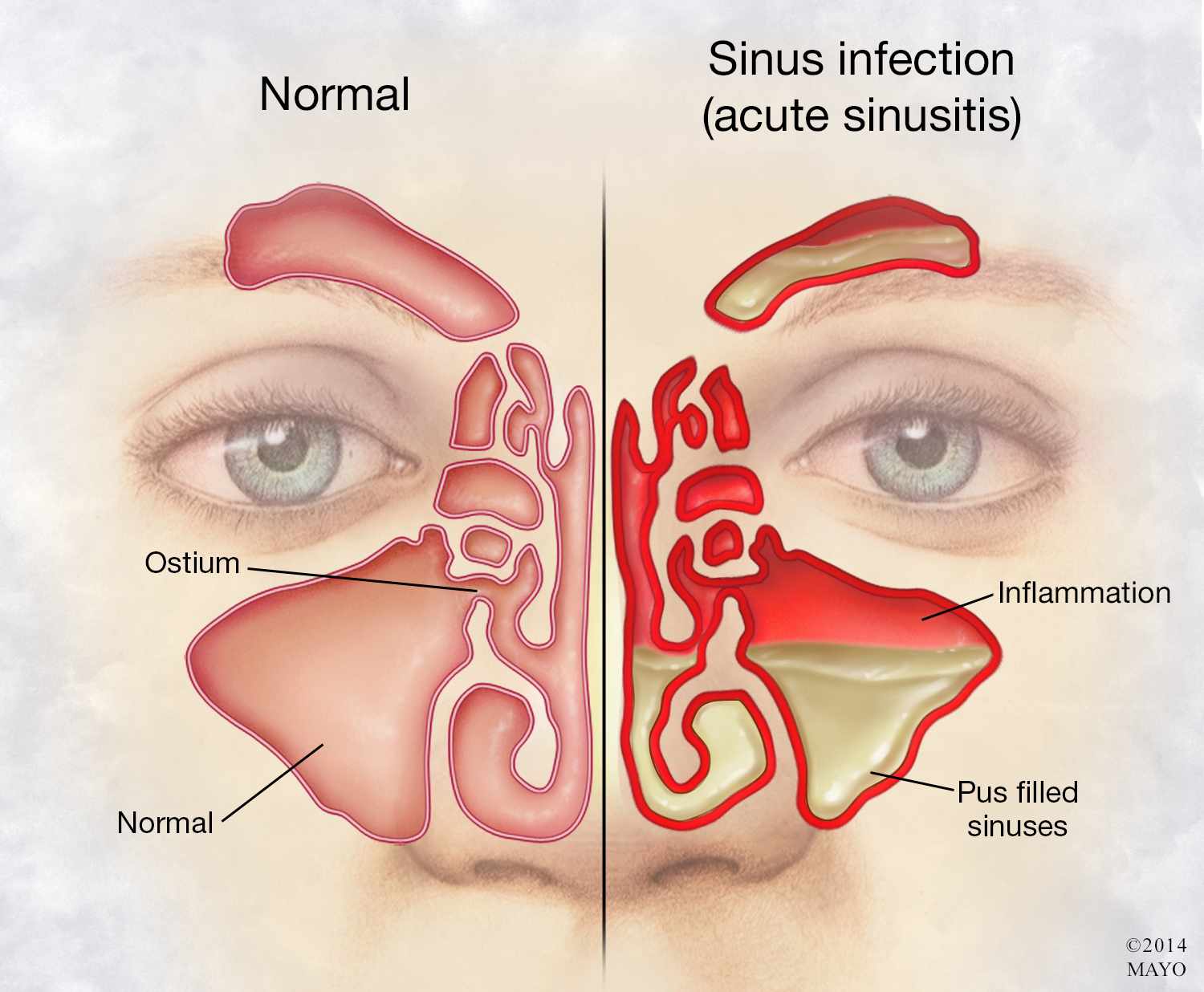
https://newsnetwork.mayoclinic.org/n7-mcnn/7bcc9724adf7b803/uploads/2015/01/EC300403-001-01.jpg
https://curistrelief.com/cdn/shop/articles/Curist_Blog_-_Runny_Nose_-_Covid_Flu_Allergies_Cold_-_compressed_a0c37832-9a6c-42eb-9468-79ec9b8c7013_600x.jpg?v=1743395492

During a cold, the lining of the nose becomes inflamed and swollen. This inflammation can block the opening of the Eustachian tube.

As a result, air cannot move freely into the middle ear. This creates a pressure imbalance, leading to the sensation of fullness or blockage in the ear.

Some people may also notice mild hearing reduction or a popping sensation.


Why the ear feels blocked or muffled

https://www.health.com/thmb/FiPBCVtJS_Dz52t0bYDuVM4TQqY%3D/2119x0/filters%3Ano_upscale%28%29%3Amax_bytes%28150000%29%3Astrip_icc%28%29/CloggedEars-d09829099e3f458e9e1dd1278cc87901.jpg

When the pressure inside the middle ear cannot equalise, the eardrum does not move as efficiently. This affects how sound is transmitted.

The result is a muffled or blocked sensation. Some people describe it as hearing underwater or having cotton in the ear.

This feeling can come and go depending on how the tube opens and closes.


How long does it usually last

https://assets-us-01.kc-usercontent.com/ffacfe7d-10b6-0083-2632-604077fd4eca/072eaf3d-c35d-43af-82c1-c21c7de8f921/Flu-Recovery-Protect-Yourself-iStock-1473505699-2026-1-Social-1200x630.jpg

In most cases, the blocked ear sensation improves as the cold resolves. This usually takes a few days to one to two weeks.

The Eustachian tube gradually reopens as swelling reduces. Simple measures such as swallowing, yawning, or gentle pressure equalisation can help.

Staying hydrated and managing nasal symptoms also speeds up recovery.

A woman sitting on a sofa, wrapped in a blanket, holding a tissue to her nose, looking unwell. A glass of water is on the table beside her, with warm lighting from a nearby lamp.
A woman with a runny nose is resting on a couch, holding a tissue, resting – symptoms may resolve within 1 week if patient rests well.

When should you be concerned

https://www.health.com/thmb/IgmWJKwO9MuAqN3W115FzKSDcgo%3D/4000x0/filters%3Ano_upscale%28%29%3Amax_bytes%28150000%29%3Astrip_icc%28%29/Health-ear-infection-symptoms-7497948_Hpriz-6a3c00ad254d4e088ccc6436daadbaee.jpg

You should seek medical attention if:

  • The blocked feeling persists beyond a few weeks
  • There is significant hearing loss
  • Pain, dizziness, or discharge develops

These may indicate complications such as fluid build-up or infection in the middle ear.

A concerned middle-aged man discussing his ear issues with a healthcare professional in a clinical setting.
A concerned patient discussing ear discomfort with a doctor in a clinical setting.

Key takeaway

Blocked ears during a cold are common and usually temporary. They occur because nasal inflammation affects the Eustachian tube and disrupts pressure balance. Most cases improve on their own, but persistent symptoms should not be ignored, especially if hearing changes or discomfort worsen over time.

Reviewed by Dr Ameen, ENT Specialist Kuala Lumpur

Leave a comment

I’m Dr Ameen, an ENT specialist based in Kuala Lumpur, Malaysia

I am passionate about helping people breathe, hear, and live better. After years of experience at Hospital Kuala Lumpur and Tunku Azizah Women and Children Hospital, I now provide specialised care at Sunway Medical Centre Velocity, Columbia Hospital Setapak, and Klinik ANDA Wangsa Melawati. Through this page, I share simple, reliable tips and insights to help you understand and manage common ear, nose, and throat conditions with confidence.

MY CLINIC HOURS:

  • TUESDAY – 8pm to 10pm (Klinik ANDA Wangsa Melawati)
  • FRIDAY – 9am to 5pm (Sunway Medical Centre Velocity)
  • FRIDAY – 5pm to 8pm (Columbia Asia Hospital Setapak)
  • SATURDAY – 9am to 1pm (Sunway Medical Centre Velocity)
Book your appointment to see me at Sunway Medical Centre Velocity by clicking HERE
Book your appointment to see me at Columbia Hospital Setapak by clicking HERE