-
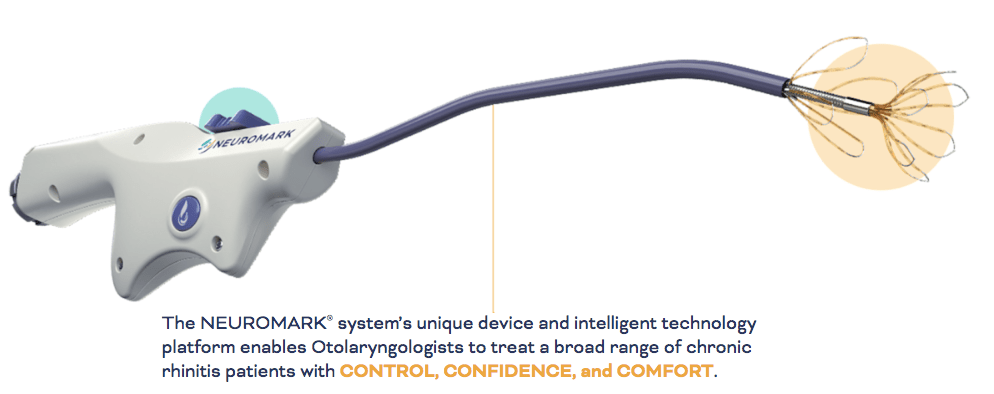
Neuromark for Chronic rhinitis
Remember Clarifix? https://drameenent.wordpress.com/2023/07/18/cryotherapy-in-chronic-rhinitis-a-promising-therapeutic-approach/ Now..this is another new ENT Tech system used to treat chronic rhinitis/non-allergic rhinitis which failed medical treatment (antihistamine/Intranasal steroid/histamine etc), made by a company from Galway Ireland 🙂 It uses low power Radiofrequency (RF) energy to the nasal cavity, targeting the parasympathetic nerve that give rise to nasal symptoms such as nasal…
-

The Hummingbird Device: A Revolutionary Breakthrough in Ear Tube Placement
Introduction The world of medical advancements continues to push the boundaries of innovation, bringing forth groundbreaking devices that revolutionize patient care. One such marvel is the Hummingbird Device for Ear Tube Placement, a state-of-the-art tool that has transformed the experience of ear tube insertion. This revolutionary technology ensures a seamless and comfortable procedure, offering relief…
-
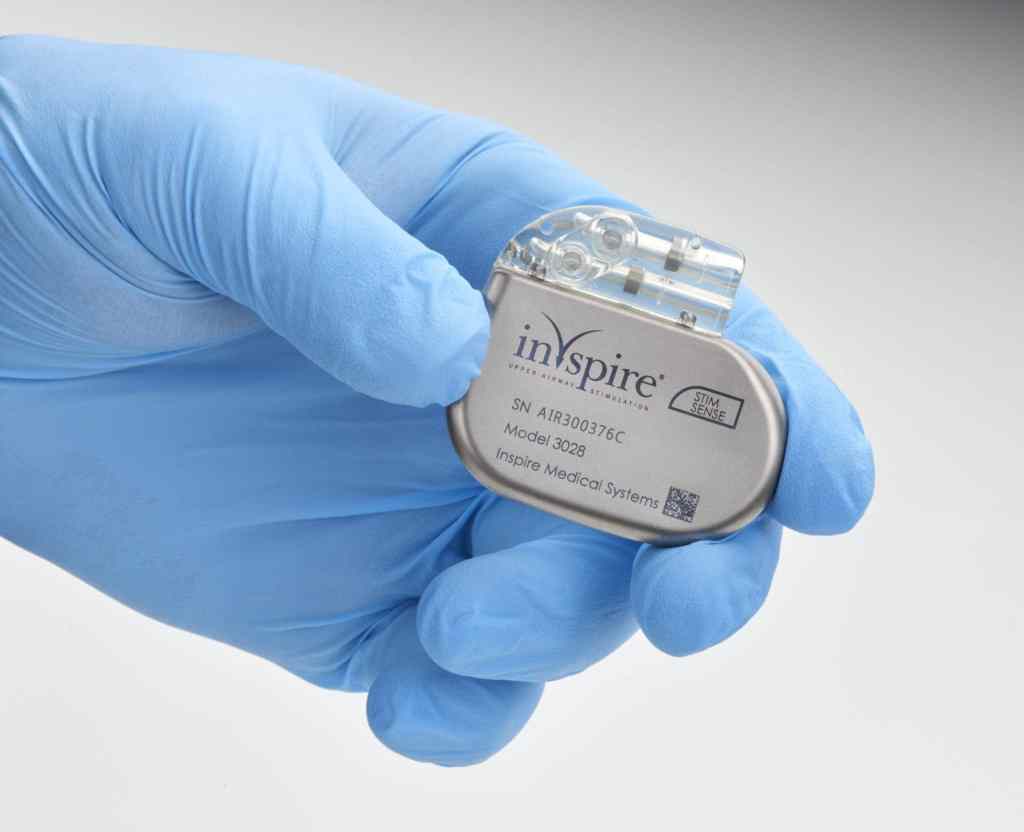
A Symphony of Solutions: Unleashing the Power of Hypoglossal Nerve Stimulation in Overcoming Obstructive Sleep Apnea
Obstructive sleep apnea (OSA) is a common sleep disorder that affects all age groups and is associated with many co-morbid diseases (especially cardiovascular diseases). Continuous positive airway pressure (CPAP) is the gold standard for treating OSA. However, adherence to PAP therapy has been a major challenge with an estimated adherence between 20% and 80%. Obstructive…
-

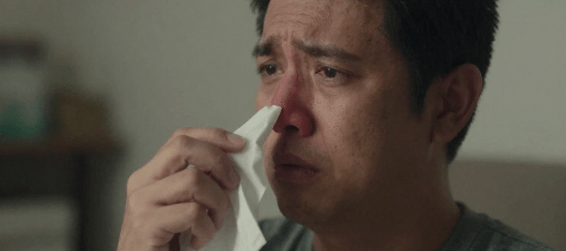
From Stuffy to Serene: Powerful Solutions for Treating Chronic Nasal Congestion
Are you tired of constantly struggling with nasal congestion? Does the feeling of stuffiness make it difficult for you to breathe freely? If so, you’re not alone. Chronic nasal congestion is a common issue that affects millions of people worldwide. Fortunately, there are several powerful solutions available to help alleviate this bothersome condition. In this…
-
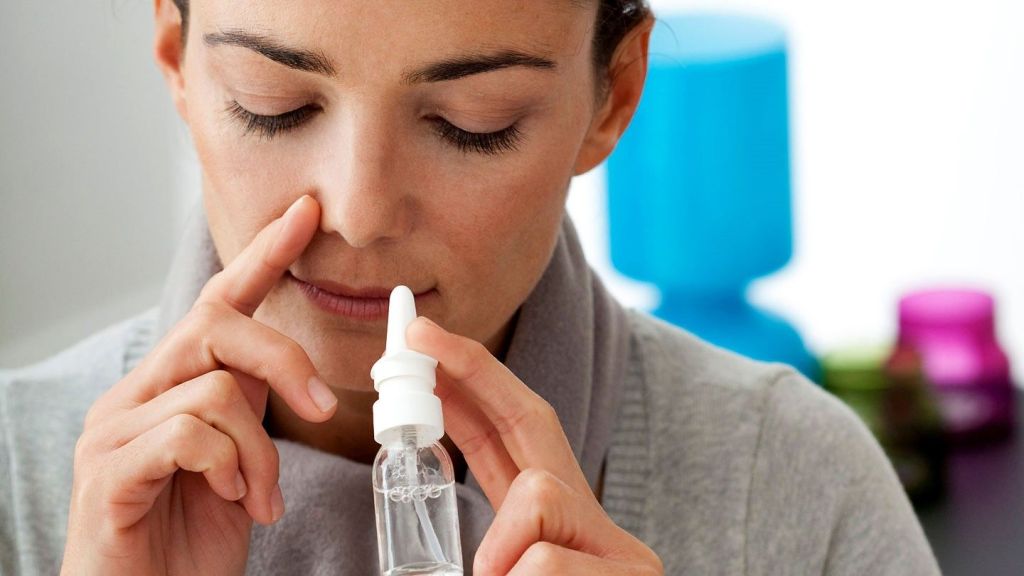
Mastering the Art of Nasal Spray: A Symphony of Steps for Proper Application
Using intranasal steroids correctly is essential to ensure their effectiveness and minimize potential side effects. Here’s a detailed guide on how to use them properly: 1. Wash your hands: Before handling the intranasal steroid spray, wash your hands thoroughly to minimize the risk of introducing germs into your nasal passages. 2. Read the instructions: Carefully…
DR AMEEN’S PERSONAL PROFILE 🧑⚕️🍀
Dr. Ameen, ENT Specialist in Kuala Lumpur
“ENT Specialist Treating Ear, Nose, Sinus, Snoring, Vertigo & Throat Problems“


Ear, Nose & Throat Specialist (Adult & Paediatric)
Pakar Hidung, Telinga & Tekak (Dewasa & Kanak2)

🎓Qualifications
🩺MB BCh BAO Hons (Ireland🍀)
🔪Master (DrP) in Otorhinolaryngology (ENT👂👃👄), Head & Neck Surgery (UKM, Malaysia🌺)


Email: drameenpakarent@protonmail.com


- 🍀About me – Dr Ameen
- 👃Allergic Nose (Rhinitis) / Resdung
- 👂Blocked Ear / Telinga Sumbat
- 👃Blocked Nose / Hidung Sumbat / Lubang Hidung Sempit
- 👄Chronic Cough / Batuk berpanjangan
- 👄Difficulty Swallowing / Susah Nak Telan
- 🩺Dr Ameen’s ENT Services at ENT Clinic KL
- 👂Ear Discharge / Telinga bernanah
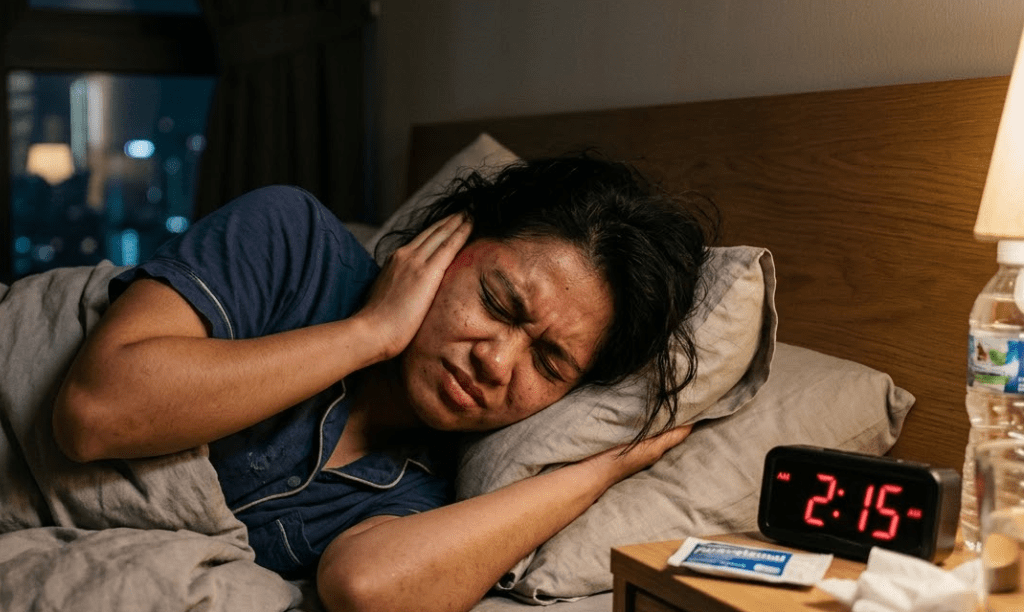
- 👂Ear Pain / Sakit Telinga
- 😴Excessive Daytime Sleepiness / Terlampau mengantuk di siang hari
- 👃Facial Pain&Pressure / Sinus
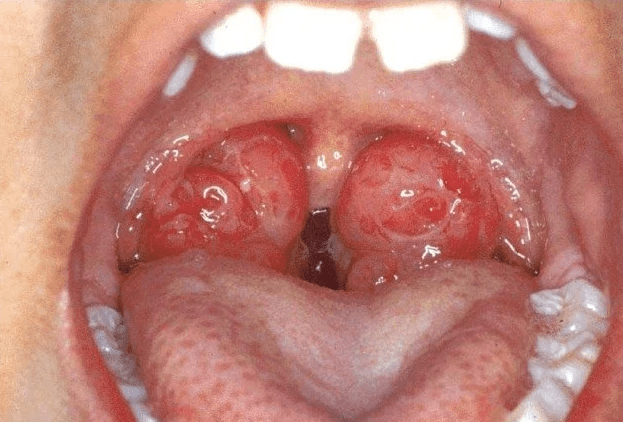
- 👄Frequent Tonsillitis / Sakit tekak tonsil amandel
- 👂Hearing Loss / Kurang Pendengaran
- 👄Hoarseness / Suara Serak
- 👃Loss of Smell / Hilang deria bau
- 😴Microsleep / Terlelap seketika
- 😣Neck Discharging Sinus / Leher bernanah
- 😣Noisy Breathing / Berbunyi ketika bernafas
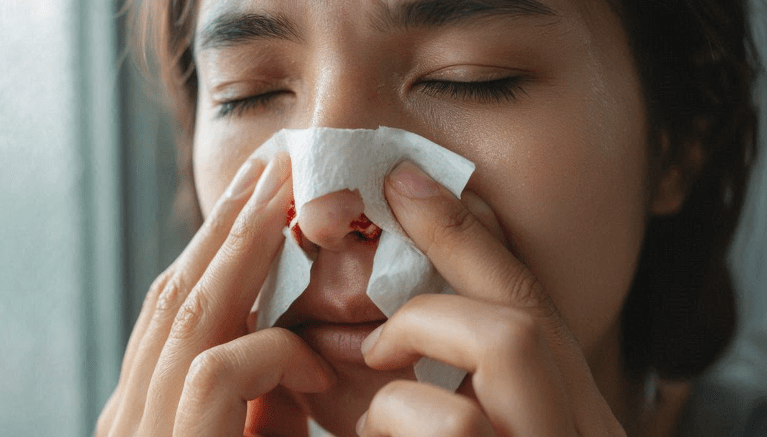
- 👃Nose Bleeding / Hidung Berdarah
- 😣Painful Neck Swelling / Bengkak di leher (Sakit)
- 😣Painless Neck Swelling / Bengkak di leher (Tidak sakit)
- 👄Pantang Larang Tonsil: Do’s & Don’ts Semasa Tonsilitis & Selepas Tonsilektomi
- 👄Persistent Sore Throat / Sakit tekak berpanjangan
- 👃Post-Nasal Drip / Kahak di Tekak
- 👃Runny Nose / Selsema berpanjangan
- 😴Sleep Apnoea / Berhenti bernafas semasa tidur
- 😴Snoring / Dengkur
- 👄Something Stuck in Throat (Globus) / Benda tersekat di tekak
- 👂Tinnitus (Ringing) / Telinga Berdesing
- 😣Tongue Swelling or Lump / Ketumbuhan di lidah
- 😣Torticollis / Leher kejang
- 😣Unilateral Facial Weakness / Muka senget
- 👂Vertigo & Dizziness / Pening berpusing
- 🗣️Hoarseness/ Suara serak
- 🗣️Slurred Speech / Pertuturan tidak jelas
- 🛡️Trusted Malaysian Health Resources
- ❓Frequently asked questions (FAQs)
- ❓Soalan-Soalan Lazim
🎓Blog Posts
Hello and welcome!,
I’m Dr Ameen, an ENT specialist based in Kuala Lumpur, Malaysia
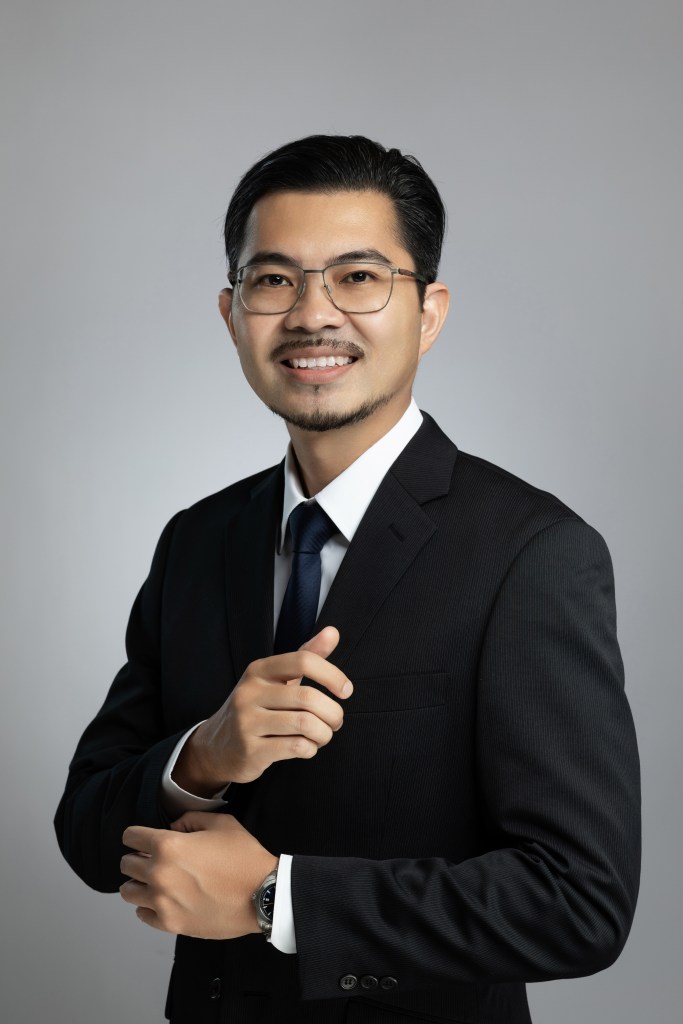
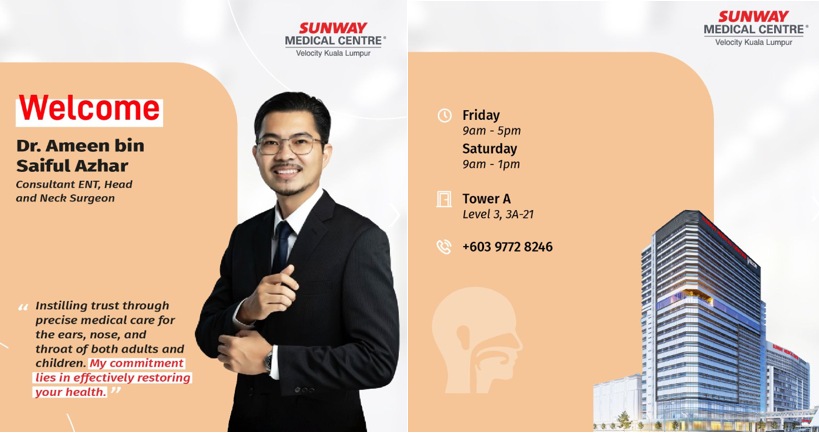
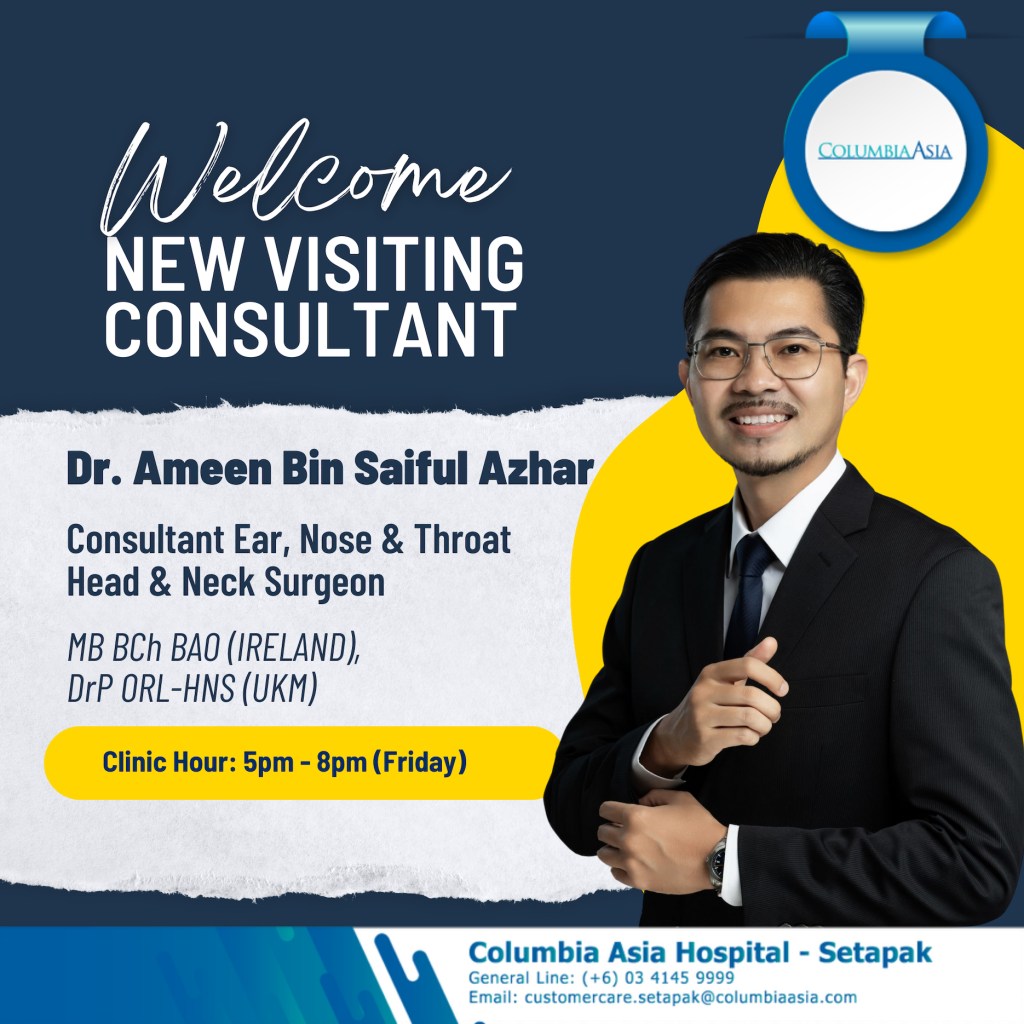
I am passionate about helping people breathe, hear, and live better. After years of experience at Hospital Kuala Lumpur and Tunku Azizah Women and Children Hospital, I now provide specialised care at Sunway Medical Centre Velocity, Columbia Hospital Setapak, and Klinik ANDA Wangsa Melawati. Through this page, I share simple, reliable tips and insights to help you understand and manage common ear, nose, and throat conditions with confidence.
Let’s connect
Join the fun!
Stay updated with our latest tutorials and ideas by joining our newsletter.
MY CLINIC HOURS:
- TUESDAY – 8pm to 10pm (Klinik ANDA Wangsa Melawati)
- FRIDAY – 9am to 5pm (Sunway Medical Centre Velocity)
- FRIDAY – 5pm to 8pm (Columbia Asia Hospital Setapak)
- SATURDAY – 9am to 1pm (Sunway Medical Centre Velocity)


 Dr. Ameen, ENT Specialist in Kuala Lumpur