



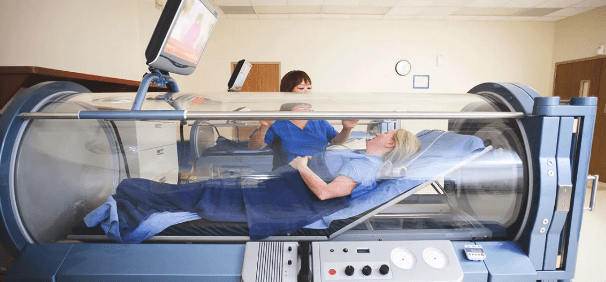
Hyperbaric oxygen therapy (HBOT) is a revolutionary treatment that has gained recognition in the field of Ear, Nose, and Throat (ENT) medicine. This therapy involves exposing the body to 100% pure oxygen at higher atmospheric pressure levels than what we normally experience. In this article, we will explore the benefits and applications of hyperbaric oxygen therapy and how it is reshaping the landscape of ENT treatments.
Understanding Hyperbaric Oxygen Therapy
What is Hyperbaric Oxygen Therapy?
Hyperbaric Oxygen Therapy (HBOT) involves breathing pure oxygen in a pressurized chamber, allowing the lungs to gather more oxygen than normal. This increased oxygen supply stimulates the body’s natural healing processes and promotes overall well-being.
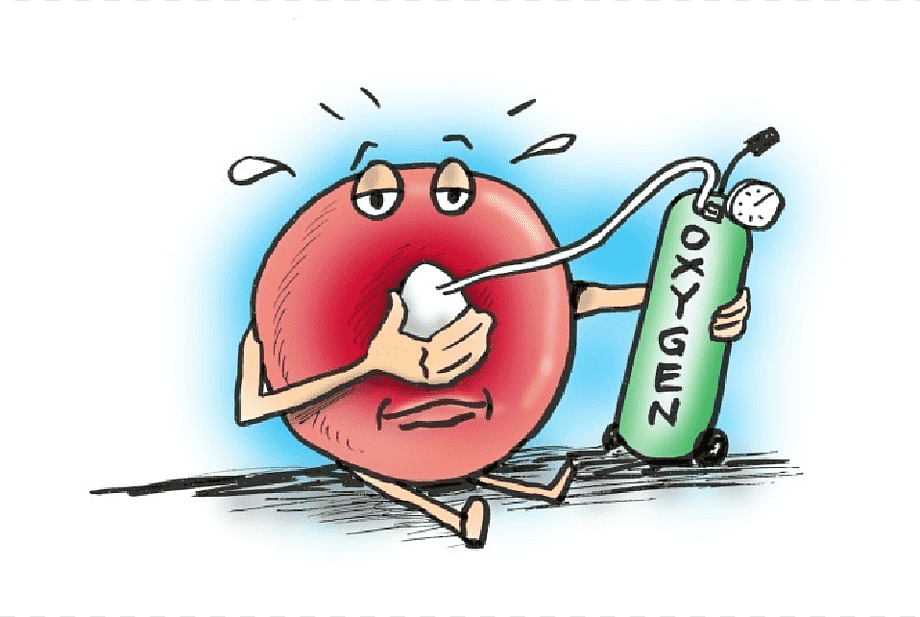
How does Hyperbaric Oxygen Therapy work?
During a hyperbaric oxygen therapy session, the patient enters a specially designed chamber where the atmospheric pressure is increased to up to three times normal. This increased pressure allows the lungs to take in a higher concentration of oxygen, which dissolves into the bloodstream and reaches areas of the body that are difficult to access under normal conditions. The elevated oxygen levels promote healing, reduce inflammation, and enhance the body’s ability to fight infections.

Hyperbaric Oxygen Therapy and ENT Conditions
1-Treating Chronic Sinusitis
Chronic sinusitis is a condition characterized by long-lasting inflammation of the sinus passages. Hyperbaric oxygen therapy has shown promising results in reducing the symptoms associated with chronic sinusitis. By increasing oxygen levels in the sinuses, this therapy helps alleviate inflammation, promotes tissue regeneration, and enhances the body’s immune response.

2-Healing Ear Infections
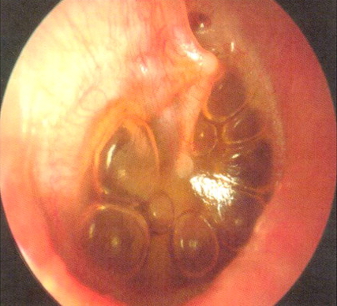
Ear infections can cause significant discomfort and disrupt daily life. Hyperbaric oxygen therapy (HBOT) has emerged as a promising treatment for various types of ear infections. Whether it’s acute otitis media (middle ear infection) or chronic otitis media with effusion (fluid buildup in the middle ear), HBOT offers potential benefits.
During an ear infection, the middle ear becomes inflamed and may accumulate fluid, leading to pain, pressure, and potential hearing loss. Traditional treatment methods often involve antibiotics and pain relievers. However, in some cases, particularly when infections are recurrent or resistant to antibiotics, additional interventions may be necessary.
Hyperbaric oxygen therapy aids in the healing of ear infections by leveraging the power of oxygen at increased atmospheric pressure. The therapy involves the patient entering a specialized chamber where they breathe 100% pure oxygen. The pressurized environment allows the oxygen to dissolve more effectively in the bloodstream, increasing its delivery to the affected areas.
By providing a rich oxygen supply to the inflamed tissues, HBOT promotes the body’s natural healing processes. Oxygen is essential for cellular metabolism and the repair of damaged tissues. It enhances the immune response, accelerates tissue regeneration, and helps combat bacterial growth.
The duration and frequency of hyperbaric oxygen therapy sessions for ear infections depend on the severity and individual response to treatment. Your healthcare provider will determine the appropriate treatment plan tailored to your specific needs.
It’s important to note that hyperbaric oxygen therapy is typically used as an adjunct treatment alongside standard medical care for ear infections. It should be administered under the supervision of trained medical professionals who specialize in hyperbaric medicine.
3-Managing Tinnitus
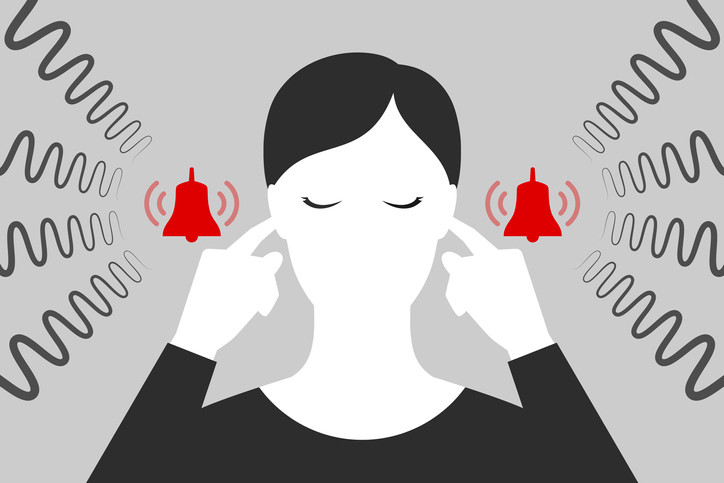
Tinnitus, a condition characterized by the sensation of ringing or buzzing noises in the ears, can be an unsettling and bothersome ailment. Hyperbaric oxygen therapy has demonstrated positive outcomes in managing tinnitus symptoms. By increasing oxygen supply to the damaged cells in the auditory system, this therapy aids in reducing the intensity and frequency of tinnitus sounds.
4-Enhancing Wound Healing
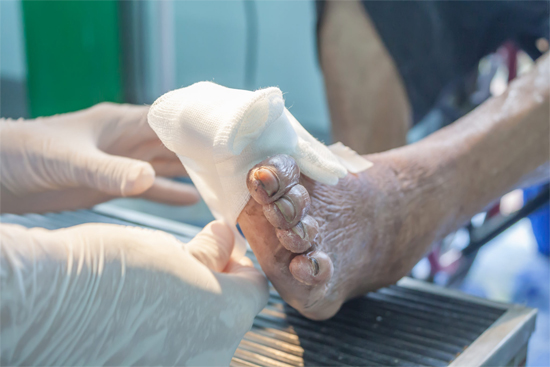
Hyperbaric oxygen therapy has been extensively used in wound care, particularly for non-healing wounds or wounds that are slow to heal. By improving oxygenation to the affected tissues, this therapy promotes angiogenesis, enhances collagen production, and accelerates the wound healing process. It has proven beneficial for diabetic foot ulcers, radiation injuries, and other challenging wound conditions.
5-Treating Necrotizing Otitis Externa
Necrotizing otitis externa is a severe and potentially life-threatening infection that affects the external ear canal, primarily targeting individuals with weakened immune systems or underlying health conditions. This condition typically arises when an outer ear infection, commonly known as swimmer’s ear, goes untreated or becomes complicated.
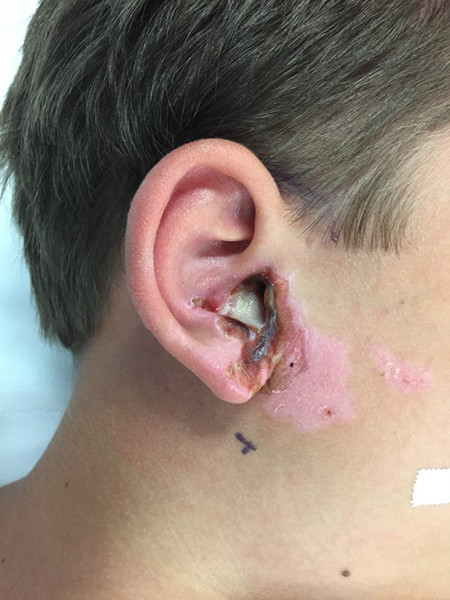
Hyperbaric oxygen therapy has demonstrated promising results in the management of necrotizing otitis externa. This therapy complements the standard treatment approach, which often involves a combination of antibiotics and surgical intervention.
HBOT provides several mechanisms that aid in combating the infection and promoting healing. By delivering high levels of oxygen to the infected tissues, it helps fight off the causative bacteria, usually Pseudomonas aeruginosa. The elevated oxygen levels create an unfavorable environment for bacterial growth and enhance the body’s immune response.

Furthermore, hyperbaric oxygen therapy improves tissue oxygenation, which is crucial for healing and preventing the progression of the infection. The therapy supports angiogenesis, the formation of new blood vessels, thereby increasing blood supply to the affected area. This facilitates the delivery of essential nutrients and immune cells to the site of infection, promoting tissue repair and combating the spread of the disease.
HBOT also helps reduce inflammation, a common characteristic of necrotizing otitis externa. By modulating the inflammatory response, it minimizes tissue damage, relieves pain, and accelerates the healing process. The therapy supports the body’s natural defense mechanisms, assisting in the resolution of the infection and preventing complications.
In the treatment of necrotizing otitis externa, hyperbaric oxygen therapy is typically administered as part of a comprehensive treatment plan. It is crucial to work closely with a multidisciplinary team, including ENT specialists, infectious disease specialists, and hyperbaric medicine experts, to ensure appropriate management of the condition.
The specific protocol for hyperbaric oxygen therapy sessions and the duration of treatment will be determined based on the severity of the infection, individual response, and overall health status. Your healthcare team will closely monitor your progress, conduct regular evaluations, and make any necessary adjustments to optimize treatment outcomes.
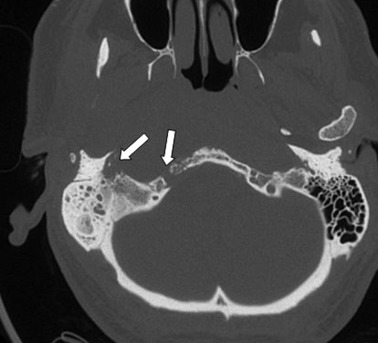
At Hospital Kuala Lumpur, our team will refer these patients to Hospital Angkatan Tentera Tuanku Mizan for HBOT. Typically, patients require 30 sessions per treatment. Post HBOT, a repeat HRCT temporal will be conducted to reassess disease progression.

The Mechanism behind Hyperbaric Oxygen Therapy
1-Increased Oxygen Delivery
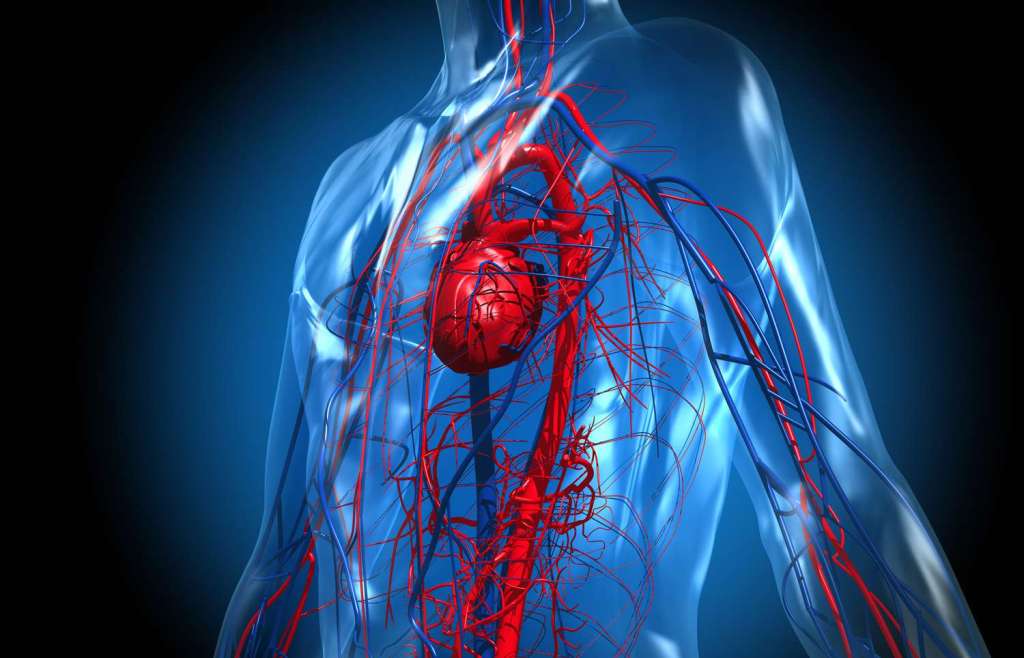
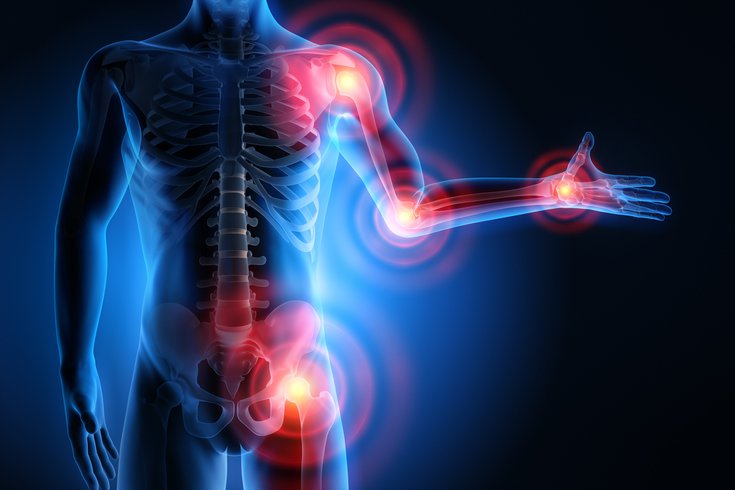
The pressurized environment of hyperbaric oxygen therapy enables the lungs to intake a higher concentration of oxygen. This excess oxygen dissolves into the bloodstream and reaches all parts of the body, even those with compromised blood flow. The increased oxygen delivery stimulates cellular metabolism, aiding in tissue repair and regeneration.
2-Reduced Inflammation
Hyperbaric oxygen therapy has anti-inflammatory effects on the body. The increased oxygen levels help suppress inflammatory processes, reduce swelling, and minimize tissue damage. By modulating the immune response, this therapy supports the body’s healing mechanisms.
3-Promoting Neovascularization
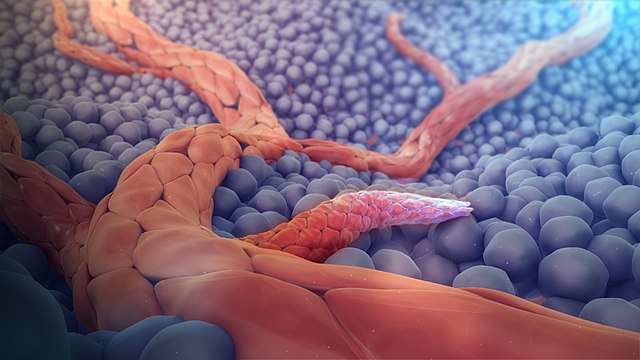
Neovascularization, the formation of new blood vessels, is crucial for tissue repair. Hyperbaric oxygen therapy promotes neovascularization by stimulating the growth of new capillaries in injured or compromised tissues. These new blood vessels improve oxygen supply to the affected areas, aiding in the healing process.
The Procedure and Benefits of Hyperbaric Oxygen Therapy
1-Hyperbaric Oxygen Therapy Procedure
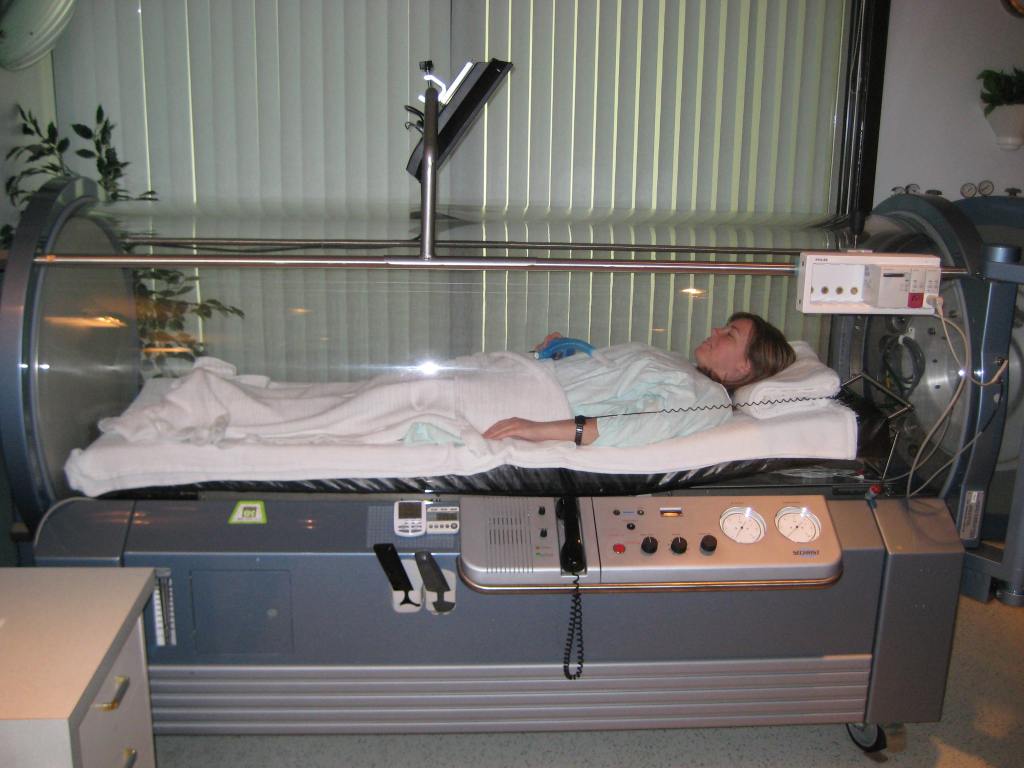
Hyperbaric oxygen therapy is administered in specialized chambers under the supervision of trained medical professionals. The patient enters the chamber and breathes pure oxygen while the pressure inside is increased gradually. The therapy sessions typically last for 60 to 90 minutes, and the number of sessions required depends on the condition being treated.
2-Benefits of Hyperbaric Oxygen Therapy
Hyperbaric oxygen therapy offers a range of benefits for ENT conditions and beyond. Some key advantages include accelerated wound healing, reduced inflammation, improved tissue oxygenation, enhanced immune response, pain relief, and potential neurological benefits. It is a safe and non-invasive treatment option with minimal side effects.

Safety and Precautions
1-Hyperbaric Oxygen Therapy Safety
In general, when properly administered by skilled practitioners, hyperbaric oxygen therapy is widely regarded as a safe treatment option. However, there are some precautions and contraindications to be aware of. These include certain lung conditions, untreated pneumothorax, certain types of chemotherapy, seizure disorders, and pregnancy. It is essential to consult with a healthcare provider to determine the suitability of this therapy for individual cases.

2-Precautions and Considerations
During hyperbaric oxygen therapy sessions, patients may experience mild discomfort such as ear popping or sinus pressure changes. These sensations can be managed by equalizing the pressure within the ears through specific techniques. Additionally, the pressurized environment may pose risks for individuals with certain medical devices, such as pacemakers or cochlear implants. Consultation with a healthcare professional is vital to ensure the therapy is safe and appropriate.

Hyperbaric Oxygen Therapy and Future Innovations
1-Research and Advancements
Ongoing research in the field of hyperbaric oxygen therapy continues to explore new applications and refine treatment protocols. Researchers are investigating its potential in neurological conditions, neurorehabilitation, sports medicine, and anti-aging therapies. The future holds promise for further advancements in this field.

2-Potential New Applications
Beyond ENT conditions, hyperbaric oxygen therapy shows potential for various other medical conditions. These include stroke, traumatic brain injuries, multiple sclerosis, fibromyalgia, autism spectrum disorders, and more. As research progresses, we can expect to uncover new ways in which this therapy can improve patient outcomes.

Conclusion
Hyperbaric oxygen therapy is a groundbreaking treatment that offers a range of benefits for ENT conditions and beyond. By harnessing the power of pure oxygen under increased atmospheric pressure, this therapy promotes healing, reduces inflammation, and enhances the body’s natural healing processes. As research and technological advancements continue, hyperbaric oxygen therapy is reshaping the landscape of ENT medicine, providing patients with new possibilities for relief and improved quality of life.
Kindly view the video below to learn more about HBOT 🙂









 Dr. Ameen, ENT Specialist in Kuala Lumpur
Leave a reply to 🤿 Research Update: Hyperbaric Oxygen Therapy (HBOT) for Sudden Hearing Loss (SSNHL) – Dr. Ameen, ENT Specialist Kuala Lumpur Cancel reply